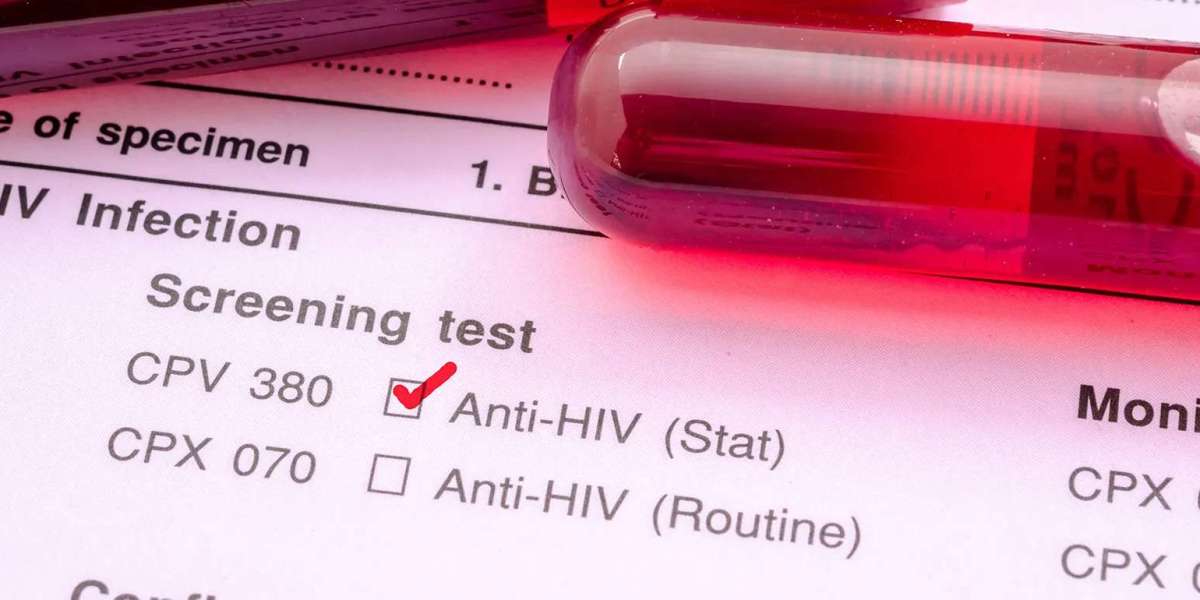

An HIV test helps identify whether there is evidence of HIV infection, but not every HIV test works in exactly the same way. Different testing methods look for different markers and may be used at different stages after a possible exposure. Understanding these differences can help you feel more prepared before making an appointment. A HIV Test in Dubai may involve laboratory blood testing or another approved testing method depending on the patient's circumstances and the healthcare provider's recommendation.
Choosing the appropriate test is not simply about selecting the fastest option. The timing of a possible exposure, the type of test available, previous testing, and individual medical circumstances can all affect which approach is appropriate.
Why Are There Different HIV Testing Methods?
HIV testing has developed significantly over the years. Modern tests are designed to detect evidence of HIV infection with increasing sensitivity, but each method has its own characteristics.
Some tests look for antibodies produced by the immune system. Others can detect both antibodies and an HIV protein called p24 antigen. Certain laboratory methods can also detect HIV genetic material.
Because these tests identify different markers, they may become positive at different points following infection. This is one reason why the timing of testing is important.
Antibody HIV Tests
Antibody tests look for antibodies that the immune system produces in response to HIV infection. They can be performed using different types of specimens depending on the test.
Antibody testing has been used for HIV screening for many years and remains an important part of HIV testing. However, antibodies do not necessarily become detectable immediately after infection.
If someone tests very soon after a possible exposure, an antibody-based test may not detect an infection that is still in its early stages. A healthcare professional can explain whether repeat testing may be appropriate based on the timing.
Antigen and Antibody Tests
Combination antigen/antibody tests are widely used for HIV screening. These tests can look for both HIV antibodies and the p24 antigen.
The p24 antigen can become detectable before antibodies develop fully. Because of this, combination testing may identify some infections earlier than an antibody-only test.
Laboratory-based fourth-generation HIV tests commonly use this approach. The exact performance and testing window depend on the specific test and circumstances.
If you are arranging a HIV Test in Dubai, ask the healthcare provider which test is being used and what its testing window means for your situation.
Nucleic Acid Tests
Nucleic acid tests, often referred to as NATs, look for HIV genetic material rather than antibodies or antigen.
These tests can detect HIV earlier than many antibody-based methods. However, they are not necessarily the first test used for every person seeking routine HIV screening.
A healthcare professional may consider a nucleic acid test in particular situations, such as certain recent exposure scenarios or when other test results require additional evaluation.
The decision depends on the patient's circumstances and clinical guidance.
Rapid HIV Tests
Rapid HIV tests are designed to provide results relatively quickly compared with some laboratory-based testing processes.
Depending on the specific test, a rapid test may use blood from a finger prick or another specimen. The sample is processed using a test designed to provide a result within a relatively short period.
Rapid testing can be useful when timely results are important. However, rapid does not necessarily mean that the test can detect HIV immediately after exposure.
The window period still matters, so a negative rapid test taken too early may require follow-up testing.
Laboratory HIV Testing
Laboratory testing generally involves collecting a sample and sending it through a laboratory testing process. Blood-based laboratory tests can be highly sensitive and are commonly used for HIV screening.
One benefit of laboratory testing is that it can provide detailed processing and, when necessary, support additional testing procedures.
The healthcare provider can tell you how the sample will be collected, how long results may take, and what follow-up steps are recommended if a result is reactive.
The Window Period Matters
One of the most important concepts to understand before HIV testing is the window period.
The window period refers to the time after HIV infection during which a particular test may not yet be able to detect the infection reliably. Different HIV tests have different window periods.
This means that a negative result does not always have the same meaning regardless of when the test was performed.
For example, testing shortly after a possible exposure may not provide the same level of reassurance as testing at the appropriate time for the specific method. If there was a recent exposure, tell the healthcare professional when it happened.
Enfiled STD Clinic and HIV Testing
At Enfiled STD Clinic, people seeking a HIV Test in Dubai can discuss their testing concerns with healthcare professionals and learn about the available testing process.
A consultation can be particularly helpful if you are unsure which HIV test is suitable or if you recently experienced a possible exposure. The provider can consider the timing and explain whether immediate testing, follow-up testing, or another testing approach may be appropriate.
Professional guidance can also help prevent misunderstandings about negative, reactive, or inconclusive results.
Can One HIV Test Detect Every Infection?
No single test should be assumed to detect every infection immediately after exposure.
Different HIV tests have different detection capabilities and timing considerations. This is why healthcare professionals consider the type of test and when it was performed.
If a person tests during an early stage after possible exposure, follow-up testing may sometimes be recommended. The exact schedule depends on the test used and the circumstances.
Following professional advice is more reliable than assuming that one negative result automatically rules out a very recent infection.
What Does a Reactive Result Mean?
Some HIV screening tests report results as reactive rather than immediately confirming an HIV diagnosis.
A reactive screening result means that the test detected something that requires further evaluation. Additional confirmatory testing is used to determine whether HIV infection is actually present.
This distinction is important because screening and diagnostic confirmation are not necessarily the same step.
If you receive a reactive result, speak with the healthcare provider and follow the recommended confirmatory testing process rather than drawing conclusions from the initial screening result alone.
What Does a Negative Result Mean?
A negative HIV test means that the test did not detect evidence of HIV according to the method used at the time of testing.
However, the meaning of a negative result can depend on when the test was performed. If the test was taken during a window period, the healthcare provider may recommend another test later.
Your provider can explain what your result means in relation to the date of any possible exposure and the specific test used.
Should You Choose a Rapid or Laboratory Test?
There is no single testing method that is appropriate for every situation.
A rapid test may be useful when obtaining a result quickly is important. Laboratory testing may be preferred when detailed screening or additional laboratory evaluation is needed.
The most appropriate option depends on the circumstances rather than simply the speed of receiving a result.
If you are uncertain, discuss your situation with a healthcare professional before choosing a test.
HIV Testing After Possible Exposure
If you believe you may have been exposed to HIV recently, do not rely on symptoms to decide whether you should test.
Some people experience flu-like symptoms after early HIV infection, while others have no noticeable symptoms. Similar symptoms can also result from many other illnesses.
Tell the healthcare provider when the possible exposure occurred and what type of exposure was involved. This information can help determine the appropriate testing and follow-up approach.
If the exposure was very recent, ask a healthcare professional promptly about available medical options rather than waiting for symptoms to appear.
Can HIV Testing Be Part of Routine Healthcare?
Yes. HIV testing can be included as part of routine sexual healthcare for people who may benefit from screening.
Regular testing can be particularly relevant when someone has new sexual partners, has concerns about previous exposure, or has been advised by a healthcare professional to undergo screening.
Routine testing can also provide an opportunity to discuss other sexually transmitted infections and safer sexual health practices.
Preparing for Different HIV Tests
Preparation requirements vary depending on the test. HIV testing alone commonly does not require fasting, although additional tests performed during the same appointment may have different requirements.
Before your appointment, ask the testing facility whether you need to follow any specific instructions.
It can also be useful to know the approximate date of a possible exposure and have information about previous HIV testing available. This can help the healthcare provider understand your testing history.
Why Professional Interpretation Matters
An HIV test result should be considered together with the testing method, timing, medical history, and possible exposure.
Searching for information online can help you understand general concepts, but it cannot replace professional interpretation of your individual result.
A healthcare provider can explain what the result means, whether additional testing is appropriate, and what steps may be recommended afterward.
Final Thoughts
Different HIV testing methods are designed to identify different markers of HIV infection. Antibody tests, antigen/antibody tests, nucleic acid tests, rapid tests, and laboratory-based tests each have specific characteristics.
When considering a HIV Test in Dubai, the timing of the test is especially important because different methods have different window periods. A negative result obtained too early may require follow-up, while a reactive screening result generally needs confirmatory evaluation.
Understanding the testing method before your appointment can make the process less confusing and help you have a more informed conversation with your healthcare provider.