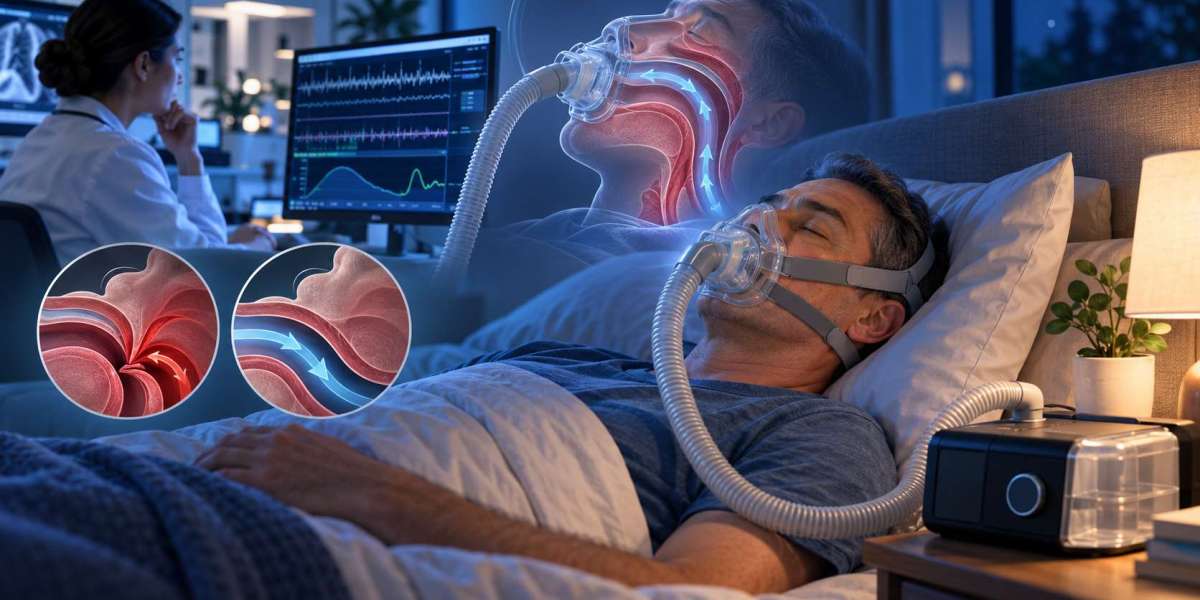

Sleep apnea occurs when breathing repeatedly stops and starts during sleep. Many people may not realize they have this condition because the symptoms appear while they are asleep. Recognizing the warning signs, getting an accurate diagnosis, and choosing the right treatment approach can significantly improve sleep quality and overall well-being.
For individuals experiencing breathing difficulties during sleep, consulting an experienced respiratory specialist such as the best pulmonologist in Lahore can help with proper evaluation and management of sleep-related breathing disorders.
What Is Sleep Apnea?
Sleep apnea is a condition in which normal breathing is interrupted during sleep. These interruptions can happen several times throughout the night, reducing oxygen supply to the body and affecting the quality of rest.
The most common type is Obstructive Sleep Apnea (OSA), which occurs when the muscles in the throat relax excessively during sleep and block the airway. This prevents normal airflow and causes repeated pauses in breathing.
Other types include:
Central Sleep Apnea: This occurs when the brain does not send proper signals to the muscles responsible for breathing.
Complex Sleep Apnea Syndrome: A combination of obstructive and central sleep apnea.
Although sleep apnea can affect people of different ages, certain factors may increase the risk, including obesity, increasing age, family history, smoking, alcohol use, and certain medical conditions.
Common Symptoms of Sleep Apnea
Many symptoms of sleep apnea occur during sleep and may be noticed by a partner or family member. Common signs include:
Loud and frequent snoring
Episodes of stopped breathing during sleep
Waking up suddenly with a choking or gasping sensation
Difficulty staying asleep
Morning headaches
Excessive daytime sleepiness
Difficulty concentrating
Irritability or mood changes
Dry mouth after waking up
Because these symptoms can overlap with other health problems, proper medical assessment is important for accurate diagnosis.
Health Risks Associated With Untreated Sleep Apnea
Ignoring sleep apnea may affect more than just sleep quality. Repeated breathing interruptions can place stress on the cardiovascular system and reduce the body’s oxygen levels.
Untreated sleep apnea may increase the risk of:
High blood pressure
Heart-related problems
Irregular heartbeat
Reduced concentration and memory problems
Increased daytime fatigue
Accidents caused by excessive sleepiness
Early diagnosis and appropriate treatment can help reduce these risks and improve daily functioning.
How Is Sleep Apnea Diagnosed?
Diagnosis begins with a detailed medical consultation. The doctor reviews symptoms, medical history, lifestyle factors, and sleep patterns.
A sleep specialist or pulmonologist may recommend different evaluation methods, including:
Sleep Study (Polysomnography)
A sleep study is one of the most accurate methods for diagnosing sleep apnea. During this test, different body functions are monitored while the patient sleeps, including:
Breathing patterns
Oxygen levels
Heart rate
Brain activity
Body movements
This information helps determine whether sleep apnea is present and how severe it is.
Home Sleep Apnea Testing
In some cases, a doctor may recommend a home-based sleep test. This allows monitoring of breathing and oxygen levels while sleeping in a familiar environment.
Physical Examination
The doctor may examine the airway, throat, and other factors that could contribute to breathing problems during sleep.
Treatment Options for Sleep Apnea
Treatment depends on the type and severity of sleep apnea, as well as the patient’s overall health condition. A personalized treatment plan can help restore normal breathing and improve sleep quality.
Lifestyle Changes
For mild cases, lifestyle improvements may help reduce symptoms. These may include:
Maintaining a healthy weight
Regular physical activity
Avoiding smoking
Limiting alcohol intake
Developing healthy sleep habits
Sleeping in a suitable position
Weight management can be particularly helpful because excess weight may contribute to airway narrowing.
CPAP Therapy
Continuous Positive Airway Pressure (CPAP) therapy is one of the most commonly used treatments for obstructive sleep apnea.
A CPAP machine provides a continuous flow of air through a mask worn during sleep. This air pressure helps keep the airway open and prevents breathing interruptions.
Many patients experience improved sleep quality, better daytime energy, and reduced symptoms after using CPAP regularly.
Oral Appliances
Some patients may benefit from specially designed oral devices that help position the jaw or tongue to keep the airway open during sleep.
These devices are usually considered for selected cases, especially mild to moderate obstructive sleep apnea.
Surgical Options
In certain situations, surgery may be considered when structural problems contribute to airway blockage. The recommended procedure depends on the individual’s condition and medical evaluation.
Importance of Consulting a Pulmonologist
Sleep apnea is closely related to respiratory health, which makes evaluation by a qualified pulmonologist important. A specialist can identify the cause of breathing interruptions, recommend appropriate testing, and guide patients toward effective treatment options.
For people looking for the best pulmonologist in Lahore, choosing a specialist with experience in respiratory conditions and sleep-related breathing disorders can help ensure proper diagnosis and personalized care.
Expert Respiratory Care in Lahore
Patients experiencing symptoms such as persistent snoring, breathing pauses during sleep, or excessive daytime tiredness should consider professional medical advice instead of ignoring these signs.
Dr. Yasir Nasir Pulmonologist in Lahore provides respiratory consultations and guidance for patients dealing with breathing-related health concerns.
Dr. Yasir Nasir Pulmonologist in Lahore
Phone: 0333 4976126
Address: 7, Block M Phase 2 Johar Town, Lahore, Punjab 54782
Final Thoughts
Sleep apnea is a manageable condition when diagnosed at the right time. Understanding the symptoms, undergoing proper evaluation, and following an appropriate treatment plan can help patients achieve healthier sleep and improve their quality of life.
If you or someone close to you experiences loud snoring, breathing interruptions during sleep, or unexplained daytime fatigue, seeking medical guidance is an important step toward better respiratory health.