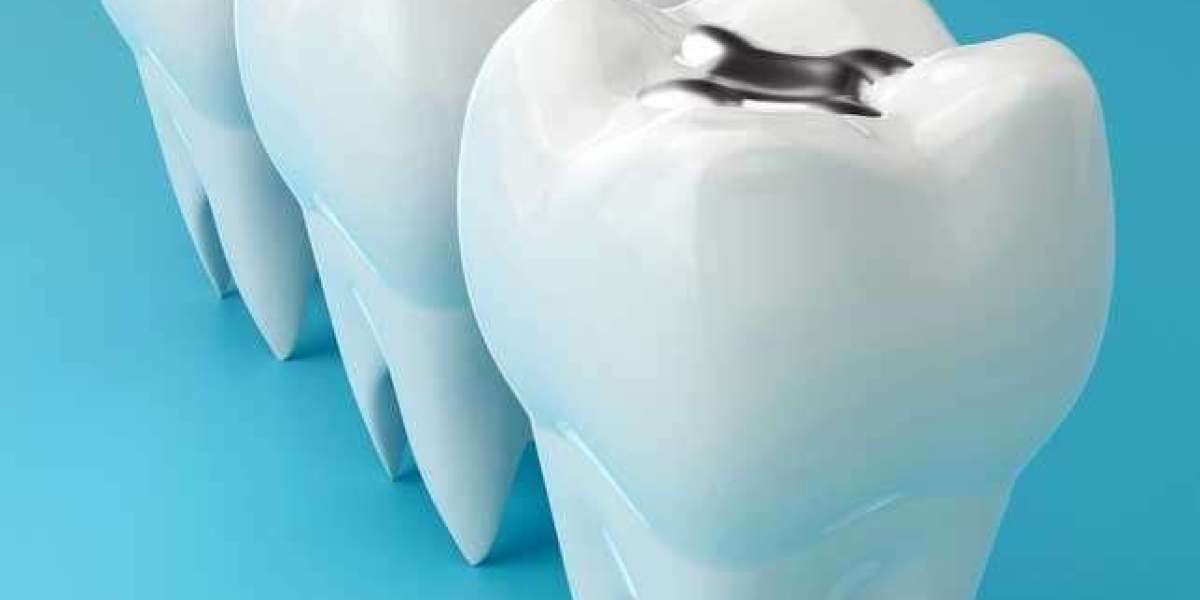

Strong teeth are essential for comfortable eating, clear speech, and a healthy-looking smile. However, tooth decay can gradually weaken the structure of a tooth by removing portions of its hard tissue. When a cavity develops, a teeth filling can help restore the affected area and support the tooth's normal function.
Modern restorative dentistry offers several filling materials and techniques designed to repair damaged teeth while preserving as much healthy natural structure as possible. Timely treatment can be an important part of maintaining the strength and function of a tooth over the long term.
How Tooth Decay Can Weaken a Tooth
Tooth decay develops when bacteria in dental plaque interact with sugars and starches, producing acids that gradually damage the tooth. If this process continues, it can create a cavity.
As the cavity becomes larger, more of the tooth's structure may be lost. This can leave the tooth more vulnerable to further damage and may affect normal chewing.
A dental examination can help identify decay and determine how much of the tooth has been affected.
What Is a Teeth Filling?
A teeth filling is a restorative treatment used to repair a tooth affected by decay or certain forms of minor damage. The dentist removes the damaged material and prepares the remaining tooth before placing a suitable filling material.
Common materials include composite resin, ceramic, glass ionomer, and amalgam. The choice depends on several factors, including the size and location of the cavity, the condition of the tooth, functional requirements, and aesthetic considerations.
The filling replaces missing structure and helps restore the tooth's shape.
How Fillings Support Tooth Strength
A cavity can create a weak point in a tooth. Restoring the missing area can help rebuild its structure and provide support during normal biting and chewing.
A filling does not necessarily make a tooth stronger than its original healthy state. Instead, its purpose is to repair the damage caused by decay and restore the tooth as appropriately as possible.
The amount of remaining healthy tooth structure is an important factor. Larger cavities may require different restorative approaches if a standard filling cannot adequately support the tooth.
When Is a Filling Appropriate?
Fillings are commonly recommended when a cavity has developed and enough healthy tooth structure remains for the restoration to function effectively.
During an examination, the dentist may assess the size and depth of the cavity and examine the surrounding tooth. X-rays may also be used when decay is not fully visible.
If decay has reached the inner part of the tooth or the tooth has suffered extensive structural damage, a filling may not be sufficient. In such cases, the dentist can discuss other treatment options.
What Happens During the Filling Procedure?
The procedure usually begins with an examination and treatment planning. Local anesthesia may be used to numb the affected area and improve comfort during treatment.
The dentist carefully removes the decayed material and cleans the cavity. The selected filling material is then placed into the prepared space.
For composite fillings, the material may be applied in layers and hardened using a curing light. Once the filling has been placed, the dentist shapes and polishes it to restore the natural contours of the tooth.
The bite may also be checked to ensure the restoration feels comfortable when the teeth come together.
Teeth Filling in Islamabad
Patients seeking Teeth filling in Islamabad can start with a professional dental consultation. An examination allows the dentist to determine the extent of tooth decay and whether a filling is suitable for restoring the affected area.
Patients can discuss different filling materials, the expected treatment process, potential sensitivity, and aftercare during their appointment. The dentist can also explain whether additional restorative treatment may be necessary if the tooth has experienced significant structural loss.
Prompt assessment is particularly useful when there is persistent sensitivity, discomfort, visible damage, or a suspected cavity.
Benefits of Restoring a Damaged Tooth
When a filling is appropriate, restoring a cavity can provide several practical benefits:
Replaces tooth structure lost to decay
Helps restore the tooth's normal shape
Supports chewing and biting function
Helps protect the remaining natural structure
Can improve the appearance of a damaged tooth
May help prevent an untreated cavity from progressing further
The results depend on the condition of the tooth and the patient's oral health.
Caring for a Filled Tooth
A restored tooth still requires regular care. Brush twice daily with fluoride toothpaste and clean between your teeth to help control plaque.
Limiting frequent sugary foods and drinks can also support cavity prevention. Good dietary and oral hygiene habits can help protect both filled and untreated teeth.
Regular dental examinations are important because fillings can eventually wear down, chip, or develop problems around their edges. Your dentist can monitor the restoration and recommend maintenance when necessary.
Can a Filling Restore a Severely Damaged Tooth?
Not every damaged tooth can be repaired with a conventional filling. If a cavity is very large or the tooth has lost substantial structural support, a dentist may recommend another type of restoration.
Depending on the circumstances, options may include an inlay, onlay, crown, or root canal treatment. The appropriate choice depends on the extent of damage and the condition of the tooth.
This is why an individual dental examination is important before deciding on treatment.
Supporting Long-Term Tooth Strength
Restoring a cavity is only one part of maintaining strong teeth. Preventive care plays an equally important role.
Consistent brushing and flossing, fluoride exposure, a balanced diet, and regular dental appointments can help reduce the risk of new cavities. Early assessment of dental problems can also help prevent avoidable progression.
By combining restorative treatment with preventive habits, patients can support the long-term health and function of their natural teeth.
Conclusion
Teeth fillings can play an important role in restoring teeth weakened by cavities. By removing decay and replacing lost structure, a filling can help restore tooth shape and support normal chewing and biting.
If you are considering Teeth filling in Islamabad, a professional examination can help determine whether a filling is appropriate for your tooth and which restorative material may be suitable. Maintaining good oral hygiene and attending regular dental checkups can further support the health and durability of your restored tooth.
Frequently Asked Questions
1. Can a teeth filling restore tooth strength?
A filling can replace tooth structure lost because of decay and help restore the tooth's shape and function. It does not make the tooth stronger than healthy natural enamel.
2. When is a filling not enough to restore a tooth?
If a tooth has extensive decay or has lost significant structural support, a dentist may recommend a crown, inlay, onlay, root canal treatment, or another appropriate restoration.
3. Can a filled tooth develop another cavity?
Yes. A filled tooth can develop new decay, including around the restoration. Good oral hygiene and regular dental examinations can help reduce this risk.
4. How can I keep my filled tooth healthy?
Brush twice daily with fluoride toothpaste, clean between your teeth, limit frequent sugary foods and drinks, and attend regular dental checkups so the restoration can be monitored.
For more information visit Enfield royal clinic in islamabad