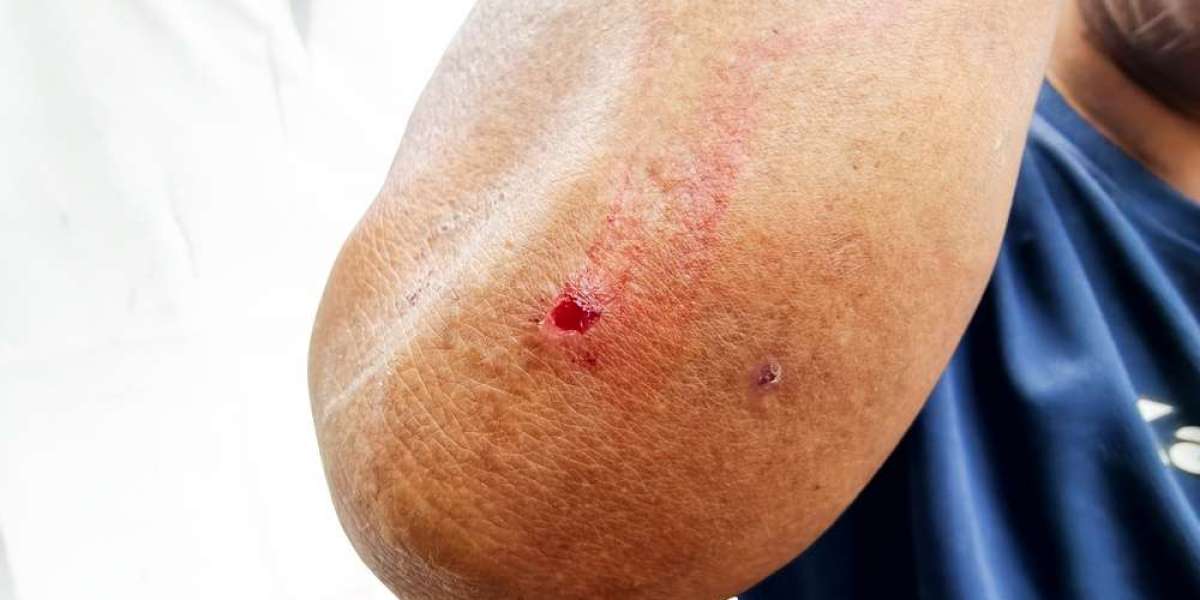

Imagine your skin as a busy city. Normally, skin cells are produced, used, and replaced in an orderly rhythm.
With psoriasis, that traffic signal gets stuck on green: new cells arrive too quickly, creating thick, scaly patches.
Now add another surprising player—body fat. It may look like silent storage, but fat tissue can behave like an active factory, sending inflammatory signals daily.
That is why the relationship between obesity and Plaque psoriasis has become an important area of research. The connection is not simply about appearance, diet, or willpower. Researchers increasingly see both conditions as part of a larger inflammatory picture, with each potentially influencing the other.
So, can excess weight affect your skin? The short answer is yes. But the science is more interesting than a simple “weight causes psoriasis” explanation.
The Connection Goes Both Ways
People living with psoriasis are more likely to have obesity than people without the disease, and the likelihood tends to rise with disease severity. The National Psoriasis Foundation reports that people with psoriasis have a substantially higher likelihood of obesity, while research continues to explore why the relationship is so strong.
At the same time, carrying excess body fat may increase the likelihood of developing psoriasis. This makes the relationship less like a straight line and more like a loop: inflammation can contribute to weight-related metabolic changes, while excess adipose tissue can add to the inflammatory environment.
Importantly, this does not mean everyone with obesity will develop Plaque psoriasis, or that someone with psoriasis has done something wrong. Genetics, immune activity, lifestyle, environment, and many other factors matter.
Why Would Body Fat Affect the Skin?
Fat tissue is not merely an energy reserve. It is metabolically active and can release signaling molecules, including cytokines and hormones such as leptin. When excess adipose tissue is present, these signals can contribute to chronic, low-grade inflammation.
Psoriasis is also driven by an overactive immune response. In simple terms, immune pathways send signals that cause skin cells to grow and turn over much faster than they should. The result is the familiar cycle of redness, scaling, irritation, and thickened patches.
Think of it as two radios broadcasting on the same frequency. Psoriasis is already sending inflammatory signals. Excess adipose tissue may add more background noise. The result can be a body environment in which inflammation is harder to quiet.
More Weight Can Mean More Severe Disease
Research has found an association between higher body mass index (BMI) and greater psoriasis severity. That does not mean BMI can predict exactly how an individual's skin will behave, but it is one piece of the clinical picture.
For some people, more severe Plaque psoriasis can also make daily movement uncomfortable. Painful plaques, itching, fatigue, or joint symptoms may make exercise harder. Emotional distress can affect sleep, activity, and eating habits. That creates another potential cycle: symptoms make healthy routines more difficult, while metabolic factors may make inflammatory disease harder to control.
Could Obesity Affect Treatment?
This is one of the most important findings for patients to know.
A 2025 expert consensus review in the Journal of the American Academy of Dermatology examined evidence from hundreds of publications and concluded that obesity can reduce the effectiveness of some psoriasis therapies, particularly certain biologic treatments. Researchers also found that body weight can influence how long people remain on some therapies.
Medication is distributed and processed throughout the body. Body composition can influence drug exposure, while the inflammatory environment associated with excess adipose tissue may affect treatment response. The effect is not identical for every medication, which is why your dermatologist may consider disease severity, medical history, weight, other conditions, and previous treatment responses when choosing therapy.
What Happens When Weight Comes Down?
Here is the encouraging part: research suggests that even modest weight loss may help.
The American Academy of Dermatology notes that studies of people with psoriasis who were overweight found improvements in skin disease after weight loss. In one clinical trial involving 303 people receiving treatment for long-term Plaque psoriasis, participants who achieved at least 5% weight loss had less psoriasis on their skin.
Other research has reported improvements after structured calorie-reduction programs. These findings do not mean weight loss replaces prescribed treatment. Instead, they suggest that addressing excess weight can become one useful part of a broader plan.
Is Losing Weight a “Cure”?
Weight loss cannot erase Plaque psoriasis, and people can develop the disease at any body size. Saying that skin will clear if someone simply loses weight oversimplifies a complex immune-mediated condition and can create unnecessary guilt.
If you are above a healthy weight for you, gradual weight loss may support skin health, cardiovascular health, blood sugar control, mobility, and overall well-being. It may also improve responses to some treatments. But the right approach should be personal, realistic, and medically appropriate.
What Can You Actually Do?
A balanced eating pattern built around vegetables, fruits, whole grains, lean proteins, nuts, and other nutrient-rich foods can support overall health. Limiting highly processed foods, excess added sugars, and foods high in saturated fat may also be helpful. The National Psoriasis Foundation recommends discussing a weight-loss approach with a healthcare professional rather than relying on restrictive diets.
Movement matters too. Choose activities that fit your abilities. Walking, swimming, cycling, strength training, or gentle mobility work can all be options. If joint pain or psoriatic arthritis makes exercise difficult, ask your healthcare professional for a safer plan.
Most importantly, keep treating Plaque psoriasis itself. Do not stop, start, or change medication because of weight-loss advice you see online.
The Bigger Picture
The research is changing how scientists think about psoriasis. It is no longer viewed as a problem confined to the surface of the skin. It is an immune-mediated disease that can intersect with metabolic health, cardiovascular risk, joint health, and overall inflammation.
For someone living with Plaque psoriasis, that broader view can be empowering. Treatment does not have to focus on one symptom alone. Your dermatologist and primary care clinician can look at the whole picture and identify factors that may be affecting your health.
New research is also examining how weight-loss interventions, including newer medications such as GLP-1 receptor agonists, might influence inflammatory disease alongside metabolic health. These treatments are not automatically appropriate for everyone, but they show how researchers are beginning to approach the two conditions together.
The bottom line is reassuring: excess weight may make psoriasis more likely, more difficult to control, or harder to treat in some people—but it is only one part of the story. If you live with Plaque psoriasis, you do not need to chase a perfect number on a scale. You need a treatment plan that understands your skin, your health, and your life as a whole.