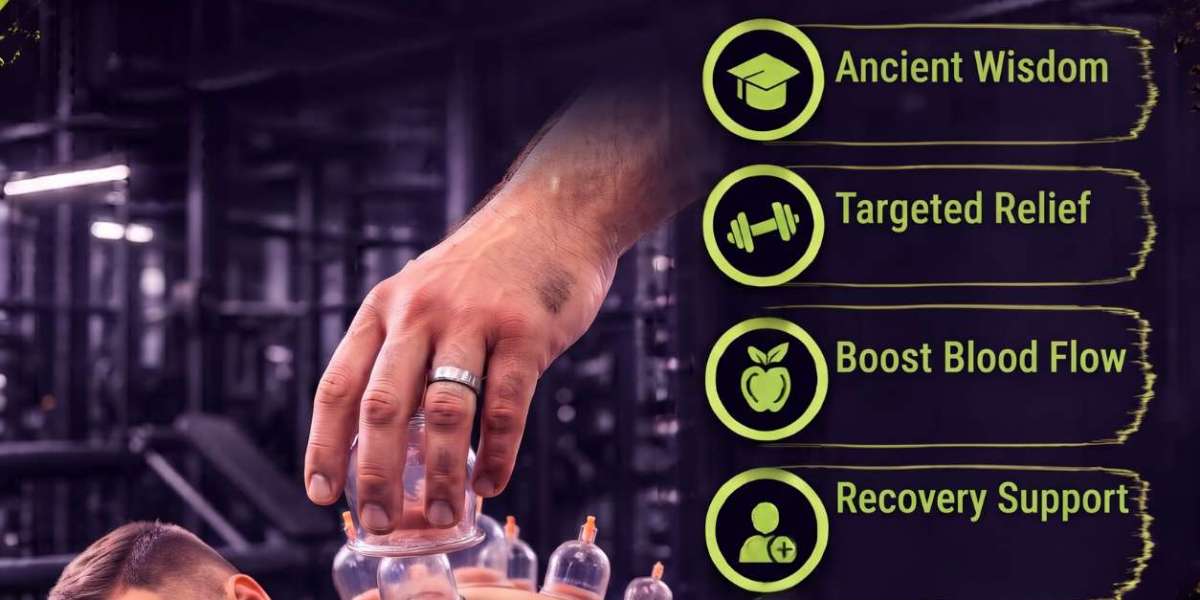

Walk into a sports clinic or wellness centre today and you may notice someone with round, reddish marks across their back. Chances are they just had a session of cupping therapy. Once seen only as a traditional remedy, it is now getting attention from athletes, physiotherapists, and fitness professionals. But what is it really, and where does it fit in modern recovery? This guide explains everything in simple language, so you can understand the benefits, the main types, and the limits before you try it or learn it.
What Is Cupping Therapy?
Cupping therapy is a hands-on technique where cups made of glass, silicone, plastic, or bamboo are placed on the skin. Suction gently lifts the skin and the soft tissue just beneath it. Depending on the goal, the cups may stay in one spot or be moved across the area. The idea is to improve local blood flow, loosen tight muscle and fascia, and ease discomfort. A session usually lasts between 10 and 20 minutes, and most people describe the feeling as a firm pull rather than pain. This is why cupping therapy is often offered alongside massage and stretching.
Where Did This Practice Come From?
Few treatments have a history as long as this one. Versions of cupping appear in ancient Egyptian, Chinese, and Middle Eastern healing traditions, where cups were used for aches, tiredness, and general wellbeing. Over the centuries the method travelled across regions and changed in style. Today it sits between tradition and modern practice, and many therapists blend it with exercise-based care, mobility work, and manual therapy.
Does Cupping Therapy Actually Work?
The honest answer is that it helps many people feel better, but science is still catching up. Some small studies report short-term relief from neck, shoulder, and lower back pain. Others point out that part of the improvement may come from relaxation and the placebo effect. Because the research is mixed, cupping therapy is best seen as a supportive tool, not a cure. It works well next to proper rest, strength training, and professional guidance, rather than in place of them.
Which Cupping Therapy Benefits Are Most Talked About?
People who try it often mention a handful of cupping therapy benefits:
- Relief from muscle tightness and knots
- Better blood flow in the treated area
- Less stiffness and a feeling of easier movement
- Deep relaxation and stress release
- A lighter feeling in tired, heavy muscles
These cupping therapy benefits vary from person to person. Some feel the difference right after a session, while others notice it the next day. Results also depend on the skill of the therapist, the area treated, and how well the session is matched to your needs.
Are There Different Types of Cupping Therapy?
Yes, and knowing the types of cupping therapy helps you choose wisely.
Dry cupping is the most common style. Cups create suction on the skin without any cuts, and they are usually left in place for several minutes.
Moving or gliding cupping uses oil on the skin so the cups can slide across muscles. It feels closer to a massage.
Wet cupping involves tiny skin cuts made before suction is applied. Because it breaks the skin, it needs strict hygiene and should only be done by a trained, licensed professional.
Fire cupping uses a brief flame inside a glass cup to create a vacuum. It is a traditional method that carries a higher risk of burns, so it is best left to experienced practitioners.
Modern pump cups use a small hand pump to control suction, which makes the pressure easier to adjust.
Whichever style you choose, cupping therapy should always be performed by someone trained in safety, hygiene, and skin care.
Can Cupping Massage Be Added to a Session?
Absolutely. Cupping massage blends suction with flowing strokes. The therapist applies oil, places a cup, and glides it slowly along the muscle. Many people compare the feeling to a deep tissue massage in reverse, because the tissue is lifted instead of pressed. It is commonly used on the back, hips, thighs, and calves, and it suits people who find firm manual pressure uncomfortable. A good cupping massage should feel strong but never sharp or painful.
Is Cupping Therapy for Athletes Worth Trying?
Athletes put their muscles through constant stress, so it is no surprise that cupping therapy for athletes has become popular. Runners use it for tight calves and hamstrings. Lifters use it for shoulders, upper back, and quads. Swimmers and cricketers often use it around the neck and shoulder area.
Many trainers now include cupping therapy in their recovery routine, usually on rest days or light training days. It is not a replacement for warm-ups, cool-downs, sleep, or good nutrition. Think of it as one small piece of a bigger recovery plan. Light circular marks may appear after a session, and they usually fade within a few days to a couple of weeks.
How Does Cupping Support Recovery?
Recovery is more than rest. It means helping the body return to normal movement after effort or injury. Here is where cupping therapy can play a helpful role. By easing muscle tension and encouraging relaxation, it may make stretching and mobility drills feel easier. That can help a person move with more comfort during rehabilitation exercises.
It works best when paired with sensible habits: enough sleep, steady hydration, balanced meals, and gradual return to training. At FGIIT, cupping comes under the injury rehabilitation workshop, where learners see how techniques like this fit into a complete recovery plan instead of being used on their own.
Who Should Avoid It?
Cupping therapy is not suitable for everyone. Speak with a doctor first if any of these apply to you:
- You take blood thinners or have a bleeding disorder
- You have sunburn, open wounds, rashes, or a skin infection
- You are pregnant, especially for the abdomen and lower back
- Your skin is very thin or fragile
- You have a serious medical condition or recent surgery
Also avoid applying cups over an acute injury, swollen joint, or area of unexplained pain. When in doubt, ask a qualified professional.
Should You Learn It Professionally?
If you work in fitness, rehabilitation, or sports care, proper training makes a real difference. A trained professional understands skin safety, cup placement, pressure control, hygiene, and when not to treat. These skills build client trust and expand the range of services you can offer. Learning in a structured program also teaches you to combine cupping with exercise and rehabilitation principles, which leads to safer and more complete care.
Frequently Asked Questions
Will it hurt?
Most people feel a tight pulling sensation, not pain. If a session feels sharp or burning, tell your therapist immediately.
Do the circular marks last long?
They are not bruises from impact. They usually fade within a few days, though some people see them for up to two weeks.
Could I train right after a session?
Light activity is usually fine, but many people prefer to avoid intense workouts straight after, and give the skin a little time to settle.
Might one session be enough?
Some people feel relief quickly, while others need a few sessions. Your therapist can guide the plan based on your goals and comfort.
Closing Thoughts
Cupping has travelled from ancient practice to modern recovery rooms, and it continues to attract athletes and fitness lovers. Understanding the cupping therapy benefits, the different types of cupping therapy, and the role of cupping massage helps you use it with realistic expectations. It is a supportive tool, not a miracle. Used safely, by trained hands, and alongside good training and rest habits, cupping therapy can be a useful part of a smarter recovery routine.