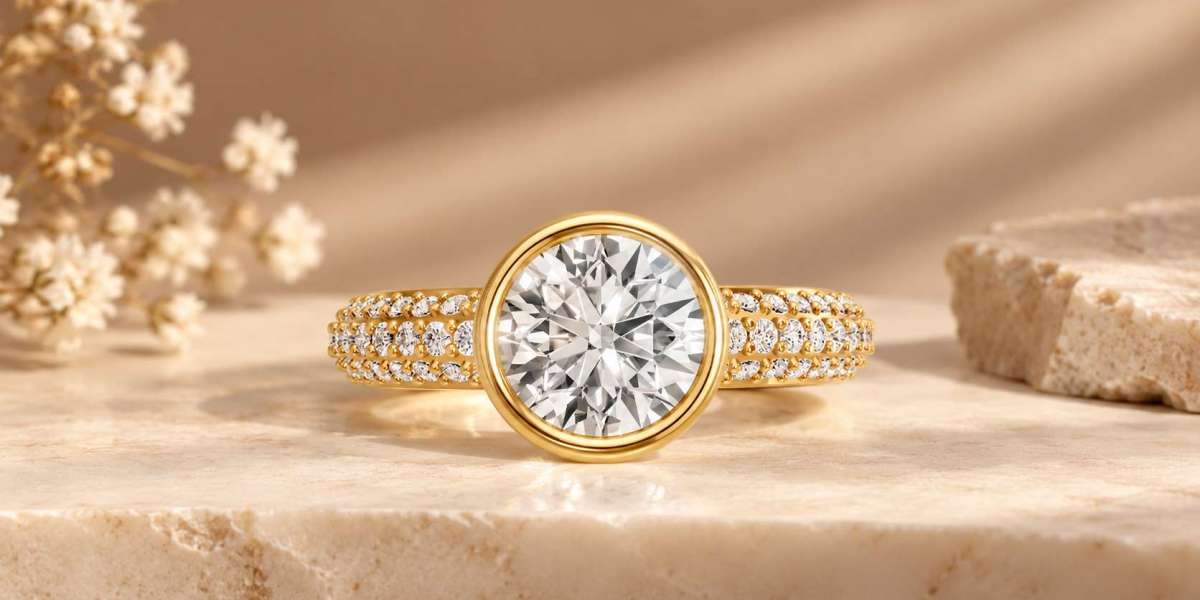

Choosing an engagement ring is about finding a design that feels personal and works well with everyday life. Bezel engagement rings are a popular choice for couples who want a secure setting with a clean outline around the center diamond. The metal rim holds the stone in place while giving the ring a distinctive appearance.
For a proposal, the ring can also become part of the story. Whether you are planning a quiet dinner, an outdoor moment, or a surprise surrounded by family and friends, the ring should suit the person wearing it. From classic solitaires to contemporary lab-grown diamond designs, there are several ways to make a bezel setting part of your proposal.
What Makes a Bezel Setting Different?
A bezel setting surrounds the outer edge of a diamond with a thin metal frame. Unlike prong settings, where small metal claws hold the stone at several points, a bezel creates a continuous border around the diamond.
This design offers practical benefits for people who use their hands frequently. The smooth metal edge has fewer raised parts that can catch on clothing or other materials. It also provides additional protection around the diamond's girdle.
The appearance can vary depending on the diamond shape, metal color, and width of the surrounding frame. A slim bezel can create a delicate profile, while a wider frame gives the center stone more visual definition.
1. Classic Bezel Solitaire
A solitaire is one of the easiest styles to personalize. It places the main diamond at the center without additional side stones competing for attention.
A bezel solitaire can work particularly well for someone who prefers simple jewelry. Round, oval, pear, emerald, and other diamond shapes can be used with this type of setting.
If your proposal style is simple and intimate, a solitaire ring can complement the moment without feeling overly elaborate.
2. Oval Bezel Diamond Ring
Oval diamonds have an elongated shape that can give the finger a longer visual line. When paired with a bezel setting, the result is a smooth combination of curved edges and a defined metal border.
An oval center can be set horizontally or vertically depending on the desired appearance. A traditional vertical orientation creates a familiar engagement-ring profile, while an east-west orientation gives the design a different character.
For someone who enjoys jewelry with a less expected layout, an oval bezel ring can be worth considering.
3. Bezel Set Rings With a Slim Band
The band can change the overall appearance of the ring just as much as the center stone. A slim band keeps attention on the diamond, while a wider band gives the ring a stronger presence.
When choosing bezel set engagement rings, consider how the band width relates to the center stone. A very large diamond paired with an extremely thin band may create a different visual balance than a medium center with a slightly wider band.
You can also consider plain metal, textured finishes, or small accent details depending on the wearer's personal taste.
4. Bezel Diamond Ring With Side Stones
A center diamond does not have to stand alone. Small side stones can be added along the shoulders of the band to create additional detail.
A bezel diamond engagement ring with side stones can be a good choice for someone who likes a little more detail but still wants the center stone to remain the main feature.
Side stones may be round, baguette, pear, or other shapes. Their arrangement can make the ring look traditional, geometric, or more distinctive.
5. East-West Bezel Setting
An east-west setting places an elongated diamond horizontally across the finger rather than vertically.
This layout works with shapes such as oval, emerald, marquise, and radiant diamonds. Combined with a bezel, the horizontal diamond can create a strong visual line across the ring.
It is an option for someone who enjoys unusual proportions and wants a ring that differs from the standard vertical center-stone arrangement.
6. Unique Bezel Engagement Rings
Personal details can make an engagement ring feel more connected to the person receiving it. Consider a less common diamond shape, a two-tone band, a special engraving, or an unusual orientation.
Unique bezel engagement rings can also incorporate different metal colors. Yellow gold, white gold, rose gold, and combinations of metals each create a different appearance around the diamond.
Before choosing a distinctive design, think about whether the person normally wears simple jewelry, statement pieces, warm-toned metals, or cool-toned metals. Existing jewelry can provide useful clues.
7. Bezel Solitaire With a Plain Band
For a clean and practical ring, pair a bezel solitaire with a plain band. This combination keeps the design focused on the center stone.
It can also make future jewelry pairing easier. A simple band may sit comfortably beside a wedding band, although the exact fit depends on the shape and height of the engagement ring.
If you already know that the recipient prefers understated jewelry, this combination can be a strong starting point.
8. Lab-Grown Diamond Bezel Ring
Lab-grown diamonds provide another option for couples comparing diamond choices. They have the same basic crystal structure and chemical composition as mined diamonds, while being produced in controlled laboratory environments.
A lab grown bezel engagement ring combines the diamond choice with the protective characteristics of a bezel setting.
When comparing lab-grown diamonds, pay attention to the same factors you would consider for other diamonds, including cut, color, clarity, carat weight, certification, and the proportions of the stone.
How to Choose the Right Diamond Shape
The diamond shape can have a major effect on the finished ring. Start by considering the wearer's existing jewelry and personal preferences.
Round: A familiar choice with balanced proportions.
Oval: An elongated shape that creates a longer visual profile.
Emerald: Known for its step-cut appearance and broad, open facets.
Pear: A teardrop shape that can be worn with the point facing toward or away from the hand.
Marquise: A narrow shape with pointed ends that creates a distinctive outline.
Radiant: A rectangular or square outline combined with brilliant-style faceting.
There is no single shape that suits everyone. Looking at examples of different shapes can make it easier to identify the style that feels appropriate.
Choosing the Metal
The metal surrounding the diamond affects the overall appearance of a bezel ring.
Yellow gold has a warm appearance and pairs well with both classic and contemporary designs.
White gold provides a neutral backdrop that keeps attention on the diamond.
Rose gold has a warmer pink tone and can give the ring a softer color contrast.
Two-tone designs combine different metals and can be useful when the wearer regularly mixes jewelry colors.
Consider the recipient's current jewelry collection before making the final choice. If most of their rings, necklaces, and bracelets use one metal color, matching that preference can make the engagement ring easier to wear with existing pieces.
Match the Ring to the Proposal
The proposal itself can provide inspiration for the ring style.
For a private proposal at home, a simple bezel solitaire may fit the atmosphere. For an outdoor proposal, a secure setting can be practical for someone who enjoys an active lifestyle.
If you are planning a formal dinner or celebration, a ring with side stones may complement the occasion. For a low-key proposal, a plain-band bezel design can keep the focus on the moment rather than the amount of detail in the jewelry.
The most important consideration is the person receiving the ring. Think about the clothes they wear, their jewelry habits, their work, and whether they prefer classic or less conventional designs.
What to Check Before Buying
Before purchasing the ring, review the diamond specifications and setting details carefully.
Check the diamond's certification when applicable and compare the stone's carat weight, measurements, color, clarity, and cut characteristics. For a bezel setting, also look at how the metal frame surrounds the stone.
The ring size is another important detail. If you want to keep the proposal a surprise, you can discreetly check the size of a ring they already wear on the intended finger or ask someone close to them for help.
Also consider the wedding band. Some engagement rings have a raised profile that allows another band to sit alongside them, while others may require a shaped or curved wedding band.
Finding a Ring That Fits the Story
An engagement ring does more than hold a diamond. It becomes part of an important personal milestone, so the design should reflect the person who will wear it.
You can explore bezel engagement rings in different diamond shapes, metals, band styles, and setting arrangements before deciding which design fits your proposal. Antiquecut offers options for shoppers comparing bezel-based engagement ring styles, including designs featuring lab-grown diamonds.
Take your time comparing proportions rather than focusing only on carat weight. A well-balanced ring can look attractive because the diamond, setting, and band work together.
Final Thoughts
A bezel diamond engagement ring can be a practical and distinctive choice for a proposal. The enclosed setting gives the diamond a defined outline while helping protect its edges during everyday wear.
Whether you choose a classic solitaire, an oval center, an east-west arrangement, side stones, or a lab-grown diamond, start with the recipient's personal style. The best ring for the proposal is one that feels like something they would naturally choose for themselves.
With the right diamond shape, metal, band profile, and setting, a bezel ring can become a meaningful piece of jewelry that carries the memory of the proposal long after the question has been answered.