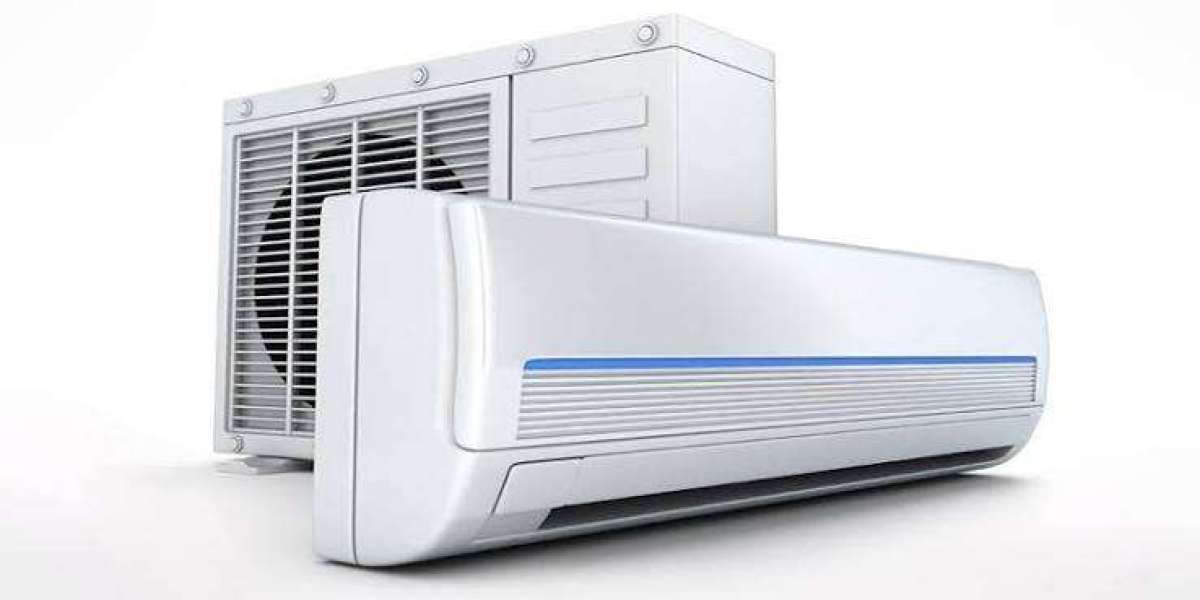

An air conditioner may appear to be a simple appliance that produces cool air, but its operation depends on a carefully designed refrigeration cycle. Understanding how an AC works can help users appreciate the technology behind everyday cooling and recognize why proper maintenance is important.
The cooling process begins when warm indoor air is drawn into the air conditioner's indoor unit. A fan moves this air across a cold component called the evaporator coil. Inside the coil, refrigerant absorbs heat from the indoor air. As the heat is removed, the air becomes cooler before being circulated back into the room.
The refrigerant plays a central role in this process. It is a substance capable of absorbing and releasing heat as it changes pressure and state within the system. After absorbing heat from indoor air, the refrigerant moves toward the outdoor unit.
The compressor is one of the most important components of an AC. Located in the outdoor unit, it compresses the refrigerant and increases its pressure and temperature. The refrigerant then moves through the condenser coil, where the heat it collected indoors is released into the outdoor environment.
As the refrigerant releases heat, it changes into a form that can continue through the cooling cycle. It then passes through an expansion device, which reduces its pressure. This prepares the refrigerant to absorb heat again when it returns to the indoor evaporator coil.
The cycle continues as long as cooling is required. A thermostat or electronic control system monitors the indoor temperature and signals the AC when additional cooling is needed. Inverter air conditioners use variable-speed compressor technology to adjust cooling output more continuously according to demand.
Besides cooling, many air conditioners also reduce indoor humidity. When warm, humid air passes over the cold evaporator coil, moisture can condense on the coil's surface. This moisture is collected and drained away, helping make indoor air feel more comfortable.
Air filters are another important part of the system. They capture dust and other airborne particles before air passes through the indoor components. Clean filters support good airflow and help the AC operate efficiently.
The outdoor unit is responsible for releasing the heat removed from the room. This is why the area surrounding an outdoor AC unit can feel warmer while the system is operating. Proper ventilation around the outdoor unit is important for effective heat transfer.
An air conditioner therefore does not simply create cold air. Instead, it transfers heat from one location to another using a combination of refrigerant, compressor, coils, fans, and controls.
Understanding this process highlights why regular maintenance matters. Dirty filters, blocked coils, restricted airflow, or mechanical problems can interfere with the cooling cycle. Proper installation and servicing help the system perform as designed.
From a simple user perspective, an AC provides comfort at the press of a button. Behind that convenience, however, is a sophisticated process of heat transfer that allows modern air conditioning systems to keep indoor spaces comfortable during hot weather.
https://blessingjourney.com/how-digital-entertainment/
https://fashionsquill.com/the-rise-of-digital-entertainment/