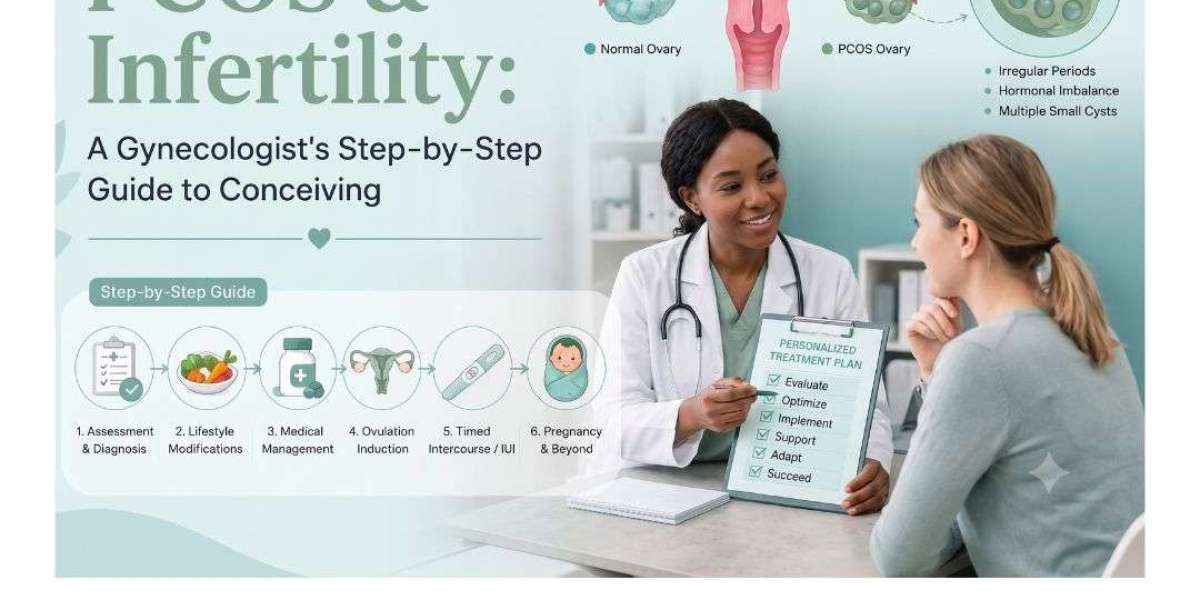

Irregular periods, acne, unwanted hair growth, weight changes, pelvic discomfort, and other hormonal symptoms can be difficult to discuss, especially when you are not comfortable visiting a clinic immediately. Online consultations can provide a convenient way to begin a conversation with a qualified gynecologist from a private and familiar setting. If you are wondering, can I consult gynecologist online for pcos, the answer is often yes for discussing symptoms, understanding possible causes, reviewing available reports, and deciding whether further evaluation is needed.
PCOS, or polycystic ovary syndrome, is one possible reason for irregular menstrual cycles and hormonal symptoms, but it is not the only explanation. Stress, thyroid disorders, changes in body weight, certain medications, pregnancy, excessive exercise, and other health conditions can also affect periods. An online gynecological consultation can help you organize your concerns and understand what steps may be appropriate.
Why Irregular Periods Should Not Be Ignored
Menstrual cycles can naturally vary, particularly during adolescence, after pregnancy, during perimenopause, or following major lifestyle changes. However, persistent or significant changes deserve attention.
Irregular periods may include:
Periods occurring much earlier or later than expected
Skipping periods for several months
Very heavy menstrual bleeding
Extremely light periods
Bleeding between periods
Periods that last unusually long
Significant changes from your usual cycle pattern
The cause may be temporary, but recurring irregularity can sometimes indicate an underlying hormonal or reproductive health issue.
Is PCOS a Possible Cause of Irregular Periods?
PCOS is a common hormonal condition that can affect ovulation and menstrual regularity. Some people with PCOS experience infrequent periods, while others may have unpredictable bleeding.
Other symptoms can include:
Acne or oily skin
Increased facial or body hair
Hair thinning on the scalp
Difficulty managing weight
Darkened skin in certain areas
Fertility difficulties
Changes associated with insulin resistance
Having one or more of these symptoms does not automatically mean you have PCOS. A gynecologist may consider your medical history, menstrual pattern, symptoms, physical findings, and relevant investigations before determining what may be happening.
How to Prepare Before Your Online Gynecology Appointment
Good preparation can make an online appointment more useful. You do not need to prepare a complicated medical presentation. A few basic details can help the gynecologist understand your situation.
Before the consultation, note:
1. Your Recent Period Dates
Write down the first day of your most recent periods. If possible, review the previous three to six cycles.
You can mention:
Average cycle length
Number of days of bleeding
Whether periods are regular
Any skipped periods
Changes in bleeding amount
Spotting between periods
2. Your Main Symptoms
Make a short list of symptoms that concern you. Include symptoms that may seem unrelated if they started around the same time.
For example, mention changes in:
Skin
Hair growth
Hair loss
Weight
Energy levels
Mood
Pelvic discomfort
Vaginal discharge
Menstrual bleeding
3. Your Medical History
Tell the gynecologist about previous diagnoses, surgeries, pregnancies, miscarriages, allergies, and medications when relevant.
If you are already taking hormonal medication, contraceptives, supplements, or other medicines, mention them clearly.
4. Your Previous Reports
If you have previous blood tests, ultrasound reports, thyroid tests, hormone investigations, or other relevant medical documents, keep them available.
A doctor may review these during the consultation and explain whether additional tests may be useful.
How to Talk About Sensitive Symptoms Comfortably
Many people hesitate to discuss intimate symptoms because they feel embarrassed or worried about being judged. Remember that gynecologists routinely discuss menstrual, hormonal, reproductive, and sexual health concerns.
You can start with a simple statement such as:
“I have been experiencing changes in my periods and some hormonal symptoms, and I would like to understand what might be causing them.”
You can then describe your symptoms in your own words.
You do not need to use complicated medical terminology. Clear and honest information is more helpful than trying to describe symptoms using technical terms.
How to Talk to a Gynecologist Online Privately
Privacy is particularly important when discussing reproductive and sexual health. If you are asking yourself how to talk to gynecologist online privately, start by choosing a quiet and private environment for your appointment.
Before the consultation:
Use a private room whenever possible.
Use headphones if they make you more comfortable.
Keep your medical reports nearby.
Make sure your internet connection is stable.
Write down questions before the appointment.
Avoid discussing highly personal concerns while other people are listening.
You should also feel comfortable telling the gynecologist that you have a sensitive concern. This can help establish the right tone for the consultation.
Questions You Can Ask About PCOS
If PCOS is one of your concerns, prepare specific questions instead of trying to remember everything during the appointment.
You may ask:
Could my irregular periods be related to PCOS?
What other conditions can cause similar symptoms?
Do I need any blood tests?
Would an ultrasound be useful?
How is PCOS usually evaluated?
What lifestyle factors may affect my symptoms?
Could my current medication affect my menstrual cycle?
When should I schedule a follow-up?
Would I need an in-person examination?
These questions can help you understand the evaluation process without assuming that PCOS is already the diagnosis.
Discussing Hormonal Symptoms With a Gynecologist
Hormonal symptoms can be difficult to describe because they may develop gradually. Try to explain when you first noticed the change and whether it has become more frequent or severe.
For example, instead of saying “my hormones are not balanced,” you might explain:
“I have had irregular periods for the last six months, and during the same period I have noticed increased facial hair and acne.”
Specific information gives the gynecologist a clearer picture.
What Happens During an Online Gynecologist Consultation?
An online consultation usually begins with questions about your symptoms and medical history.
Depending on your concerns, the gynecologist may ask about:
Menstrual history
Pregnancy possibility
Previous gynecological conditions
Current medicines
Family medical history
Weight or recent weight changes
Lifestyle factors
Sexual and reproductive health
Previous test results
The doctor may then discuss possible explanations and recommend appropriate next steps.
An online appointment does not necessarily mean that every concern can be diagnosed or managed remotely. Some situations require physical examination, imaging, laboratory testing, or an in-person consultation.
Can an Online Consultation Diagnose PCOS?
PCOS should not be diagnosed solely because someone has irregular periods or acne.
A gynecologist may need to consider several factors before reaching a diagnosis. Depending on the individual situation, the doctor may recommend laboratory tests, ultrasound, or an in-person assessment.
An online appointment can still be useful because it can help you understand:
Whether your symptoms require medical evaluation
Which reports may be relevant
Whether testing may be appropriate
What information to track
Whether an in-person appointment is needed
This can make the next step more organized.
What Information Should You Share About Your Menstrual Cycle?
Your menstrual cycle history is one of the most useful pieces of information during a gynecology consultation.
Consider tracking:
| Information | What to Record |
|---|---|
| Period start date | First day of each period |
| Cycle length | Number of days between periods |
| Bleeding duration | Number of days you bleed |
| Flow | Light, moderate, or heavy |
| Pain | Mild, moderate, or severe |
| Spotting | Whether bleeding occurs between periods |
| Other symptoms | Acne, hair growth, cramps, etc. |
A period-tracking application or simple calendar can make this information easier to collect.
Lifestyle Factors That May Be Relevant
Lifestyle information can also help a gynecologist understand menstrual and hormonal symptoms.
Mention significant changes in:
Sleep
Exercise
Diet
Stress
Body weight
Work schedule
Travel
Medication
Daily activity
For some people, substantial lifestyle changes can affect menstrual cycles. However, lifestyle factors should not automatically be assumed to be the cause. Persistent symptoms deserve appropriate medical assessment.
What If You Feel Embarrassed During the Consultation?
Feeling uncomfortable is normal, particularly if this is your first gynecology appointment.
One useful strategy is to prepare questions in writing. This reduces the chance of forgetting something because of nervousness.
You can also begin with the issue that feels most important.
For example:
“I feel a little uncomfortable discussing this, but I have noticed unusual vaginal discharge for several weeks.”
A qualified gynecologist should be able to approach such concerns professionally and without judgment.
When Online Consultation May Be Convenient
Online gynecology consultation can be particularly convenient when you need:
Initial guidance about symptoms
Discussion of menstrual irregularity
Review of existing reports
Guidance about whether testing may be needed
Follow-up discussions
Advice about questions to ask during an in-person visit
Support when reaching a clinic is difficult
However, convenience should not replace necessary medical evaluation.
When an In-Person Visit May Be Necessary
Some situations cannot be adequately evaluated through an online appointment.
A gynecologist may recommend an in-person visit if you need:
A physical examination
Pelvic examination
Ultrasound
Blood testing
Pregnancy-related assessment
Evaluation of unexplained bleeding
Further investigation of persistent pelvic pain
Following this recommendation is important because certain conditions cannot be assessed accurately without examination or testing.
Symptoms That Need Prompt Medical Attention
Do not rely solely on an online consultation if you are experiencing potentially serious symptoms.
Seek urgent medical care for symptoms such as:
Very heavy bleeding
Severe or sudden pelvic or abdominal pain
Fainting or significant weakness
Heavy bleeding during pregnancy
Severe pain accompanied by dizziness
Difficulty breathing or other serious symptoms
The appropriate level of care depends on the circumstances. When symptoms are severe or rapidly worsening, immediate medical assessment is more appropriate than waiting for a routine online appointment.
How to Make Your Online Consultation More Effective
A few simple habits can improve the quality of your appointment.
Be Honest
Do not hide symptoms because they feel embarrassing. Information about periods, sexual health, contraception, pregnancy possibility, and medications can be medically relevant.
Be Specific
Instead of saying “my period is irregular,” explain how often it occurs and how the pattern has changed.
Ask Questions
If you do not understand a medical term or recommendation, ask the doctor to explain it in simple language.
Keep Your Reports Ready
Having relevant documents available can save time and make the discussion more productive.
Take Notes
Write down recommended tests, follow-up instructions, and warning signs discussed during the appointment.
Common Mistakes to Avoid
Online consultations can become less useful when important information is left out.
Avoid:
Self-diagnosing PCOS based on internet searches
Hiding medications
Forgetting to mention pregnancy possibility
Ignoring persistent symptoms
Assuming every irregular period means PCOS
Starting or stopping medication without medical advice
Delaying urgent care because an online appointment is convenient
The goal of an online consultation is to support informed medical decision-making, not to replace necessary examinations.
How to Choose an Online Gynecologist
When selecting an online gynecology service, consider whether the platform provides access to qualified gynecology professionals and allows you to share relevant medical information securely.
You may also consider:
Doctor qualifications
Consultation format
Availability
Follow-up options
Privacy practices
Ability to share reports
Whether in-person care can be recommended when necessary
Choose a service that makes you comfortable asking questions about sensitive concerns.
Frequently Asked Questions
Can I discuss PCOS symptoms with a gynecologist online?
Yes. You can discuss irregular periods, acne, unwanted hair growth, weight changes, and other symptoms online. The gynecologist may recommend further tests or an in-person evaluation when needed.
Can irregular periods always be treated online?
Not necessarily. Treatment depends on the underlying cause. Some concerns can be discussed and followed up online, while others require examination or diagnostic testing.
Should I have my reports ready?
Yes. If you have previous blood tests, ultrasound reports, or other relevant medical records, keeping them available can make the consultation more informative.
Can I discuss intimate concerns during an online appointment?
Yes. Menstrual, vaginal, sexual, and reproductive health concerns are common reasons for consulting a gynecologist. Sharing accurate information helps the doctor provide appropriate guidance.
Is online gynecological consultation suitable for everyone?
Online consultation can be useful for many non-emergency concerns, but it cannot replace physical examination or urgent care when those are medically necessary.
Final Thoughts
Talking about irregular periods, PCOS, or hormonal symptoms does not have to be uncomfortable or complicated. Preparing your menstrual history, listing your symptoms, keeping previous reports available, and asking direct questions can make an online consultation much easier. If you are looking for an online gynecologist consultation india, an online appointment can be a convenient first step for discussing concerns and understanding whether additional testing or in-person care may be appropriate. The most important thing is to communicate openly, avoid self-diagnosis, and seek timely medical attention when symptoms are persistent, severe, or concerning.