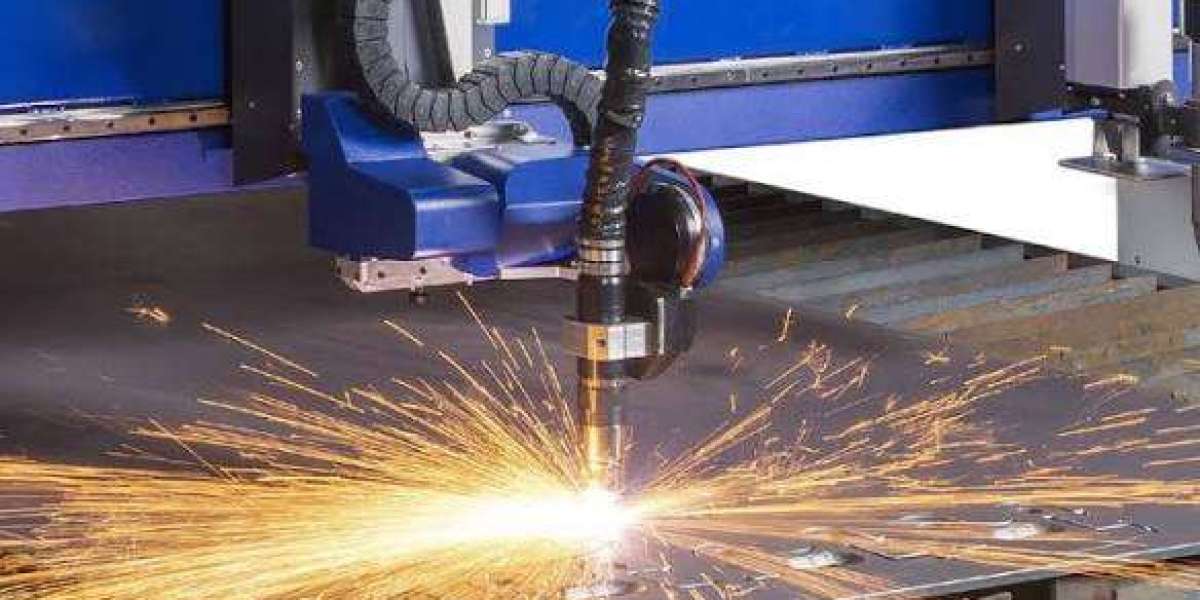

Every cutting table brochure promises a productivity boost, and almost none put a number on it. That is because the gain depends on what slows you down today, whether that is programming, wasted sheet, rework or thick plate your power supply cannot pierce cleanly.
Where the Gains Actually Come From
Most of the time you save is not in the cut itself. It is in everything around it. In a busy workshop, hours disappear into preparing programs, placing parts on a sheet and sequencing cut paths by hand. A good plasma table cutter takes over much of that repetitive thinking, so designs go straight from drawing to part. The built-in control software imports DXF files directly at the machine, which cuts time spent preparing programs elsewhere.
True-shape nesting: parts are placed to get more out of each sheet, which cuts waste.
Automatic lead-ins and lead-outs: no manual fiddling to protect the edge of the finished part.
Cut data for different materials: operators start from known settings instead of trial and error.
Path planning: less wasted torch movement between cuts.
Less Downtime, Less Rework
Productivity is also about what you do not have to redo. Kerf compensation keeps parts true to the drawing, and digital torch height control holds the right cutting distance even if the plate surface varies, which means cleaner cuts and less dross to grind off. Monitoring tools can also pause the machine if the arc is lost, protecting consumables and avoiding scrap. Accuracy figures on the specifications are under 0.2 mm on the mid-range table and under 0.1 mm on the flagship, which matters if parts need to fit together without rework.
Match the Machine to Your Workload
A bigger or faster CNC plasma table is not automatically more productive. Cutting areas run from 1200 x 1200 mm up to 2000 x 6000 mm, and X and Y travel speeds reach up to 10 metres a minute on the mid-range table and 20 on the flagship. Those are travel speeds, not cutting speeds, which depend on the material and thickness. Power supply choice matters just as much. Pierce capacity in mild steel ranges from 12 mm to 38 mm, with edge cut up to 57 mm, so a unit that is too small will slow you down on thicker plate.
Choose the table size around your usual sheet, not your biggest dream job.
Match the power supply to the thickest steel you cut regularly.
Water bed or downdraft: pick the fume control that suits your materials and workshop.
A pneumatic scribe can speed up part marking and bend lines.
What to Ask Before You Buy
Before you commit, work out where your current time actually goes. If most of it goes on programming, nesting and rework, software features will give you more than raw speed. If it goes on thick plate, the power supply matters most. Ask for a quote based on your real jobs, and check how easy the machine is to service. A plasma metal cutting machine only improves productivity if it matches the work you do every day and the people operating it can use it with confidence.
Conclusion
You will not find an honest percentage that fits every workshop. What you can expect is gains in programming time, material use and rework, provided the table and power supply suit your jobs. Measure your own bottlenecks first, then choose the setup that tackles them.