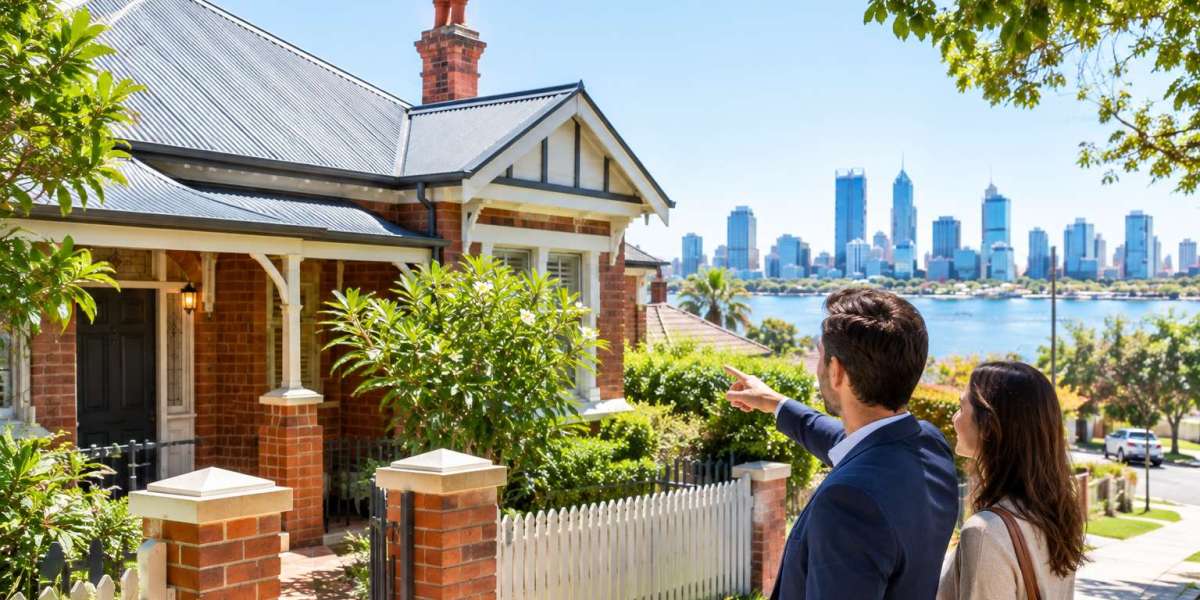

Think of it like buying a vintage car. The shape, the sound and the history are wonderful. You still lift the bonnet before you hand over the money.
If you're scrolling through any property for sale Perth has listed near the river, an older place with high ceilings and a mature garden can steal your heart in seconds. That's fine. Just keep your head switched on too. Here's what to know before you commit.
Why Older Homes Appeal and Where They Bite
1. Character and Block Size
Older homes often come with details newer builds can't copy easily. Think solid brickwork, timber floors, deep verandahs and established trees. Many also sit on generous blocks close to the river, the foreshore and the city. Among the houses for sale Perth buyers browse in this pocket, land size and location are a big part of the appeal, sometimes more than the house itself.
2. Age Brings Wear
Everything has a lifespan. Roofs, pipes, wiring, hot water systems and paint all wear out, and older homes may be closer to the end of that road. Some owners have kept up with maintenance. Others haven't. A tidy paint job can hide a lot, which is why checking matters.
3. The Price Is Only the Start
The purchase price is what you see. The repair bill, insurance cost and renovation plans are what you can't see yet. Two homes at the same price can cost very different amounts over the next five years. Always think about the total cost, not just the sticker.
Quick Reality Check
Do I love the home, or only the street?
Can I afford repairs on top of the purchase price?
Do I have time for a renovation?
What would I do if the inspection finds a big problem?
Is the land worth more than the house?
Check the Structure and Services
1. Roof, Walls and Floors
Look closely at the roof for sagging, rust, cracked tiles or patched leaks. Check walls for cracks, especially wide ones or those that run diagonally from doors and windows. Walk across the floors and notice any bounce, slope or soft spots. Check the subfloor too, because timber floors and poor ventilation can be a bad mix.
2. Wiring, Plumbing and Hot Water
Older switchboards, fuse boxes and old style wiring may need updating, both for safety and for insurance. Pipes can corrode over the years, causing low pressure or leaks. Ask how old the hot water system is, and whether any plumbing or electrical work has been done recently, and by whom.
3. Asbestos, Termites and Damp
Homes built before the late 1980s may contain asbestos, often in eaves, wet areas, fences and sheds. It's usually safe if left alone, but it must be handled correctly during any renovation, so know where it is. Termites are a real risk in Western Australia, so ask for a current pest report and any treatment history. Look for musty smells, bubbling paint and stained plaster, which can hint at damp.
Inspection Checklist
Building inspection by a qualified inspector
Separate timber pest inspection
Electrical and plumbing check if anything looks old
Roof and ceiling space inspected
Asbestos assessment where fibro is likely
Drainage and stormwater reviewed
Understand the Rules, Heritage and Planning
1. Heritage Listings and Character Streets
Some older homes carry heritage listings or sit in areas where the council wants to protect the look of the street. That can limit demolition, changes to the front of the house or even paint colours. Ask the City of South Perth whether the property has any heritage listing, and what that means in practice, before you assume you can change it.
2. Zoning and What You Can Build
Zoning controls what you can build, how high, how close to the boundary and whether you can subdivide. Many buyers of older homes dream of extending, rebuilding or adding a second dwelling. Don't guess. Confirm the zoning and planning rules with the council or a planning professional, because rules change and they differ from street to street.
3. Unapproved Work
Older homes often have additions that were never approved, such as enclosed verandahs, granny flats, sheds or pergolas. Unapproved work can cause trouble at sale time, with insurance or with the council. Ask for approvals and plans, and compare them with what's actually on the block.
Records to Request
Certificate of title and any easements
Building permits and plans
Heritage or planning information from the council
Council rates notice
Pest and building reports
Details of past renovations
Plan the Money Before You Fall in Love
1. Finance and Valuation
Your lender will value the home before approving a loan. Older homes sometimes value lower than buyers expect, particularly if repairs are needed, so you might need a bigger deposit. Speak to a broker or lender early, and make your contract conditional on finance. Plenty of property for sale Perth buyers chase falls over at this stage when someone skips the check.
2. Insurance
Insurers can ask about the age of the roof, the wiring and the plumbing, and may charge more or set conditions for older homes. Get a quote before you sign, not after. If you can't get cover at a price you can afford, that's worth knowing early.
3. Budget for Upgrades
Add a buffer for repairs and upgrades, because older homes tend to find ways of spending your money. Here's an example only, with made up figures. Suppose you buy for $1,500,000 and the inspection shows you'll need $40,000 of work in the first year. Your real cost is closer to $1,540,000. Compare that to similar homes already updated, and see whether the deal still makes sense.
Budget Checklist
Deposit and stamp duty
Inspection and legal costs
Urgent repairs
Insurance quotes
Renovation plans and quotes
A buffer of at least ten to fifteen percent
Renovate, Rebuild or Leave It Alone
1. A Light Refresh
For many buyers, paint, floor sanding, new light fittings and a tidy garden are enough. These jobs cost little compared with big projects, and they can make an older home feel new. Start here before you think about anything larger.
2. Extending or Rebuilding
Extending or knocking down and rebuilding can be exciting, and it can also be expensive and slow. Costs, approvals and timing vary widely, so get quotes and speak to the council early. Check heritage rules, boundary setbacks and any restrictions on tree removal. Don't rely on the seller's drawings or promises.
3. Living In It As It Stands
Plenty of people buy an older home and enjoy it as it is, doing small jobs over time. That's a perfectly good plan if the house is sound and safe. Just be honest about whether you'll tolerate the quirks, such as drafts, small bathrooms or a tired kitchen.
Questions Before You Decide
What do I want this home to be in five years?
What does the council allow?
What will the work cost, and when?
Can I live here while work is done?
Would I still like the house if I changed nothing?
Negotiating and Making an Offer
1. Use the Inspection Findings
A building and pest report gives you facts to work with. If it shows real problems, you can ask the seller to fix them, reduce the price or share the cost. Stay reasonable. Minor wear is normal in an older home, so focus on issues that affect safety, structure or large repair bills.
2. Choose Conditions Carefully
Common conditions include finance approval and building and pest inspections. Give yourself enough time to complete them properly, but not so long that you scare off the seller. A settlement agent or solicitor can explain what each condition means and how it protects you.
3. Compare With Recent Sales
Ask your agent for recent sales of similar older homes nearby, and for sales of updated ones. The gap between them shows you what buyers will pay for condition and renovation. Among the houses for sale Perth wide, comparable evidence beats a gut feeling every time.
Offer Checklist
Inspection reports reviewed
Finance confirmed or conditional
Recent comparable sales checked
Inclusions and exclusions clear
Conditions and dates understood
Legal advice taken where needed
Get Advice Before You Commit
1. Talk to a Local Agent
An agent who works the area knows which streets have heritage rules, which have drainage trouble and which older homes hold their value. We offer free, no obligation appraisals, and part of that is explaining what we see at inspections. Check that any agent you use holds a current licence through Consumer Protection WA.
2. Bring in Independent Experts
Use a qualified building inspector, a pest inspector and, where needed, an electrician, plumber or engineer. Don't rely on the seller's reports alone. Independent opinions protect you if something goes wrong later.
3. Give Yourself Time
Older homes can pull on your emotions. Visit more than once, at different times of day, and bring someone who isn't as attached. Walk the neighbourhood and listen for traffic or noise. A day or two to think rarely loses you the right home.
Questions for Your Agent
What have similar older homes sold for recently?
Are there heritage or planning issues on this street?
What defects do you commonly see in homes like this?
How long has the property been on the market?
What did the seller do to maintain it?
Conclusion
Buying an older home in South Perth means trading some certainty for character, land and location. Inspect it properly, check the council rules, sort your finance and insurance, and budget for repairs before you offer. Do that and an older home can be a rewarding place to live and a smart long term hold. Whatever property for sale Perth listings you're comparing, treat the inspection report, the planning information and the recent sales as your best friends. A local agent can show you what's selling, what's worth a second look and what to walk away from.
Frequently Asked Questions
1. Are older homes in South Perth more expensive to maintain?
Often, yes, particularly if the roof, wiring or plumbing haven't been updated. A building inspection helps you estimate costs before you buy.
2. Do I need a building and pest inspection for an older home?
Yes. Hidden defects, termite damage and unapproved work are common in older homes, and an inspection protects you before you sign.
3. Can I knock down and rebuild an older home in South Perth?
Sometimes, but it depends on zoning, heritage rules and planning requirements. Check with the City of South Perth before you rely on that plan.
4. Is asbestos a dealbreaker in an older home?
Not necessarily. It's often safe if left undisturbed, but it needs careful handling in renovations, so find out where it is and plan for it.
5. Who can help me find suitable houses for sale Perth buyers love in older suburbs?
A local, licensed agent who knows the area and can show recent sales evidence. Ask for it in writing and compare more than one opinion.