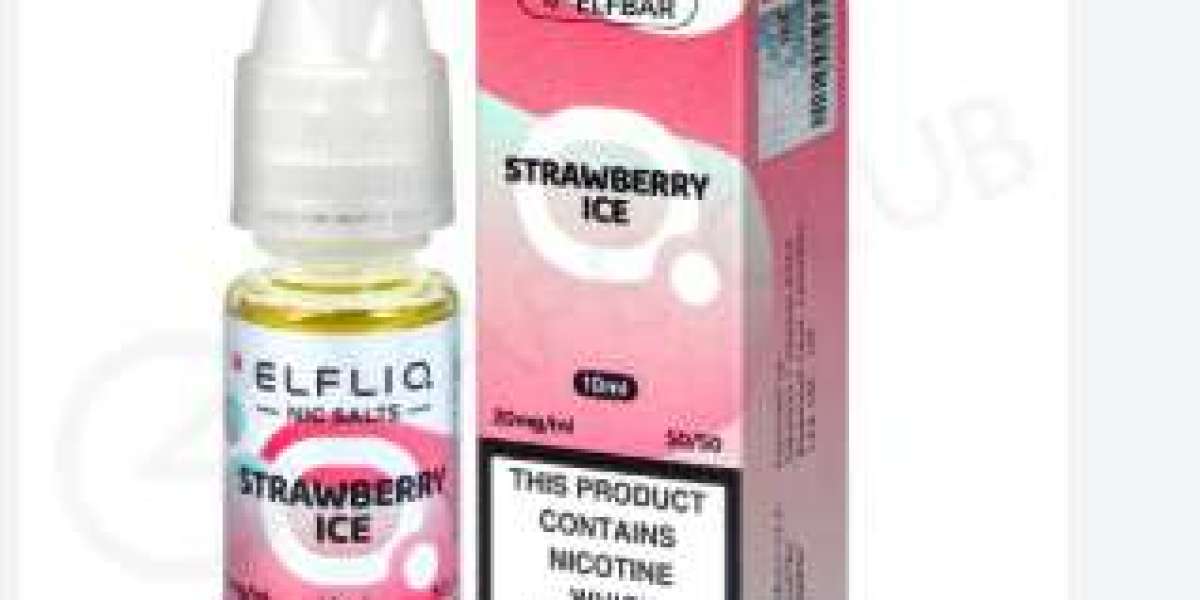

Introduction to Vape Liquid
Vape liquid, commonly known as e-liquid or vape juice, is a specially formulated liquid used in electronic vaping devices. When heated by a compatible device, it produces an aerosol that users inhale. Vape liquids are available in numerous flavours, nicotine strengths, and formulations, making them a significant part of the modern vaping market.
Understanding vape liquid requires more than knowing its flavour or appearance. Its ingredients, nicotine concentration, propylene glycol and vegetable glycerin ratio, and manufacturing quality all influence its characteristics. Consumers should also understand the potential health risks associated with inhaling vaping aerosols.
Although these products are often advertised for their variety and convenience, vaping is not risk-free. Learning about vape liquid can help readers understand product information, recognise misleading claims, and make informed decisions about their health.
What Is Vape Liquid?
Vape liquid is the substance designed for use in compatible electronic vaping devices. Unlike traditional tobacco products, which burn tobacco to produce smoke, vaping devices heat a liquid to create an aerosol. This process does not eliminate health risks, and the resulting aerosol may contain substances that can affect the respiratory system.
Most vape liquids contain a base made from propylene glycol, vegetable glycerin, or a combination of both. Flavourings may be added to create different taste profiles, while nicotine is included in some formulations.
The exact composition varies between manufacturers and products. For this reason, checking the ingredient list and product label is important when researching any vape liquid.
Common Ingredients Found in Vape Liquid
Understanding the ingredients in vape liquid provides useful information about how these products are formulated.
Propylene Glycol (PG)
Propylene glycol is a relatively thin liquid used as a carrier for flavourings. It influences the consistency of vape liquid and helps distribute flavour throughout the formulation. Some users may experience throat irritation or sensitivity to products containing this ingredient.
Vegetable Glycerin (VG)
Vape liquid is a thicker liquid commonly used in vaping formulations. It contributes to aerosol production and affects the overall consistency of the product. Higher VG proportions generally produce thicker liquids, but this does not mean they are automatically safer.
Flavourings
Flavourings are responsible for the variety of tastes available in the vape liquid market. These may include fruit, mint, dessert, and beverage-inspired profiles. However, a chemical that is suitable for eating is not necessarily safe to inhale. Heating certain flavouring substances may also change their chemical properties.
Nicotine
Some vape liquids contain nicotine, an addictive substance that can lead to dependence. Nicotine concentration varies between products, and exposure depends on several factors, including the formulation and how the device is used. Nicotine-free liquids avoid added nicotine but can still present other potential health risks.
Different Types of Vape Liquid
Vape liquids are commonly categorised according to their nicotine formulation and ingredients.
Freebase Nicotine Vape Liquid
Freebase nicotine is a traditional nicotine formulation found in some vaping products. These liquids come in different concentrations and flavour combinations. Their characteristics also depend on the PG/VG ratio and the device for which they are intended.
Nicotine Salt Vape Liquid
Nicotine salt liquids use a different chemical form of nicotine and are frequently marketed for certain low-powered vaping devices. Some formulations can deliver substantial amounts of nicotine, making it important to understand the labelled concentration and addiction risks.
Nicotine-Free Vape Liquid
Nicotine-free vape liquid is formulated without added nicotine. Although the absence of nicotine may reduce the risk of nicotine dependence from that product, it does not eliminate the potential risks associated with inhaling flavourings, particles, or other substances in the aerosol.
Popular Vape Liquid Flavours
Flavour variety is one of the most recognisable characteristics of the vape liquid market. Manufacturers develop different profiles to appeal to a wide range of preferences.
Fruit-inspired flavours include mango, watermelon, strawberry, apple, and mixed berries. Mint and menthol options are associated with a cooling sensation, while dessert-inspired varieties may feature vanilla, caramel, chocolate, or bakery-style notes.
Some formulations are marketed with beverage-inspired profiles, such as citrus drinks or sweet refreshments. These descriptions can help consumers identify a product's intended taste, but the flavour name does not reveal every ingredient.
An attractive flavour should never be treated as evidence that a vape liquid is safe. Certain substances can have different effects when inhaled than when consumed as food.
Understanding PG/VG Ratios
The PG/VG ratio indicates the relative amounts of propylene glycol and vegetable glycerin in a vape liquid. This balance affects the liquid's thickness and its performance in compatible devices.
A formulation containing a higher proportion of PG is generally thinner and may carry flavour effectively. A liquid with a higher VG proportion is usually thicker and contributes to aerosol production.
These differences are relevant to product design, but the ratio alone cannot determine safety. Other factors include the complete ingredient list, manufacturing quality, heating conditions, and substances formed during use.
Following the device manufacturer's compatibility instructions is essential because not every liquid is appropriate for every device.
How to Identify Quality Vape Liquid
When researching vape liquid, consumers should examine the product label, ingredients, nicotine concentration, manufacturer information, and applicable regulatory requirements. Clear and accurate labelling helps people understand what a product claims to contain.
Products with missing labels, unclear origins, damaged packaging, or exaggerated health claims should be treated cautiously. Purchasing through a legitimate supplier may reduce the chance of encountering counterfeit products, although it cannot guarantee that a product is harmless.
Consumers should also check local laws concerning the sale, importation, advertising, and use of vaping products. Regulations differ between countries and may change over time.
Safe Storage and Handling Practices
Vape liquid must be handled carefully, particularly when it contains nicotine. Accidental ingestion or exposure to concentrated nicotine liquid can cause poisoning.
Keep vape liquid in its original labelled container and store it securely away from children and pets. Avoid contact with the eyes and skin, and wash exposed skin promptly after a spill. Do not transfer liquids into food or drink containers, as this may increase the risk of accidental ingestion.
If someone swallows vape liquid or develops symptoms suggesting nicotine poisoning, seek urgent medical advice or contact local emergency services.
Health Considerations and Responsible Choices
Vaping can expose users to nicotine, fine particles, and other potentially harmful substances. Some people experience coughing, throat irritation, or respiratory discomfort. The long-term effects of many vaping products remain under investigation.
Young people and pregnant individuals should avoid nicotine exposure. People who do not smoke or vape should not start. Those seeking to quit smoking can consult a qualified healthcare professional about evidence-based approaches to smoking cessation.
Conclusion
Vape liquid comes in different formulations, flavour profiles, and nicotine concentrations. Ingredients such as propylene glycol and vegetable glycerin influence its physical characteristics, while flavourings determine its taste and nicotine content affects the risk of dependence.
Understanding product labels, ingredient information, device compatibility, and storage requirements can help readers evaluate vaping products more carefully. Nevertheless, no particular flavour or formulation guarantees safety. Awareness of the potential health effects and avoiding unnecessary exposure remain essential when considering vape liquid.