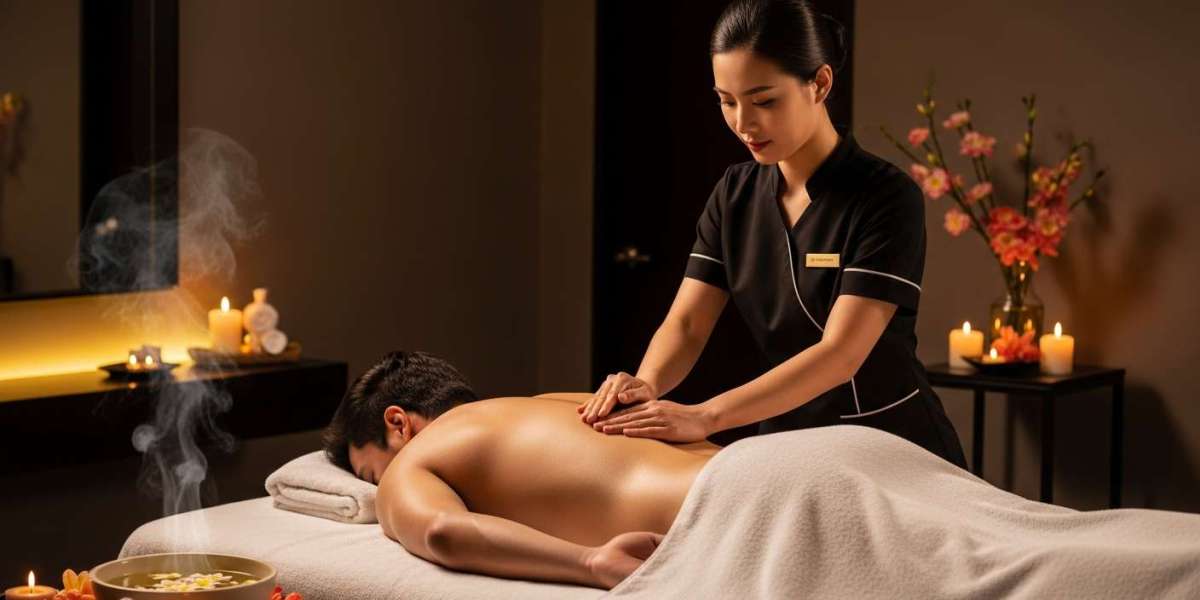

Massage is a popular way to make time for personal care, unwind after a busy day and enjoy a break from everyday responsibilities. However, not every massage treatment offers the same experience. Deep tissue massage and relaxation massage are two common options, each using different techniques and pressure levels to suit different preferences.
Understanding the differences between these treatments can help you choose an option that fits your lifestyle, comfort level and personal goals. Whether you spend long hours at a desk, lead an active lifestyle or simply want time to relax, knowing what each treatment involves can make your decision easier.
What Is Deep Tissue Massage?
Deep tissue massage uses slower movements and firmer pressure to focus on areas of muscle tightness. The therapist may work on specific parts of the body, depending on your preferences and the treatment plan discussed before the session.
This massage may appeal to people who regularly participate in physical activities, spend extended periods sitting or notice tightness after repetitive movements. The treatment can be adjusted to focus on particular areas, such as the shoulders, back or legs.
Although deep tissue massage involves firmer pressure, it should not be excessively painful. More pressure does not automatically mean better results. Communicating with your therapist throughout the session helps ensure the pressure remains comfortable and appropriate.
People with recent injuries, certain medical conditions or unexplained pain should seek suitable professional advice before booking a deep tissue treatment.
What Is Relaxation Massage?
Relaxation massage generally involves gentle, flowing movements designed to create a calming experience. The pressure is usually lighter than that used during deep tissue massage, making it an option for people who prefer a more soothing treatment.
This style of massage may suit individuals with busy schedules who want to slow down, take a break from daily demands and enjoy some quiet time. The comfortable environment and steady movements can help create a relaxing experience.
Relaxation massage may be a suitable starting point for people who are new to massage or unsure which pressure level they prefer. You can discuss your expectations with the therapist before the session and request adjustments whenever necessary.
Key Differences Between Deep Tissue and Relaxation Massage
While both treatments involve hands-on massage techniques, they differ in their main focus, pressure and overall experience.
1. Pressure and Technique
Deep tissue massage usually uses firmer, slower strokes and focuses on selected areas of muscle tightness. Relaxation massage generally uses gentler movements across broader areas of the body.
If you enjoy firmer pressure and want attention directed towards particular areas, deep tissue massage may be worth considering. If you prefer a lighter touch and a calm experience, relaxation massage may be a better fit.
2. Your Personal Goals
Your reason for booking can help guide your choice. Someone who wants a peaceful break from a demanding work schedule may prefer relaxation massage. Someone who is physically active and wants a treatment focused on specific areas of tightness may be more interested in deep tissue massage.
Neither option is automatically better than the other. The right choice depends on your preferences, circumstances and the advice of an appropriately qualified professional when needed.
3. Comfort During the Session
Comfort should remain a priority with both treatments. Deep tissue massage may feel more intense because of the firmer pressure, but you should never feel that you must tolerate sharp or severe pain.
Relaxation massage generally offers a gentler experience, although the therapist should still check that the pressure suits you. Before your appointment, explain your preferences and mention any areas you would like the therapist to avoid.
4. Your Lifestyle and Schedule
Your daily routine can also influence which treatment you choose. People who spend long hours working at a computer may want to discuss shoulder and back tension with their therapist. Those who regularly exercise may prefer to discuss whether a massage focused on particular muscle groups is appropriate.
If your main priority is to set aside time for yourself, a relaxation massage may be more appealing. Consider your availability, budget and comfort when deciding how often to book.
How to Choose the Right Massage for Your Needs
Choosing between deep tissue and relaxation massage does not need to be complicated. Start by considering what you want from the appointment and how comfortable you feel with different pressure levels.
Ask yourself the following questions:
- Do I prefer gentle pressure or a firmer massage?
- Am I mainly looking for a calming experience?
- Are there particular areas of muscle tightness I want to discuss?
- Have I had a massage before, and what did I find comfortable?
- Do I have any injuries or health concerns that need professional advice before treatment?
Your answers can help you explain your preferences when making a booking. If you are uncertain, ask the provider to explain the available options before selecting a treatment.
People comparing massage Preston services can look at the types of massage offered, the information provided about each treatment and whether the provider welcomes questions about pressure and comfort.
Preparing for Your Massage Appointment
A little preparation can help you feel more comfortable before your appointment. Wear clothing that is easy to change out of, arrive with enough time to settle in and let your therapist know about any relevant health concerns.
Before the session begins, discuss your preferred pressure, areas of focus and any boundaries you want respected. You can request a change in pressure or ask the therapist to stop at any time.
After your massage, give yourself time to return to your usual activities at a comfortable pace. Drink water according to your normal needs and pay attention to how your body feels. If you experience persistent or concerning symptoms, seek advice from an appropriate health professional.
Massage as Part of Your Self-Care Routine
Making time for personal care can be challenging when work, family and other responsibilities take priority. However, simple habits such as taking breaks, staying active, getting adequate sleep and enjoying relaxing activities can help create a more balanced routine.
Massage may be one part of that routine, depending on your preferences and circumstances. Some people choose occasional appointments when they want time to unwind, while others prefer to schedule treatments around their regular activities.
There is no single massage frequency that suits everyone. Consider your budget, schedule, comfort and individual needs rather than feeling that you must book treatments at a particular interval.
Massage should not replace medical assessment or treatment for an injury or ongoing health concern. If you are unsure whether a particular massage is suitable for you, seek appropriate professional guidance before proceeding.
Explore Other Personal Care Services
Alongside massage, some people include grooming and hair removal in their personal care routine. These services have different purposes, so it is useful to understand what each involves before making a choice.
For example, waxing Preston services may suit people who prefer removing unwanted hair through waxing. Following appropriate aftercare advice can help minimise skin irritation.
Those who prefer a straightforward grooming option may consider clippers and shaving Preston services. The most suitable approach depends on individual preferences, the treatment area and skin sensitivity.
People interested in longer-term hair reduction may also explore laser hair removal Preston services. Suitability and results vary according to factors such as hair colour, skin type and treatment area, so discussing expectations and possible side effects with a qualified provider is important.
These services are separate from massage, but they can be considered alongside other personal care choices based on your lifestyle and priorities.
Conclusion
Deep tissue massage and relaxation massage offer different experiences. Deep tissue massage uses firmer pressure to focus on selected areas of muscle tightness, while relaxation massage generally uses gentler movements to create a calming experience.
The best option depends on your comfort level, lifestyle and reasons for booking. Consider what you want from the session, communicate openly with your therapist and ask questions if you are unsure which treatment is suitable.
Whether you are exploring massage Preston options for the first time or comparing different massage styles, taking the time to understand your choices can help you make an informed decision that suits your personal care routine.