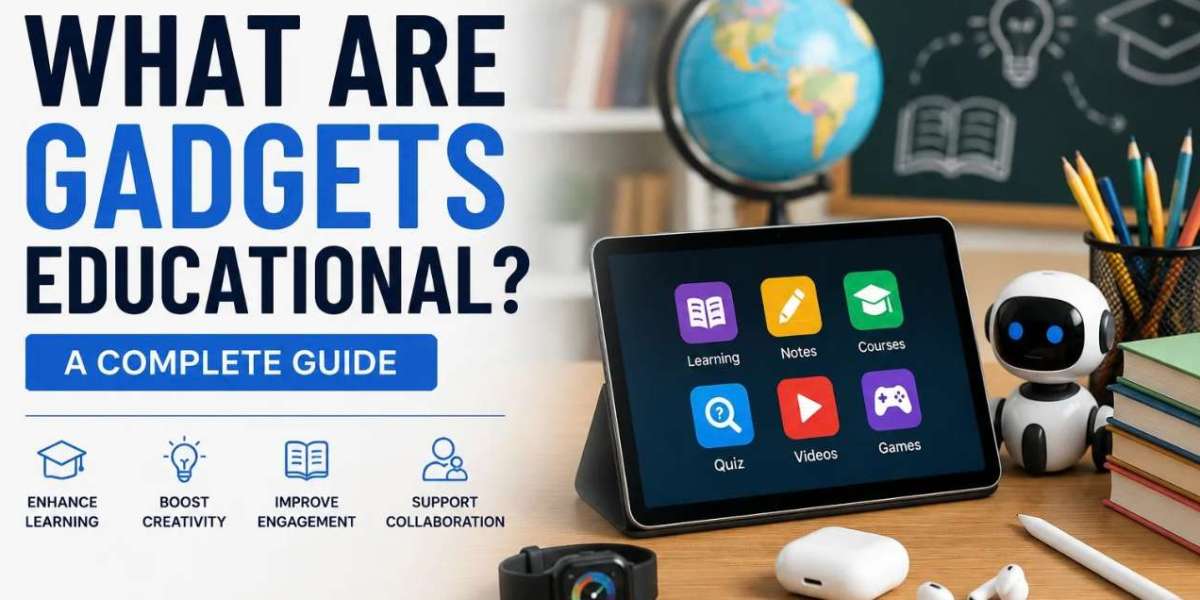

Learning at home has become easier with access to digital tools that help students explore lessons, complete assignments, and develop new skills. From online classrooms to interactive learning applications, technology gives students more ways to understand subjects outside the traditional classroom. Choosing the right tools can make home learning more organized, engaging, and convenient.
Gadgets Education is an important part of modern learning because educational devices help students access study materials, attend virtual classes, practice difficult concepts, and explore topics at their own pace. When used appropriately, these tools can support independent learning while helping parents create a productive study environment at home.
How Educational Gadgets Support Home Learning
Educational technology includes devices such as laptops, tablets, e-readers, digital pens, headphones, and interactive learning tools. Each device serves a different purpose, depending on the student's age, learning style, and academic requirements.
1. Laptops for Online Classes and Research
Laptops are useful for attending virtual lessons, preparing presentations, researching topics, and completing school assignments. Students can access educational websites, digital textbooks, and productivity applications from one device.
A laptop with a comfortable keyboard and a reliable internet connection can also make longer writing tasks easier. Parents should consider durability, battery life, and the software required for schoolwork before purchasing one.
2. Tablets for Interactive Learning
Tablets provide a portable way to read digital books, watch educational videos, solve practice questions, and use subject-specific applications. Their touchscreens can make interactive activities easier for younger learners.
With suitable educational apps, students can practice mathematics, improve vocabulary, and explore science concepts through demonstrations. Parental controls and age-appropriate content settings help keep the learning experience suitable for children.
3. E-Readers for Better Reading Habits
E-readers give students access to digital books without requiring them to carry several printed textbooks. Many models include adjustable text sizes and built-in dictionaries, which can help readers access unfamiliar words.
They can be especially useful for students who enjoy reading or need convenient access to supplementary study materials.
4. Headphones for Focused Study
Headphones can help students hear online lessons clearly and reduce distractions during virtual classes. Models with comfortable ear cushions and appropriate volume limits are worth considering, particularly for younger users.
Students should take regular breaks and avoid listening at excessively high volumes to protect their hearing.
Benefits of Using Educational Gadgets at Home
Educational Gadgets can offer several advantages when combined with effective study habits.
Flexible learning: Students can revisit recorded lessons and study materials when needed.
Interactive practice: Educational applications provide quizzes, exercises, and demonstrations.
Improved organization: Digital calendars and reminders help students manage assignments.
Independent learning: Students can explore topics beyond their regular textbooks.
Access to resources: Online libraries and educational platforms provide additional learning materials.
However, devices work best when students have clear learning goals and guidance from parents or teachers.
How to Choose the Right Learning Gadgets
Before buying educational devices, identify the student's actual needs. Younger children may benefit from simple, supervised learning tools, while older students may require a laptop for research, writing, and online classes.
Compare device costs, durability, battery life, accessibility features, and parental controls. It is also important to balance screen-based activities with physical exercise, printed reading, creative play, and face-to-face interaction.
Conclusion
Technology can make learning at home more flexible, interactive, and accessible. Laptops, tablets, e-readers, and headphones each support different educational activities, but the best choice depends on the student's age and learning goals. With thoughtful device selection, balanced screen time, and consistent guidance, families can create a home learning environment that encourages curiosity and academic growth.
Discover More With TechFynix
TechFynix offers paid guest post services across multiple categories, giving writers, businesses, brands, and professionals opportunities to publish informative content. We welcome useful information and industry-related content from different fields, giving contributors a platform to share their ideas and readers an opportunity to discover subjects that interest them.