
The Development of Versatile Casualwear in the Modern Fashion Industry
Introduction
The modern fashion industry has experienced a significant shift toward clothing that combines comfort, versatility, and contemporary style. Casualwear, once associated mainly with leisure activities and informal occasions, has become an essential part of everyday dressing. Changing work environments, busy urban lifestyles, digital shopping habits, and evolving consumer expectations have encouraged people to choose garments that adapt to different situations. From comfortable sweatshirts and relaxed trousers to lightweight jackets and coordinated outfits, modern casual clothing offers practical solutions without sacrificing visual appeal. Fashion brands are responding to these preferences through adaptable designs, carefully selected materials, neutral color palettes, and versatile silhouettes. This development reflects a broader transformation in consumer behavior, where clothing is expected to support everyday activities while allowing individuals to express their personal identity through thoughtful and flexible styling.
The Evolution of Casualwear in Contemporary Society
Casualwear has developed considerably as social habits and attitudes toward clothing have changed. In earlier decades, fashion was often divided into clearly defined categories, with formal garments reserved for professional settings and relaxed clothing associated with home or leisure. Over time, these boundaries became less rigid as workplaces adopted more flexible dress codes and consumers prioritized comfort in their daily routines. Jeans, T-shirts, knitwear, sweatshirts, and casual footwear gradually became acceptable choices for a wider range of situations. Designers also began refining these familiar garments through improved construction, modern proportions, and more sophisticated materials. Today, casualwear represents a major part of the fashion market because it combines practical functionality with numerous styling possibilities. Its evolution demonstrates how clothing adapts to changes in culture, technology, and everyday expectations.
Comfort as a Foundation of Modern Clothing
Comfort has become one of the most important considerations influencing casualwear design. Consumers increasingly seek clothing that allows them to move freely throughout demanding schedules, whether they are commuting, studying, working remotely, travelling, or spending time with friends. This demand has encouraged designers to focus on breathable fabrics, flexible construction, relaxed fits, and garments that feel comfortable during extended wear. Sweatshirts, soft T-shirts, loose-fitting trousers, and lightweight outerwear are popular examples of this approach. However, contemporary casualwear is not simply about choosing the softest material or loosest fit. Good design balances comfort with proportion, durability, and appearance. Thoughtful tailoring and well-finished details can make relaxed clothing look intentional and polished. This balance explains why comfort-focused apparel has become a central element of modern wardrobes.
The Growing Demand for Versatile Wardrobe Essentials
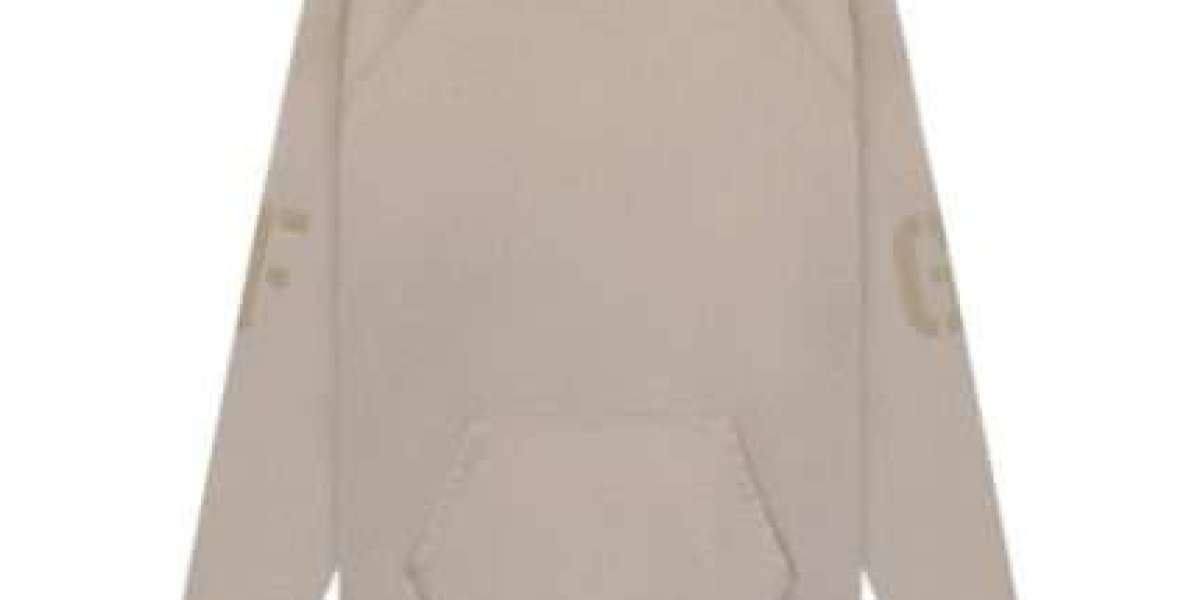
Versatility has become increasingly important as consumers look for clothing that serves multiple purposes. Many people prefer garments that can be styled differently rather than purchasing separate outfits for every activity or occasion. A simple sweatshirt, for example, may work with denim for a relaxed appearance or with tailored casual trousers for a more refined combination. Lightweight jackets, plain T-shirts, and neutral knitwear provide similar flexibility. An essentials hoodie can become a useful wardrobe layer because it pairs naturally with different trousers, footwear, and outerwear. The value of versatile clothing comes from its ability to fit into an existing wardrobe while supporting new combinations. This approach allows consumers to make more practical purchasing decisions and develop a consistent personal style. For fashion brands, creating adaptable garments offers an opportunity to meet demand for clothing that remains useful beyond a single trend.
The Influence of Streetwear on Casual Fashion
Streetwear has played an important role in expanding the appeal of casual clothing. Influenced by music, skateboarding, sports, and urban communities, streetwear introduced relaxed silhouettes and distinctive styling into mainstream fashion. Oversized sweatshirts, graphic T-shirts, cargo trousers, sneakers, and casual jackets are now widely incorporated into everyday wardrobes. Designers have also combined street-inspired elements with more refined materials and carefully balanced proportions, creating garments that work across a broader range of settings. This development has encouraged consumers to view casualwear as a form of personal expression rather than merely practical clothing. Streetwear's influence is especially visible in the popularity of comfortable outfits that maintain a clear visual identity. By blending cultural inspiration with functional design, modern casual fashion continues to evolve and attract consumers with diverse lifestyles and preferences.
Minimalist Design and Contemporary Apparel
Minimalist design has become a major influence on versatile casualwear because it emphasizes simplicity, clean silhouettes, and purposeful details. Instead of relying on excessive decoration, minimalist garments create interest through fabric texture, construction, proportions, and carefully selected colors. Black, white, grey, cream, beige, and muted earth tones are frequently used because they work well together and suit different styling preferences. This approach makes clothing easier to coordinate, helping consumers build wardrobes with fewer visual limitations. Minimalist casualwear can also transition between seasons through layering and the use of different fabric weights. Its appeal lies in offering a contemporary appearance without depending on highly specific trends. As consumers increasingly value adaptability, minimalist design provides a practical framework for creating clothing that feels current while remaining easy to wear in everyday life.
Fabric Innovation and Improved Garment Performance
The development of casualwear has been supported by improvements in textile production and garment construction. Modern clothing manufacturers can choose from a wide range of natural, synthetic, and blended materials designed for different needs. Cotton is widely appreciated for its familiar feel, while cotton blends can offer variations in stretch, durability, and maintenance. Fleece and heavier sweatshirt fabrics may provide warmth and structure, whereas lightweight woven materials can support layering and movement. Fabric selection affects not only comfort but also how clothing drapes, retains its shape, and performs after repeated washing. Construction details, including reinforced seams, well-finished cuffs, and consistent stitching, contribute to the overall quality of a garment. These developments allow brands to create casual clothing that combines attractive design with practical performance, helping consumers find pieces suited to their daily activities and personal preferences.
The Popularity of Relaxed Fits and Modern Silhouettes
Relaxed silhouettes have become defining features of contemporary casualwear. Oversized tops, wide-leg trousers, loose-fitting jeans, and roomy outerwear offer a comfortable alternative to more restrictive clothing. These shapes also provide opportunities to experiment with layering, proportions, and personal styling. However, versatility depends on selecting fits that work together rather than simply choosing the largest available size. A relaxed sweatshirt may look balanced with straight-leg trousers, while wider pants can pair effectively with a shorter or more structured top. Garment length, shoulder placement, sleeve volume, and fabric weight all contribute to the overall appearance. Modern designers increasingly explore these details to create clothing that feels comfortable without appearing careless. The continued popularity of relaxed silhouettes reflects changing preferences toward ease of movement and a more individual approach to everyday fashion.
Coordinated Sets and Effortless Everyday Styling
Coordinated casualwear has grown in popularity because it simplifies the process of putting together a complete outfit. Matching sweatshirts and trousers, complementary tracksuits, and tonal separates create a consistent appearance with minimal planning. These combinations are particularly useful for consumers who want comfortable clothing that still feels thoughtfully styled. The essentials sweatpants style reflects the wider appeal of relaxed trousers that can be worn with a matching top or combined with different wardrobe pieces. Neutral colors help coordinated outfits maintain a balanced appearance, while contrasting footwear and accessories can introduce personality. Individual garments from a set can also be worn separately, increasing their usefulness and styling potential. This combination of convenience and flexibility has made coordinated casualwear an important part of contemporary fashion collections.
The Influence of Premium Streetwear on Everyday Clothing
The relationship between premium fashion and everyday apparel has changed how consumers perceive casual garments. Clothing once viewed primarily as basic or functional is increasingly designed with attention to material quality, silhouette, finishing, and brand identity. Fear of God is associated with an elevated streetwear aesthetic that emphasizes relaxed proportions, muted colors, and considered layering. This broader design direction has contributed to interest in casual clothing that feels comfortable while maintaining a refined visual character. Consumers may now evaluate a sweatshirt or pair of trousers according to how well it fits, how its fabric feels, and how easily it works with other garments. This shift demonstrates that casualwear can deliver both practical value and aesthetic appeal. Premium-inspired design has therefore become an important influence on contemporary collections across different price categories.
Changing Shopping Habits in the Fashion Industry
Digital technology has significantly influenced how consumers discover, compare, and purchase casual clothing. Online stores allow shoppers to explore styles, review product information, compare prices, and assess available sizes without visiting physical shops. Social media platforms also introduce consumers to new outfits, brands, and styling ideas through creators and everyday users. These developments have increased the importance of clear product photography, accurate descriptions, reliable sizing guides, and responsive customer support. The essentials fear of god search phrase reflects interest in a segment of contemporary streetwear where relaxed silhouettes and understated styling have attracted attention. For clothing businesses, long-term success depends on offering a dependable shopping experience rather than relying solely on trends. Transparent product information, consistent quality, and a recognizable identity can help retailers build customer confidence in a competitive digital marketplace.
Sustainability and More Thoughtful Clothing Consumption
Sustainability has become an important consideration in discussions about the future of casualwear. Consumers who value versatile clothing may be able to build more functional wardrobes by choosing garments that work across multiple outfits and remain useful for longer periods. Neutral colors, adaptable silhouettes, and durable construction can support this approach. However, a garment's sustainability cannot be judged by appearance alone. Material sourcing, manufacturing processes, transportation, washing requirements, durability, and disposal all influence environmental impact. Consumers can make more thoughtful choices by purchasing according to genuine needs, checking available product information, and caring for garments according to their fabric requirements. Brands can support responsible consumption through greater transparency and attention to product longevity. The development of casualwear therefore presents an opportunity to combine modern design with more considered purchasing habits and a stronger focus on long-term usefulness.
Casualwear Across Work, Travel, and Leisure
One of the most important developments in modern fashion is the ability of casual garments to fit into different parts of everyday life. Flexible work arrangements have made comfortable clothing more common in professional environments, although expectations still vary by workplace. Travel also encourages consumers to choose pieces that are comfortable, easy to layer, and simple to coordinate. During leisure activities, relaxed tops, casual trousers, and comfortable footwear provide freedom of movement without requiring elaborate styling. The same garment may serve different purposes depending on how it is combined with other pieces. A plain T-shirt can work under a structured jacket, while a sweatshirt may be suitable for travel or informal gatherings. This adaptability demonstrates why modern casualwear has become more than a category of leisure clothing. It is now a practical foundation for diverse daily routines.
The Future of Versatile Casualwear
The future of casualwear will continue to be shaped by changing consumer expectations, textile innovation, and evolving lifestyles. Designers are likely to explore adaptable fits, improved materials, refined construction, and garments that can perform well across different settings. Consumers may also continue to favor collections that make coordination easier through consistent color palettes and complementary silhouettes. Digital retail will remain important by influencing product discovery, customer service, and purchasing decisions. At the same time, fashion brands will need to maintain a balance between introducing fresh designs and creating clothing with lasting usefulness. Trends will change, but the demand for comfort, flexibility, and individual expression is likely to remain influential. Brands that understand these priorities can develop casualwear collections that respond to contemporary needs while offering consumers practical options for building personal wardrobes.
Conclusion
The development of versatile casualwear reflects a broader transformation in the modern fashion industry. Comfort, adaptability, minimalist design, improved fabrics, and relaxed silhouettes have become important features of everyday clothing. Streetwear and premium-inspired aesthetics have further expanded the possibilities of casual fashion, demonstrating that practical garments can also communicate personal identity and contemporary style. Digital shopping and changing consumer expectations continue to influence how clothing is designed, marketed, and purchased. Meanwhile, greater attention to durability and thoughtful consumption encourages a more considered approach to wardrobe building. As lifestyles continue to evolve, versatile casualwear will remain an important part of modern fashion because it offers the flexibility to move between everyday activities while maintaining comfort, functionality, and individual expression.