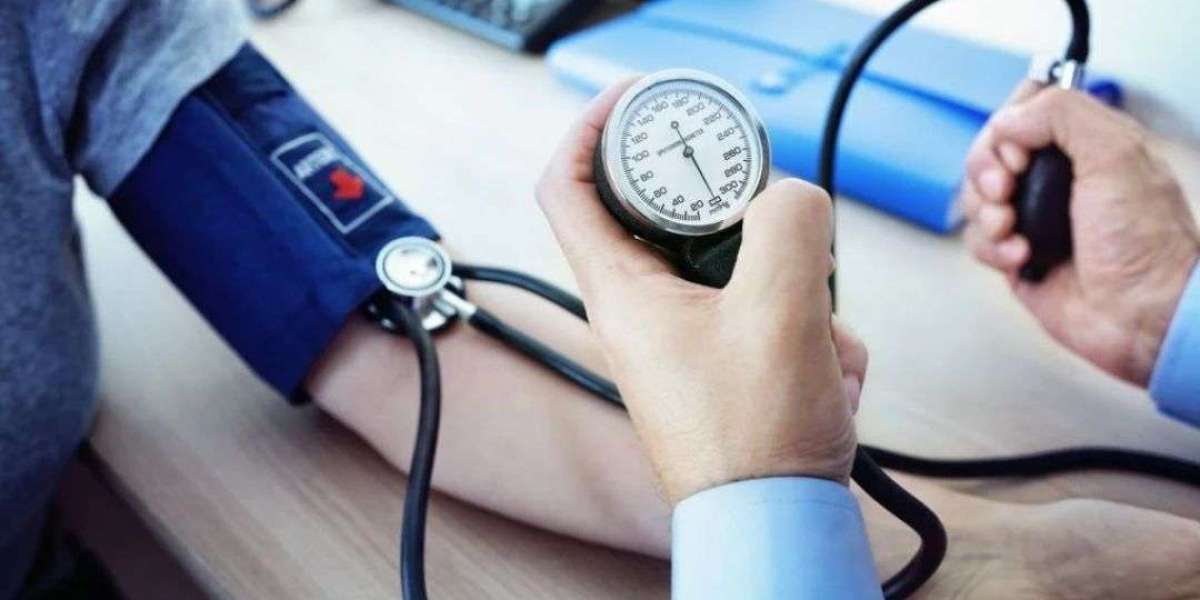

High blood pressure is one of the most common health concerns among adults in India, yet many people remain unaware of their condition until a routine health check reveals an elevated reading. Because hypertension often develops without noticeable symptoms, regular monitoring and timely medical advice are essential for protecting long-term heart health. Consulting an online doctor for high bp india can help you understand your blood pressure readings, review your medical history, and discuss appropriate treatment and lifestyle changes. Whether you have recently noticed elevated readings or have been managing hypertension for several years, learning about its warning signs, risk factors, and available treatment options can help you make informed decisions and reduce the risk of cardiovascular complications.
Understanding High Blood Pressure and Its Impact on Health
Blood pressure measures the force exerted by circulating blood against the walls of your arteries. It is recorded using two numbers.
Systolic pressure: The pressure when the heart contracts and pumps blood.
Diastolic pressure: The pressure when the heart relaxes between beats.
A reading of 120/80 mmHg is commonly used as a reference point for understanding blood pressure, but individual targets and diagnostic thresholds depend on clinical guidelines and personal circumstances.
Hypertension generally refers to blood pressure that remains above the recommended range. A healthcare professional usually considers repeated measurements and the patient's overall medical history before making a diagnosis.
Why high blood pressure can be dangerous
When blood pressure stays elevated over time, it places additional strain on the heart and blood vessels. This may damage artery walls and increase the risk of several health conditions.
Potential complications include:
Heart attack and coronary artery disease
Stroke
Heart failure
Chronic kidney disease
Damage to blood vessels in the eyes
Peripheral artery disease
The risk depends on several factors, including how high the blood pressure is, how long it has remained uncontrolled, and whether other conditions such as diabetes or high cholesterol are present.
The important point is that hypertension can often be managed effectively with appropriate monitoring, lifestyle changes, and medication when required.
What Are the Common Warning Signs of High Blood Pressure?
High blood pressure is often called a silent condition because many people experience no obvious symptoms, even when their readings are significantly elevated.
You should not rely on how you feel to determine whether your blood pressure is normal.
Headaches and dizziness
Some people report headaches or dizziness, but these symptoms have many possible causes and do not reliably indicate hypertension.
If you experience persistent symptoms, discuss them with a healthcare professional rather than assuming they are caused by blood pressure.
Blurred vision
Vision changes can occur in certain situations involving severely elevated blood pressure or damage to blood vessels. However, blurred vision may also have unrelated causes.
Sudden vision loss or sudden visual changes accompanied by weakness, confusion, or difficulty speaking require emergency assessment.
Breathlessness or chest discomfort
Breathlessness and chest discomfort should never be dismissed as routine signs of hypertension.
They may indicate a serious cardiovascular or other medical problem. Seek emergency care if these symptoms are severe, sudden, or accompanied by other warning signs.
Why regular measurement matters
Because symptoms are unreliable, accurate blood pressure measurements are the best way to identify possible hypertension.
Home monitoring can help your clinician understand patterns over time, while clinical assessment helps determine whether treatment is necessary.
Major Risk Factors for High Blood Pressure in India
Hypertension can affect adults of different ages and backgrounds. Some risk factors cannot be changed, while others can be managed through lifestyle changes and medical care.
1. Excessive salt intake
A diet high in sodium can contribute to elevated blood pressure in many people.
In India, common sources may include packaged snacks, pickles, papad, instant foods, restaurant meals, and excess salt added during cooking.
Reducing excessive salt intake can support blood pressure management.
2. Physical inactivity
Spending long periods sitting and engaging in little physical activity can contribute to weight gain and increase cardiovascular risk.
Regular movement, walking, cycling, and other suitable forms of exercise can support overall heart health.
3. Excess body weight
Carrying excess weight can increase the likelihood of hypertension and other metabolic conditions.
Gradual, sustainable weight management may help improve blood pressure in people for whom weight reduction is appropriate.
4. Diabetes and high cholesterol
Diabetes and unhealthy cholesterol levels can increase cardiovascular risk. When these conditions occur alongside hypertension, careful assessment becomes particularly important.
Your healthcare professional may recommend a broader evaluation that includes blood sugar, cholesterol, kidney function, and other relevant factors.
5. Smoking and tobacco use
Smoking and other tobacco use damage blood vessels and increase the risk of cardiovascular disease.
Stopping tobacco use is an important step toward protecting heart health.
6. Stress and insufficient sleep
Long-term stress and poor sleep can affect overall health and may contribute to difficulties managing blood pressure.
Maintaining a consistent sleep schedule, staying physically active, and using practical stress-management techniques can be beneficial.
7. Family history and age
The risk of hypertension tends to increase with age, and family history can also play a role.
Even if you cannot change these factors, regular monitoring and appropriate preventive care can help you manage your overall risk.
When Should You Consult an Online Doctor for High Blood Pressure?
Online consultations can be helpful for non-emergency concerns, reviewing home readings, and discussing ongoing treatment.
Consider arranging a consultation if any of the following situations apply.
Your readings are repeatedly elevated
If your blood pressure measurements are consistently above the recommended range, a doctor can assess whether additional monitoring or treatment is appropriate.
Do not ignore repeated high readings simply because you feel well.
You have recently started blood pressure medication
A follow-up appointment can help you discuss your response to treatment, possible side effects, and whether additional monitoring is needed.
Never change the dose or stop medication independently.
You have diabetes or kidney disease
These conditions may influence your blood pressure targets and treatment choices.
A clinician can help coordinate care and determine which tests or follow-ups are appropriate.
You have a family history of cardiovascular disease
If close relatives experienced heart disease or stroke at a relatively young age, discuss your cardiovascular risk with a healthcare professional.
Your doctor can advise whether additional screening or preventive measures are appropriate.
You need help understanding home readings
Blood pressure measurements can vary throughout the day. A doctor can help you understand whether the pattern is concerning and how to measure your blood pressure consistently.
How to Measure Blood Pressure Correctly at Home
Accurate measurement is essential because incorrect technique can produce misleading readings.
Follow these steps when using a home blood pressure monitor:
Avoid caffeine, smoking, and exercise for at least 30 minutes before measuring.
Empty your bladder if needed and sit quietly for five minutes.
Keep your back supported and both feet flat on the floor.
Rest your arm on a surface so that the cuff is at heart level.
Place the cuff on bare skin and use the correct cuff size.
Avoid talking during the measurement.
Take two readings about one minute apart.
Record both readings, along with the date and time.
Measure at the frequency recommended by your clinician. Do not take repeated measurements every few minutes out of anxiety unless you have been specifically instructed to do so.
Why keeping a blood pressure diary helps
A written or digital record can help your doctor identify patterns that may not be obvious from one reading.
Include the following information:
Date and time
Systolic and diastolic readings
Pulse, if your monitor displays it
Medication timing, when relevant
Any symptoms or unusual circumstances
Bring this record to your consultation so the doctor can assess the readings in context.
Treatment Options for High Blood Pressure
Hypertension treatment is individualized. The right approach depends on blood pressure levels, age, other health conditions, cardiovascular risk, and how the patient responds to treatment.
Lifestyle changes
Lifestyle measures are an important part of managing hypertension.
Your doctor may recommend reducing sodium intake, improving dietary quality, exercising regularly, managing weight, stopping tobacco use, and improving sleep.
For many adults, these changes can help lower blood pressure and support overall health. However, lifestyle changes alone may not be sufficient for everyone.
Blood pressure medication
When medication is needed, clinicians may prescribe medicines from several classes, including:
ACE inhibitors
Angiotensin receptor blockers (ARBs)
Calcium channel blockers
Thiazide or thiazide-like diuretics
Other medicines when clinically appropriate
The choice depends on your medical history, kidney function, other medications, potential side effects, and individual treatment goals.
Do not take another person's medication or use unverified remedies to lower blood pressure quickly.
Regular follow-up
Blood pressure treatment may need adjustment over time.
Follow-up appointments allow your clinician to assess readings, check medication tolerance, and determine whether further tests are needed.
Some patients may also need kidney function tests, electrolyte measurements, or other monitoring depending on the medicines prescribed.
The Connection Between High Blood Pressure and Cholesterol
Blood pressure and cholesterol are different measurements, but both are important indicators of cardiovascular health.
Hypertension places additional strain on artery walls. Elevated LDL cholesterol can contribute to plaque buildup inside arteries. When these risk factors occur together, the risk of cardiovascular complications can increase.
Why cholesterol screening matters
A lipid profile generally measures total cholesterol, LDL cholesterol, HDL cholesterol, and triglycerides.
A clinician interprets these results alongside blood pressure, diabetes status, smoking history, family history, and any previous cardiovascular disease.
An abnormal result does not automatically mean every patient needs the same treatment. Management depends on overall risk and clinical assessment.
How an online cholesterol consultation can help
A cholesterol consultation online india appointment may help you review your lipid profile, understand the role of diet and physical activity, and discuss whether medication or additional testing is appropriate.
This can be especially useful if you have both high blood pressure and elevated cholesterol.
Your doctor may develop a coordinated plan that addresses both conditions rather than treating each measurement in isolation.
Preparing for an Online Blood Pressure Consultation
Preparation helps you provide accurate information and use the appointment effectively.
Keep your medical records ready
Gather any recent blood pressure records, lipid profiles, blood sugar tests, kidney function reports, ECGs, and previous prescriptions that are relevant to your condition.
You do not need every possible test before making an appointment.
Prepare a medication list
Write down the names, doses, and timing of all medicines you take, including supplements and non-prescription products.
Mention any side effects or missed doses.
Describe your concerns clearly
Before the appointment, consider when your elevated readings began, whether they occur at particular times, and whether you have experienced any associated symptoms.
Be specific about your concerns, but do not delay emergency assessment to collect information.
Ask important questions
Useful questions include:
Are my readings consistently high?
Do I need further testing to confirm hypertension?
What blood pressure target is appropriate for me?
Should I make any changes to my existing treatment?
How frequently should I monitor my blood pressure?
Could my cholesterol or diabetes affect my cardiovascular risk?
When should I arrange a follow-up appointment?
Understanding the Cost of Online Cardiology Consultations in India
Online cardiology consultation fees vary depending on the doctor, platform, appointment duration, and services included.
Rather than assuming that every provider charges the same amount, compare the current pricing and service details before booking.
Factors that influence consultation fees
Doctor's qualifications and experience: Specialist training and clinical experience may influence consultation charges.
Appointment duration: A comprehensive first consultation may have a different fee from a short follow-up.
Platform features: Report sharing, digital prescriptions where appropriate, reminders, or follow-up arrangements may be included or charged separately.
Additional tests: Diagnostic investigations are generally separate from the consultation fee unless the provider explicitly states otherwise.
Follow-up policy: Some services charge for each appointment, while others may offer a defined follow-up arrangement.
How to compare services
When reviewing options, check the doctor's credentials, consultation process, privacy protections, and arrangements for further assessment.
A low fee should not be the only reason to choose a provider. Appropriate clinical care and clear communication are essential when managing a long-term condition.
How to Choose the Right Online Cardiologist
A suitable specialist should have relevant qualifications, explain medical information clearly, and provide recommendations based on your circumstances.
Before booking, consider these points:
Verify the doctor's medical registration and specialist credentials.
Review experience relevant to hypertension and cardiovascular risk management.
Confirm the consultation fee and any additional charges.
Check whether medical reports can be shared securely.
Understand how follow-up appointments are arranged.
Confirm that the service can recommend in-person care when necessary.
Avoid services that promise guaranteed cures, promote unproven treatments as substitutes for established care, or encourage you to stop prescribed medicines without medical assessment.
When High Blood Pressure Becomes an Emergency
Although routine hypertension management can often be discussed during a scheduled consultation, certain situations require urgent attention.
If your blood pressure is around 180/120 mmHg or higher, rest briefly and repeat the measurement correctly.
If the reading remains at that level, seek urgent medical advice.
If a very high reading occurs alongside chest pain, severe breathlessness, sudden weakness or numbness, confusion, difficulty speaking, or changes in vision, contact emergency services immediately.
Also seek emergency care for suspected heart attack or stroke symptoms even if you do not know your blood pressure.
An online appointment should never delay emergency treatment.
Everyday Habits That Support Better Blood Pressure Control
Consistent daily habits can support your medical treatment and improve overall cardiovascular health.
Eat a balanced diet
Choose vegetables, fruits, whole grains, legumes, nuts, and suitable protein sources more often.
Reduce excessive salt, highly processed foods, and foods high in added sugar or unhealthy fats.
Stay physically active
Many adults can aim for at least 150 minutes of moderate-intensity aerobic activity per week, such as brisk walking, if appropriate for their health.
Start gradually if you are inactive and seek medical advice before strenuous exercise if you have concerning symptoms or known heart disease.
Maintain a healthy weight
If weight loss is appropriate, gradual changes in food intake and physical activity may help improve blood pressure.
Avoid extreme diets or products that promise rapid, guaranteed results.
Prioritize sleep
Maintain a consistent sleep schedule and discuss persistent sleep problems with your healthcare professional.
Stop tobacco use
Quitting smoking and other tobacco products can reduce cardiovascular risk. Ask your doctor about available cessation support if needed.
Take medication consistently
Use prescribed medicines according to your clinician's instructions. If you experience side effects or have trouble taking medication regularly, discuss the problem rather than stopping treatment independently.
Conclusion
High blood pressure can often be managed effectively through accurate monitoring, appropriate medical treatment, and sustainable lifestyle changes. Recognizing cardiovascular risk factors and seeking timely professional advice can help reduce the likelihood of complications. Online consultations can provide convenient support for reviewing blood pressure readings, understanding cholesterol reports, and arranging follow-up care when remote assessment is suitable. However, severe symptoms and signs of a hypertensive emergency require urgent medical attention. Before scheduling an appointment, compare the specialist's qualifications, consultation process, and follow-up arrangements, as well as the cardiologist online consultation fees india, so you can make an informed choice about accessing appropriate heart care.