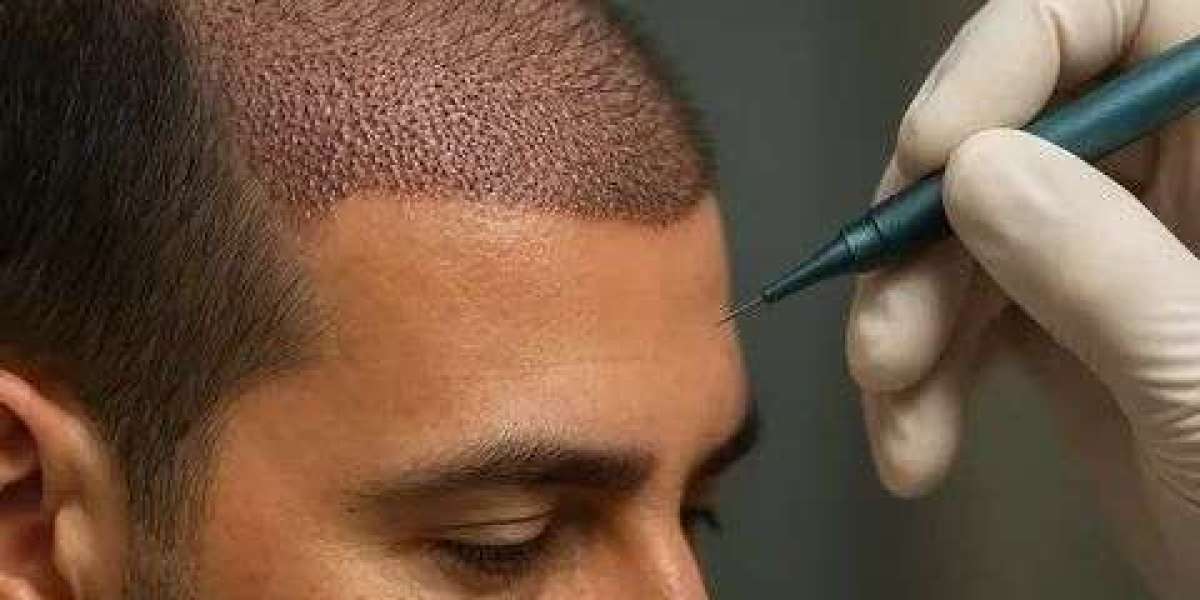

Hair loss can be a challenging experience that affects personal appearance, grooming habits, and self-confidence. Whether it begins with a receding hairline, thinning crown, or noticeable bald patches, losing hair can make people search for reliable ways to restore their natural look. Fortunately, advances in hair restoration have created new options for individuals experiencing certain types of permanent hair loss.
Modern hair transplant procedures focus on relocating healthy hair follicles to areas where hair has become thin or disappeared. With careful planning, suitable candidates may achieve natural-looking improvements that complement their facial features and existing hair. Understanding the available techniques, expected results, and importance of professional care can help people explore hair restoration with greater confidence.
Understanding the Causes of Hair Loss
Hair loss can develop for various reasons, including genetics, hormonal changes, medical conditions, nutritional deficiencies, and certain medications. Pattern hair loss is particularly common and often affects the temples, frontal hairline, and crown.
The effects of hair loss differ between individuals. Some people notice gradual thinning over several years, while others experience more visible changes within a shorter period. These changes may affect hairstyle choices and how comfortable people feel about their appearance.
Identifying the underlying cause is an important first step. A qualified medical professional can examine the scalp, review medical history, and determine whether hair loss is likely to continue. Depending on the diagnosis, medical treatment or lifestyle-related changes may be appropriate before considering surgery.
How Modern Hair Transplant Surgery Works
Hair transplantation is a surgical procedure that moves healthy hair follicles from a donor area, usually the back or sides of the scalp, into areas affected by thinning or baldness.
Because the procedure uses a person's own follicles, transplanted hair can blend naturally with existing growth when the treatment is carefully planned. These follicles can continue producing hair after successful healing.
Modern treatment planning also considers hairline shape, growth direction, donor hair availability, and the possibility of future hair loss. Rather than focusing only on filling bald areas, specialists aim to create a balanced appearance that suits the patient's facial features.
However, hair transplantation is not suitable for everyone. A professional assessment is necessary to determine whether sufficient donor hair is available and whether surgery is likely to achieve meaningful improvement.
Exploring Modern Hair Transplant Techniques
Two established surgical approaches are Follicular Unit Extraction (FUE) and Follicular Unit Transplantation (FUT). Both methods relocate hair follicles but differ in how the donor hair is collected.
Follicular Unit Extraction (FUE)
FUE involves extracting individual follicular units from the donor area and implanting them into areas requiring additional coverage. It generally leaves small, scattered scars rather than a single linear scar.
Some patients prefer FUE because of its harvesting method and flexibility with hairstyles after healing. However, careful extraction is essential, and excessive harvesting can affect the appearance of the donor area.
Follicular Unit Transplantation (FUT)
FUT involves removing a narrow strip of scalp from the donor area. The strip is separated into individual follicular units before they are transplanted.
This method may be appropriate for certain patients but typically leaves a linear scar. Donor hair characteristics, scalp flexibility, and hairstyle preferences help determine whether FUT is suitable.
Neither technique is automatically the best choice for every patient. A qualified surgeon should explain the advantages, limitations, possible complications, and recovery requirements before recommending a procedure.
Why Natural-Looking Results Matter
One of the main goals of modern hair restoration is to achieve results that look appropriate for the individual's age and facial structure. A poorly planned hairline may appear unnatural, even when hair growth is satisfactory.
A professional surgeon considers facial proportions, existing hair direction, hair texture, and the potential for future thinning. The hairline should complement the face rather than appear excessively low or perfectly straight.
Graft placement also matters. Follicles must be distributed carefully to provide coverage while protecting the donor supply for possible future needs. Patients with extensive hair loss may need to prioritize particular areas instead of expecting complete density across the scalp.
Realistic expectations help patients understand what transplantation can achieve and appreciate gradual improvements over time.
How Hair Restoration Can Support Confidence
For some individuals, hair loss creates frustration when choosing hairstyles or concerns about their changing appearance. Hair restoration may help suitable candidates feel more comfortable with their hair by improving coverage and hairline definition.
A fuller-looking hairline can make familiar hairstyles easier to maintain and may help people feel more satisfied with their personal style.
Nevertheless, confidence is personal, and a hair transplant cannot guarantee emotional or psychological benefits. The decision should reflect individual preferences rather than pressure from social expectations. Understanding the possible benefits and limitations is an important part of a positive treatment experience.
Recovery and Expected Hair Growth
After surgery, temporary redness, swelling, tenderness, and small scabs may appear around the treated areas. These effects generally improve as the scalp heals, although recovery differs between individuals.
Patients should follow their clinic's instructions about washing the scalp, physical activity, and protecting the transplanted follicles. Appropriate aftercare helps support healing and reduces avoidable complications.
Transplanted hairs commonly shed during the first few weeks. New growth develops gradually over the following months, and many patients notice visible improvement within six to twelve months. Final results may take longer.
Transplanted follicles can provide long-lasting growth, but untreated natural hair may continue to thin. Depending on the cause of hair loss, a medical professional may recommend additional treatment to help maintain existing hair.
Choosing a Reliable Hair Transplant Clinic
Selecting a qualified provider is essential for patient safety and realistic treatment planning. It is important to evaluate medical expertise rather than relying solely on promotional claims or discounted offers.
Before choosing a clinic, consider these factors:
- Medical qualifications: Verify the surgeon's credentials and experience in hair restoration.
- Personalized planning: Ensure the proposed hairline and graft distribution suit your individual needs.
- Documented results: Review before-and-after photographs of patients with similar hair loss patterns.
- Safety standards: Ask about hygiene and infection-control procedures.
- Aftercare support: Confirm that postoperative instructions and follow-up appointments are available.
- Transparent pricing: Request a clear breakdown of graft estimates and total treatment costs.
People researching the best hair transplant in Islamabad should compare qualified specialists, explore available techniques, and arrange consultations before committing to treatment. A trustworthy provider will discuss realistic outcomes, possible risks, and alternative options without promising guaranteed success.
Conclusion
Modern hair transplant techniques offer hope to suitable candidates who want to address permanent hair loss and improve their hair coverage. Methods such as FUE and FUT provide different approaches, allowing treatment to be tailored to individual circumstances.
The most important steps are obtaining an accurate assessment, choosing a qualified specialist, and maintaining realistic expectations about recovery and results. With personalized planning and appropriate aftercare, hair transplantation may become a valuable option for people seeking a natural-looking improvement.
Frequently Asked Questions (FAQs)
1. Why do modern hair transplants offer hope for hair loss?
Modern techniques allow specialists to relocate healthy follicles into thinning areas. Suitable candidates may achieve long-lasting improvements in hair coverage, although results vary.
2. Are FUE and FUT both effective hair transplant techniques?
Both methods can produce natural-looking results when appropriately planned. The best choice depends on donor hair quality, scalp characteristics, medical suitability, and personal goals.
3. How long does it take to see hair transplant results?
Visible hair growth often develops within six to twelve months, although final results may take longer. Individual healing and growth patterns vary.
4. How can I find the best hair transplant in Islamabad?
To find the best hair transplant in Islamabad for your needs, compare qualified surgeons, FUE and FUT options, documented results, safety standards, aftercare, and total treatment costs before making a decision.
For more information visit Enfield royal clinic in islamabad