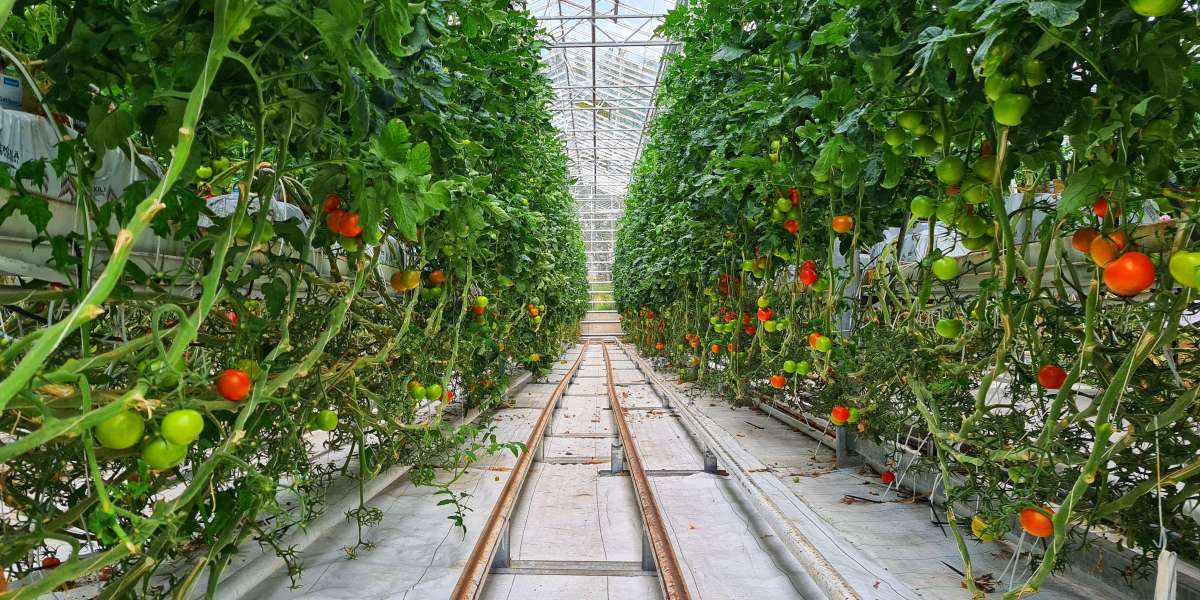

Sustainable farming has become an important consideration for agricultural businesses seeking to balance crop production with responsible resource management. Farmers must manage soil health, water availability, crop requirements, and changing weather conditions while maintaining productive agricultural operations. Smart agriculture solutions provide digital capabilities that can help address these responsibilities. By combining monitoring technologies, connected devices, and analytical tools, farmers can develop a clearer understanding of their fields and make decisions that support more sustainable farming practices.
The development of precision agriculture systems demonstrates how digital tools can support more targeted agricultural management. These systems can help farmers observe variations in soil conditions, evaluate crop development, and coordinate the application of agricultural inputs. Rather than treating every section of a field in exactly the same way, farmers can use available information to identify different requirements and plan suitable responses. This approach makes intelligent farming relevant to businesses interested in operational efficiency and responsible resource use.
Improving Water Management Through Smart Technologies
Water management is a major concern for many agricultural operations. Farmers need to provide sufficient moisture for crop development while avoiding unnecessary irrigation. Traditional irrigation practices may depend on fixed schedules or manual observations, which can make it difficult to respond quickly to changing field conditions.
Smart irrigation technologies can help address this challenge by using soil moisture sensors, environmental monitoring devices, and automated irrigation controls. These systems can provide information about moisture conditions and support decisions about when and where irrigation may be required.
Automated controls can also help farmers coordinate irrigation activities more conveniently. Depending on the system, farmers may be able to monitor equipment remotely and adjust irrigation schedules based on field requirements.
Although technology cannot remove every water-related challenge, better information can help agricultural businesses plan their water use more carefully. Local soil characteristics, crop varieties, weather conditions, and equipment capabilities must still be considered when choosing an irrigation strategy.
Supporting Soil Health and Crop Management
Healthy soil provides an essential foundation for agricultural productivity. Soil characteristics influence water retention, nutrient availability, root development, and overall crop performance. Smart agriculture solutions can support soil management by helping farmers collect and organize information about field conditions.
Sensors and digital mapping tools can help identify differences across agricultural land. This information may guide decisions about soil preparation, nutrient application, and crop placement. When farmers understand how field conditions vary, they can develop management practices that better reflect the needs of different areas.
Crop monitoring technologies also support sustainable agricultural planning. Digital observation tools can help farmers identify unusual changes in plant development and determine where closer inspection may be necessary. Early identification of potential problems can provide an opportunity to investigate their causes and consider suitable management responses.
These systems work most effectively when their information is interpreted alongside practical agricultural knowledge. Digital observations can guide attention, but field inspections and appropriate agronomic judgment remain important.
Reducing Unnecessary Agricultural Inputs
Fertilizers, pesticides, and other agricultural inputs play important roles in crop production, but their application requires careful management. Excessive or poorly timed applications may create unnecessary costs and environmental concerns.
Smart agriculture tools can help farmers assess crop conditions, organize application schedules, and identify areas that may need additional attention. Targeted application technologies can support more precise distribution of inputs where the equipment and field conditions allow it.
Crop monitoring platforms may also help farmers identify signs of plant stress or possible pest activity. This information can support further inspection and help determine whether a specific intervention is appropriate.
The objective is not to eliminate agricultural inputs entirely. Instead, intelligent management can help farmers make more informed decisions about their use, based on crop requirements and field conditions.
The Role of Data in Sustainable Farming
Agricultural data can connect information from different parts of a farming operation. Records related to irrigation, planting, crop development, equipment use, and input application can help farmers review previous decisions and identify recurring patterns.
Digital platforms can make these records easier to organize and access. Over time, consistent recordkeeping may help farmers compare farming practices, understand operational challenges, and refine their plans for future growing seasons.
However, the usefulness of agricultural data depends on its accuracy, accessibility, and relevance. Farmers need systems that present information clearly and allow them to act on it without unnecessary complexity.
Opportunities and Adoption Challenges
Smart agriculture solutions can contribute to more sustainable farming, but implementation may require investment, training, technical assistance, and reliable connectivity. Smaller farms may need affordable systems that address specific operational needs without requiring extensive infrastructure.
Technology providers can support adoption by offering scalable solutions, straightforward interfaces, and equipment that works with existing farming methods. Training can also help farmers understand how digital information relates to their agricultural decisions.
As sustainability becomes increasingly important in agricultural planning, smart agriculture solutions may continue to support better resource management and more responsive crop production. Their long-term value will depend on their ability to combine practical usability, sound agricultural knowledge, and effective digital monitoring.
FAQs
Q1. How do smart agriculture solutions support sustainable farming?
They can help farmers monitor resources, improve irrigation planning, manage agricultural inputs, and identify crop conditions that require attention.
Q2. Can smart agriculture technologies improve soil management?
Yes. Soil monitoring, digital field mapping, and organized agricultural records can help farmers understand field variability and make more informed soil management decisions