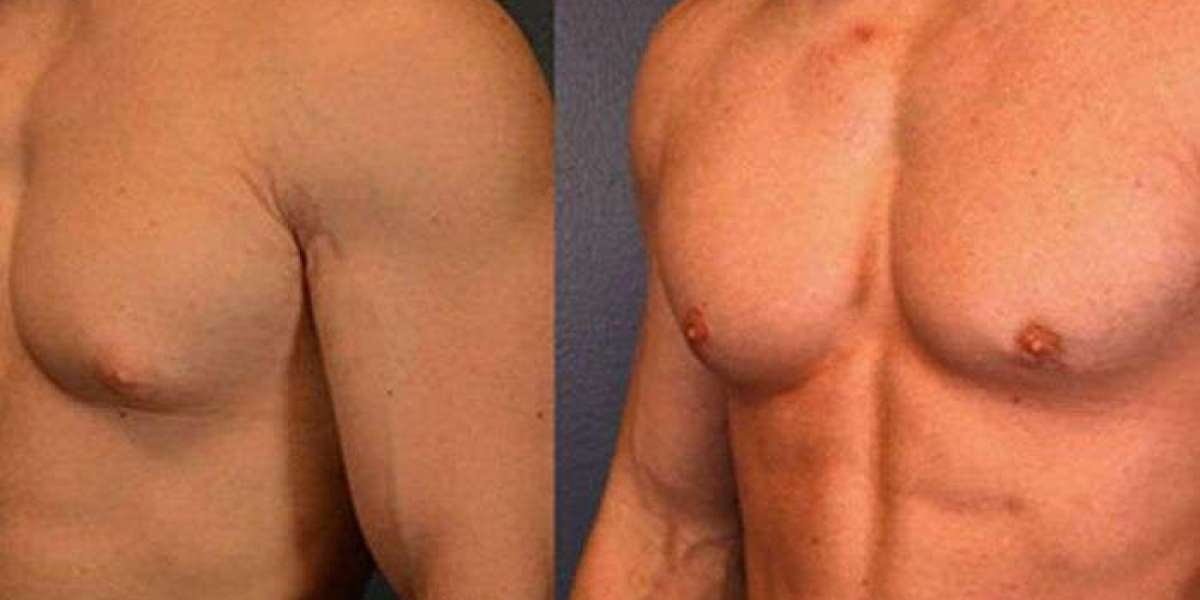

Understanding what causes male breast enlargement is an important step before considering treatment. Gynecomastia can involve glandular breast tissue, excess fat, loose skin, or a combination of these factors, and each situation may require a different approach. Gynecomastia surgery in Riyadh can help suitable men improve chest contour by addressing the specific tissue contributing to unwanted fullness and creating a flatter, more proportionate appearance.
What Is Male Breast Tissue?
Male breasts naturally contain a small amount of glandular tissue beneath the nipple and areola. When this tissue becomes enlarged because of hormonal changes or other factors, it may create a noticeable chest bulge. The tissue can feel firmer than surrounding fat and may develop on one or both sides. Understanding this distinction helps explain why some men continue to have chest fullness even after losing weight or exercising regularly.
Glandular Tissue vs. Fatty Tissue
Glandular tissue and fatty tissue are not the same. Glandular enlargement is often associated with a firm area beneath the nipple, while fatty tissue tends to feel softer and may be distributed more broadly across the chest. Some men have both types of tissue. Identifying the dominant component allows the surgeon to consider the most appropriate method for improving the chest contour.
Why Understanding Tissue Matters Before Surgery
The success of chest contouring depends partly on accurately identifying what is causing the enlargement. Removing only fatty tissue may not adequately correct prominent glandular tissue, while addressing glandular tissue alone may leave unwanted fullness when excess fat is also present. A detailed examination allows treatment to be planned around the patient's specific anatomy rather than relying on a one-size-fits-all technique.
Factors That May Affect Breast Tissue
Several factors can influence the development of gynecomastia. Hormonal fluctuations, puberty, aging, genetics, certain medications, weight changes, and some medical conditions may contribute. Because the underlying cause can differ between individuals, medical history and physical examination are important parts of the assessment process before deciding whether surgery is appropriate.
How Is Gynecomastia Evaluated?
A consultation generally begins with a discussion of symptoms, medical history, medications, lifestyle factors, and personal concerns. The surgeon examines the chest to assess tissue composition, skin quality, symmetry, and the extent of enlargement. In some situations, additional medical evaluation may be recommended to investigate an underlying cause. This assessment helps determine whether surgical correction is suitable and which approach may provide the best contour.
Why Skin Quality Is Important
Skin elasticity can influence the final chest appearance after excess tissue is removed. Younger skin may contract more readily, while significant enlargement or major weight loss can leave additional loose skin. The surgeon considers skin quality when planning treatment because the goal is to achieve a smooth transition and balanced chest shape rather than simply reducing volume.
Surgical Techniques for Different Tissue Types
Treatment is selected according to the patient's anatomy. Liposuction may be appropriate when excess fatty tissue contributes substantially to chest fullness. Surgical excision may be needed when firm glandular tissue is present. In some cases, combining both techniques can provide more comprehensive contouring. The specific approach is determined during consultation based on individual needs and surgical goals.
Creating a Natural Chest Contour
A natural result requires attention to proportion and symmetry. Excess tissue must be reduced carefully to avoid an overly hollow appearance or uneven contours. The surgeon considers the relationship between the chest, shoulders, abdomen, and surrounding areas when planning correction. This balanced approach can help create a chest that looks more natural rather than visibly altered.
Preparing for Gynecomastia Surgery
Preparation involves following the surgeon's instructions before the procedure. Patients may receive guidance about medications, supplements, smoking, eating and drinking, and arrangements for transportation and recovery support. Providing complete and accurate medical information is important because it allows the medical team to identify factors that could influence surgery or healing.
What to Expect During Recovery
Recovery depends on the extent of tissue removal and the techniques used. Temporary swelling, bruising, tightness, and sensitivity may occur during the initial healing period. Patients are typically provided with instructions for wound care, activity restrictions, medications, and follow-up appointments. A compression garment may also be recommended to support the treated area while it heals.
How the Chest Changes During Healing
The chest may appear swollen immediately after surgery, making the final contour difficult to assess. As inflammation gradually decreases, the treated tissues settle and definition becomes more noticeable. Following postoperative instructions and avoiding strenuous activities until medically cleared can support the healing process and help protect the developing contour.
Benefits of Addressing the Right Tissue
When the underlying tissue is correctly identified and appropriately treated, surgery can improve chest definition and body proportions. Men may feel more comfortable in fitted clothing and become less self-conscious during physical or social activities. Gynecomastia surgery in Riyadh provides an option for suitable patients seeking targeted correction of persistent chest enlargement.
Understanding Possible Risks
As with any surgical procedure, gynecomastia correction carries potential risks. These can include infection, bleeding, scarring, changes in sensation, asymmetry, contour irregularities, or the possibility of further correction. A detailed consultation allows patients to discuss these considerations and understand how their individual health and anatomy may influence the procedure.
Book an Appointment at Royal Clinic Saudi
If you are unsure whether your chest enlargement is caused by glandular tissue, excess fat, or both, a professional assessment can provide greater clarity. Royal Clinic Saudi offers personalized consultations to evaluate individual chest concerns and discuss suitable treatment options. Schedule an appointment to explore whether Gynecomastia surgery in Riyadh can help you achieve a flatter and more defined chest.
FAQs:
What is the difference between gynecomastia and chest fat?
Gynecomastia may involve firm glandular tissue, while chest fat is primarily fatty tissue.
Can weight loss remove glandular breast tissue?
Weight loss may reduce fat but generally does not remove established glandular tissue.
Why is tissue type important for surgery?
It helps the surgeon select the most appropriate technique for chest contouring.
Can gynecomastia affect one side only?
Yes. Enlargement can occur on one or both sides of the chest.