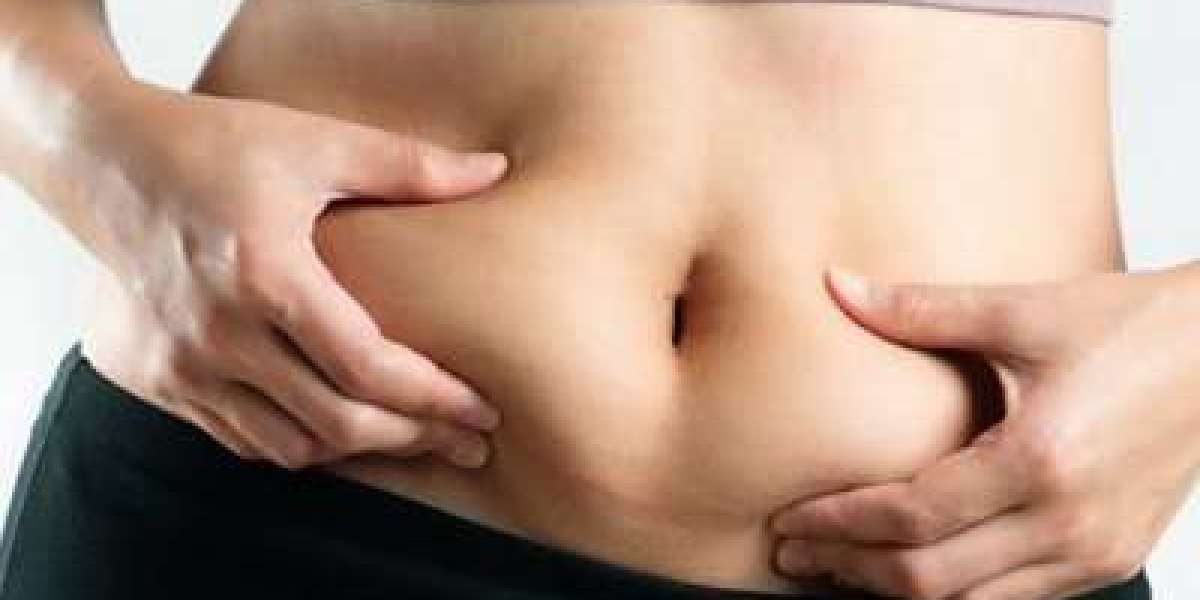

Liposuction is a popular cosmetic procedure designed to remove stubborn pockets of fat and improve body contours. For individuals who maintain a healthy lifestyle but struggle with fat deposits in specific areas, this procedure may offer a way to achieve a more proportionate appearance. However, liposuction is not suitable for everyone, and understanding the requirements for treatment is an important step before making a decision.
For people researching Liposuction Surgery in Muscat, learning about eligibility, potential benefits, safety considerations, and recovery expectations can help them make an informed choice. The ideal candidate is generally someone who is close to their target weight, has localized fat deposits that do not respond to diet and exercise, and understands what the procedure can realistically achieve.
Liposuction is a body-contouring treatment rather than a weight-loss solution. A qualified medical professional can assess an individual's health, skin quality, body composition, and expectations to determine whether the procedure is appropriate.
1. Understanding Liposuction and Its Purpose
Liposuction is a surgical procedure that removes excess fat from selected areas of the body using specialized instruments. Depending on the treatment plan, it may be performed on areas such as the abdomen, waist, hips, thighs, upper arms, back, chin, or neck.
The procedure is intended to reshape specific areas by reducing localized fat deposits. It does not treat obesity, eliminate cellulite reliably, or directly tighten significantly loose skin. It is also not a substitute for healthy eating habits or regular physical activity.
Fat can accumulate in certain parts of the body because of genetics, hormonal changes, aging, and individual fat distribution patterns. Even when a person follows a balanced diet and exercises consistently, some areas may remain resistant to change.
In these circumstances, liposuction may help create smoother body contours. The results depend on factors such as the amount and location of fat removed, skin elasticity, overall health, and the individual's healing response.
Anyone considering Liposuction Surgery in Muscat should first understand that the goal is improved body proportion rather than achieving a particular number on the weighing scale.
2. Who Is the Ideal Candidate for Liposuction Surgery?
Although eligibility varies from person to person, several characteristics may indicate that someone is a suitable candidate. A comprehensive consultation is necessary because meeting general criteria does not automatically mean that surgery is safe or appropriate.
Individuals Close to Their Target Weight
The most suitable candidates are generally at or near a stable, healthy weight. Liposuction is designed to address localized fat deposits rather than produce substantial weight loss.
People who are significantly overweight or experiencing ongoing weight fluctuations may benefit from discussing weight management options before considering surgery. Reaching a stable weight can help make the treatment plan more predictable and support longer-lasting results.
People With Stubborn Fat Deposits
Liposuction may be appropriate for individuals who have persistent fat in specific areas despite maintaining healthy lifestyle habits.
Common treatment areas include:
Abdomen and waist
Hips and flanks
Inner and outer thighs
Upper arms
Back and bra-line area
Chin and neck
The presence of localized fat does not necessarily indicate poor health. Body fat distribution varies naturally, and some deposits may remain noticeable even in otherwise healthy individuals.
A medical assessment helps determine whether the area can be treated effectively and whether liposuction is likely to produce the desired improvement.
Individuals With Good Skin Elasticity
Skin elasticity plays an important role in the final appearance after fat removal. Skin that can contract naturally is more likely to adapt to the body's new contours.
People with relatively firm, elastic skin may experience smoother results than those with substantial skin laxity. If the skin is significantly loose following pregnancy, aging, or major weight loss, liposuction alone may not address the concern.
In such cases, another treatment or a combination of procedures may be discussed. The most appropriate option depends on the individual's anatomy, medical history, and personal goals.
People With Realistic Expectations
A good candidate understands both the possibilities and the limitations of liposuction. The procedure can improve body contours, but it cannot guarantee perfect symmetry or a specific body shape.
It also does not prevent future weight gain. Maintaining a stable weight and following healthy habits remain important after surgery.
Individuals who want a modest improvement in a particular area and understand the recovery process are generally better prepared for treatment than those expecting dramatic weight loss or a complete transformation.
3. Health Conditions and Factors That May Affect Eligibility
General health is an essential part of determining whether liposuction is appropriate. Even when a person has stubborn fat deposits and good skin elasticity, certain medical conditions may increase surgical risks.
During the initial consultation, the medical professional will usually review medical history, current medications, previous surgeries, allergies, and lifestyle habits. Depending on the individual's circumstances, additional examinations or tests may be necessary.
Conditions that require careful assessment include:
Heart or lung disease
Diabetes, particularly when blood sugar is poorly controlled
Blood-clotting disorders
Conditions that affect wound healing
Significant circulation problems
A history of blood clots
Smoking or nicotine use
Having one of these conditions does not automatically rule out surgery in every case. However, the risks must be evaluated, and treatment may need to be postponed or avoided if the potential complications outweigh the expected benefits.
Certain medications and supplements can also influence bleeding or anesthesia risks. Patients should provide a complete list of everything they take and should not stop prescribed medication without medical advice.
Pregnancy and the period of physical recovery after childbirth are additional considerations. Liposuction is not a treatment for pregnancy-related weight gain, and elective cosmetic surgery is generally postponed during pregnancy. Individuals who have recently given birth may benefit from waiting until their weight and body shape have stabilized.
For anyone exploring Liposuction Surgery in Muscat, choosing a qualified surgeon who can assess individual risks is more important than relying solely on advertised results or general eligibility guidelines.
4. When Liposuction May Not Be the Right Choice
Liposuction is not the best option for every body-contouring concern. Understanding when it may be unsuitable helps individuals avoid unnecessary procedures and explore alternatives that better match their needs.
People Seeking Major Weight Loss
Individuals hoping to lose a large amount of weight may require a structured weight-management plan rather than cosmetic fat removal. Liposuction removes a limited amount of fat from selected areas and is not intended to treat obesity or its related health risks.
A healthcare professional can help determine whether lifestyle changes, medical weight-management support, or other treatments would be more appropriate.
Individuals With Significant Loose Skin
When the main concern is excess skin rather than localized fat, liposuction may not provide the desired result. Removing fat without addressing loose skin can sometimes make sagging more noticeable.
Depending on the area and degree of skin laxity, a different procedure or a combined surgical approach may be considered. The benefits and risks of each option should be explained before a decision is made.
People With Unrealistic or Unclear Goals
It is important to identify the specific concern that the procedure is expected to address. Someone who expects liposuction to eliminate cellulite, treat stretch marks, or prevent future weight gain may be disappointed because these are not its primary functions.
A consultation provides an opportunity to discuss achievable outcomes and understand what surgery cannot accomplish. If expectations cannot be met safely or realistically, postponing treatment may be the most appropriate decision.
5. What to Expect Before, During, and After Liposuction Surgery in Muscat
Understanding the treatment journey can help individuals prepare for surgery and recovery.
Before the Procedure
The process generally begins with a consultation and physical assessment. The surgeon evaluates the areas of concern, skin quality, general health, and expectations.
A personalized treatment plan may include recommendations about medications, smoking cessation, preoperative tests, and preparation for anesthesia. Patients should also arrange transportation home and assistance during the early recovery period if needed.
It is important to discuss the expected results, possible complications, recovery time, and the total scope of treatment before providing consent.
During the Procedure
Liposuction is performed using small incisions and a narrow tube called a cannula to remove targeted fat. The technique, anesthesia, and treatment duration depend on the areas being treated and the individual's needs.
The procedure is carried out in an appropriate medical setting by qualified professionals. Safety planning includes assessing the amount of fat to be removed and monitoring the patient throughout treatment.
After the Procedure
Recovery varies according to the extent of surgery and individual healing. Swelling, bruising, tenderness, and temporary changes in sensation are common during the early stages.
Compression garments may be recommended to help manage swelling and support the treated areas. Patients should follow their postoperative instructions, attend scheduled follow-up appointments, and gradually return to activity as advised.
Some individuals resume light daily activities within a few days, while strenuous exercise may need to be postponed for several weeks. The exact timeline depends on the procedure and the surgeon's recommendations.
Initial changes may be visible relatively soon, but swelling can take weeks or months to settle. Final contours often become clearer over several months.
Liposuction also carries risks, including infection, bleeding, fluid accumulation, contour irregularities, anesthesia-related complications, and blood clots. Rare but serious complications can occur. Severe or worsening pain, chest pain, breathing difficulties, fainting, or one-sided leg swelling require urgent medical attention.
6. How to Prepare for a Consultation and Make an Informed Decision
For individuals considering Liposuction Surgery in Muscat, a well-planned consultation is an opportunity to understand the procedure and decide whether it aligns with their needs.
Before the appointment, patients can write down their main concerns, relevant medical conditions, medications, and questions about recovery. Bringing a clear understanding of their goals helps the surgeon recommend an appropriate approach.
Important questions to ask include:
Is liposuction suitable for the specific area of concern?
What results are realistic for the individual's body type?
Which technique and anesthesia options are appropriate?
What are the possible risks and complications?
How long will recovery and activity restrictions last?
What follow-up care will be required?
What is included in the overall treatment plan and associated fees?
It is also important to verify the surgeon's qualifications, relevant surgical experience, and the standards of the facility where the procedure will take place. Patients should feel comfortable asking questions and requesting clear explanations before making a commitment.
Cost may be influenced by the number of areas treated, the technique used, anesthesia, facility fees, and postoperative care. Rather than focusing only on the lowest quoted amount, individuals should understand what the treatment includes and whether appropriate safety measures and follow-up arrangements are provided.
Ultimately, the decision should be based on medical suitability, realistic expectations, safety, and personal preferences. There is no need to rush into cosmetic surgery, and a second opinion may be helpful when important questions remain unanswered.
Frequently Asked Questions About Liposuction Surgery in Muscat
1. Who is the best candidate for liposuction surgery?
The best candidate is generally a healthy adult who is close to a stable, healthy weight, has localized fat deposits that persist despite diet and exercise, and has reasonably good skin elasticity. A medical consultation is necessary to assess individual suitability and surgical risks.
2. Can liposuction help someone lose weight?
Liposuction is not designed for significant weight loss. It removes localized fat to improve body contours. Individuals seeking substantial weight reduction should discuss appropriate weight-management options with a healthcare professional.
3. Which body areas can be treated with liposuction?
Common treatment areas include the abdomen, waist, hips, thighs, upper arms, back, chin, and neck. The appropriate areas depend on body anatomy, skin quality, health, and the surgeon's assessment.
4. How long does it take to recover from liposuction?
Recovery depends on the extent of the procedure and the individual's healing response. Light activities may be possible within days, but strenuous exercise can require several weeks of restriction. Swelling may persist for weeks or months, and final results can take several months to become apparent.
5. Are the results of liposuction permanent?
Fat cells removed during liposuction do not grow back in the same way, but remaining fat cells can enlarge if weight increases. Maintaining a stable weight through balanced nutrition and regular physical activity helps preserve the results.
6. Is liposuction safe for everyone?
No. Liposuction is surgery and carries risks. Certain medical conditions, medications, smoking, and other factors may increase the likelihood of complications. A qualified surgeon must evaluate each individual and determine whether the potential benefits outweigh the risks.
Final Thoughts
The ideal candidate for liposuction is someone seeking targeted body contouring rather than a major reduction in body weight. Being close to a stable weight, having localized fat deposits, maintaining good general health, and understanding realistic outcomes can all contribute to a more suitable treatment experience.
For those researching Liposuction Surgery in Muscat, the most important step is a thorough consultation with a qualified medical professional. Careful assessment, clear communication, appropriate surgical planning, and responsible aftercare help individuals make informed decisions about their body-contouring goals.
Every person has different needs, and the right approach depends on individual health, anatomy, expectations, and preferences. A well-informed decision should always prioritize safety and long-term well-being over quick results.