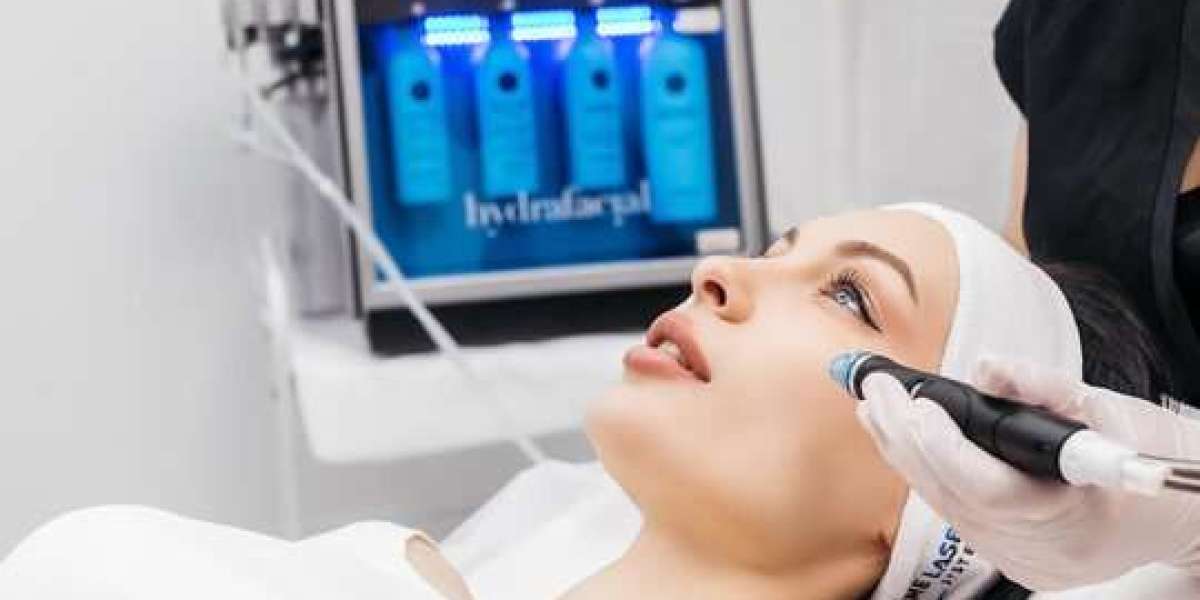

Choosing a suitable clinic for a Hydrafacial treatment involves more than comparing prices or looking at before-and-after pictures. The quality of care, hygiene practices, equipment maintenance, practitioner knowledge, and personalized treatment planning can all influence the experience and results. A Hydrafacial is a non-invasive skincare procedure designed to cleanse the skin, exfoliate dead skin cells, extract impurities, and deliver hydrating ingredients. However, individual results depend on skin condition, the products used, and the suitability of the treatment for each person.
When searching for a Hydrafacial in Islamabad, patients should prioritize professional standards and responsible skincare practices rather than relying solely on promotional claims. A well-managed clinic should explain the procedure, assess the patient's skin, discuss realistic expectations, and provide appropriate aftercare guidance.
Understanding these factors helps patients make informed decisions and select a clinic that values both skincare outcomes and overall well-being.
Evaluate Hygiene and Treatment Standards
Hygiene is one of the most important factors when selecting a skincare clinic. Although Hydrafacial is a non-surgical procedure, the treatment involves close contact with facial skin and specialized equipment. Poor infection-control practices can increase the risk of irritation, contamination, or other complications.
Before booking an appointment, consider whether the clinic follows appropriate cleanliness and safety procedures.
Clean treatment rooms: Treatment areas should be visibly clean, organized, and maintained between appointments.
Properly handled equipment: Reusable components should be cleaned and disinfected according to manufacturer instructions, while single-use components should not be reused.
Safe product handling: Skincare solutions should be stored correctly and used within their recommended shelf life.
Hand hygiene: Practitioners should follow appropriate handwashing and infection-prevention practices.
Transparent procedures: Staff should be willing to explain how equipment is maintained and what safety precautions are followed.
A professional clinic should never dismiss questions about hygiene. Clear explanations can help patients understand the precautions taken during their skincare appointment.
Check Practitioner Qualifications and Experience
The person performing a Hydrafacial should understand skin health, treatment techniques, equipment operation, and potential adverse reactions. Experience is valuable, but appropriate training and professional accountability are equally important.
During your consultation, ask who will perform the procedure and what training they have received. Depending on the clinic and local requirements, treatment may be provided by a qualified skincare professional or another appropriately licensed practitioner.
A knowledgeable provider should be able to explain:
How the procedure works and what each stage involves.
Which skin concerns may respond to the treatment.
Whether the procedure is appropriate for your current skin condition.
Which ingredients or treatment options may be unsuitable for you.
What side effects, such as temporary redness or sensitivity, may occur.
Patients with active skin infections, significant irritation, certain inflammatory skin conditions, or known ingredient allergies may need to postpone treatment or obtain medical advice first.
Rather than choosing a clinic based on claims such as “instant flawless skin,” look for professionals who explain both the benefits and limitations of the procedure.
Look for Personalized Skin Assessment
Every person's skin has different needs. Some individuals experience dryness and dullness, while others are concerned about excess oil, clogged pores, uneven texture, or dehydration. A responsible clinic should not automatically recommend the same treatment approach to every patient.
An initial skin assessment helps the practitioner understand the patient's concerns, medical history, skincare routine, and treatment expectations.
A thorough consultation may include:
Identifying the primary skin concerns.
Discussing allergies, sensitivities, and current skincare products.
Reviewing relevant medical history and previous cosmetic treatments.
Evaluating whether exfoliation and extraction are appropriate.
Explaining suitable treatment options and possible alternatives.
Personalized planning is particularly important for sensitive or reactive skin. Strong exfoliation or unsuitable products may aggravate certain conditions, so treatment intensity and ingredients should be selected carefully.
A clinic that takes time to assess your skin demonstrates a more patient-centered approach than one that recommends a procedure without asking relevant questions.
Examine Equipment Quality and Product Safety
The quality and proper maintenance of treatment equipment can influence the consistency and safety of the procedure. Patients should ask whether the clinic uses genuine Hydrafacial equipment or another device offering a similar hydrodermabrasion treatment.
These procedures may share certain features, but they should not automatically be considered identical.
Before proceeding, ask the clinic about:
The device used and its intended purpose.
Whether equipment is maintained according to manufacturer guidance.
The origin and suitability of treatment solutions.
The ingredients included in any additional serums or skincare products.
The precautions used to minimize irritation and contamination.
Patients should also be cautious about exaggerated claims. A Hydrafacial may improve temporary dryness, surface texture, and the appearance of clogged pores, but it cannot guarantee permanent pore reduction, eliminate every acne concern, or reverse all signs of ageing.
Realistic explanations are an important sign that a clinic prioritizes informed consent over sales promises.
Assess Consultation Quality and Patient Communication
A good consultation should leave patients feeling informed rather than pressured. Before beginning treatment, the practitioner should explain what will happen, how long the procedure may take, what sensations to expect, and which results are realistic.
Patients should have enough time to ask questions and decide whether they wish to proceed.
Look for a clinic that:
Explains treatment benefits and limitations in understandable language.
Discusses possible side effects and contraindications.
Provides clear information about the treatment plan and total cost.
Answers questions without making guaranteed-result claims.
Respects the patient's preferences and consent.
Reviews can help you understand other patients' experiences, but they should not be the only basis for your decision. Consider patterns in feedback about communication, cleanliness, staff professionalism, and follow-up support instead of relying exclusively on star ratings or promotional photographs.
Review Aftercare and Follow-Up Support
Skincare does not end when the treatment session finishes. Appropriate aftercare can help reduce irritation and support the skin's recovery.
Following a Hydrafacial, patients may generally be advised to use gentle skincare products, moisturize appropriately, and protect their skin from the sun. The exact recommendations depend on the individual's skin condition and any additional treatments performed.
A responsible clinic should explain:
Which skincare products to use or temporarily avoid.
When to resume exfoliating products, retinoids, or other active ingredients.
How to protect the skin from ultraviolet exposure.
Which reactions are expected and which symptoms require medical advice.
When to contact the clinic if persistent irritation or an unexpected reaction develops.
Patients should seek professional medical advice for severe pain, significant swelling, blistering, or other concerning symptoms rather than attempting to manage them independently.
Follow-up guidance is especially valuable for first-time patients because it helps them understand how to care for their skin after the procedure.
Compare Pricing Without Compromising Care
Cost is an important consideration, but the cheapest option is not necessarily the best value. Prices may differ because of the equipment used, treatment duration, included products, practitioner qualifications, and additional skincare services.
When comparing clinics, ask for a clear breakdown of what the advertised price includes.
Consider these factors:
Whether the consultation is included.
Which treatment steps and products are provided.
Whether optional add-ons involve additional charges.
Whether the clinic explains the expected number of sessions, if more than one is recommended.
Whether the proposed plan is appropriate for your skin concerns and budget.
Be cautious of offers that pressure you into purchasing multiple sessions before your skin has been assessed. A professional recommendation should be based on individual needs rather than a sales package.
Why Consider SKN Cosmetics in Islamabad?
Patients exploring skincare services can consider SKN Cosmetics in Islamabad as one option when comparing clinics for a Hydrafacial. When evaluating the clinic, prospective patients should ask about practitioner training, treatment equipment, hygiene procedures, product suitability, and the consultation process before booking.
It is also useful to discuss your particular skin concerns, whether you have sensitive skin, and what you hope to achieve through the procedure. Ask for a clear explanation of the treatment steps, possible reactions, pricing, and aftercare instructions.
Rather than choosing a provider based on promotional language alone, assess the information available during your consultation and determine whether the proposed treatment plan meets your needs.
The best clinic for an individual is one that communicates clearly, follows appropriate treatment standards, respects patient consent, and makes recommendations based on a careful assessment of the skin.
Final Checklist Before Booking a Hydrafacial
Use this checklist to compare clinics and make a more informed choice.
Confirm the qualifications and training of the person performing the treatment.
Ask about equipment maintenance, hygiene, and product safety.
Ensure a skin assessment takes place before treatment.
Request clear information about costs and possible side effects.
Check whether realistic expectations and aftercare are discussed.
Avoid providers who guarantee perfect results or pressure you to buy packages.
Choose a clinic where you feel comfortable asking questions.
By evaluating these factors together, patients can make a more confident decision when selecting a provider for Hydrafacial in Islamabad. Treatment standards, personalized care, and transparent communication should remain central to the decision-making process.
Frequently Asked Questions (FAQs)
What should I look for when choosing a Hydrafacial clinic?
Look for qualified practitioners, good hygiene, appropriate equipment, personalized skin assessments, and clear aftercare instructions.
Is Hydrafacial suitable for every skin type?
No. Many skin types may benefit, but active irritation, certain skin conditions, and ingredient sensitivities may require adjustments or alternative treatments.
How can I check a clinic's treatment standards?
Ask about practitioner training, equipment maintenance, infection-control procedures, product safety, and the consultation process.
How often should I get a Hydrafacial?
Frequency depends on your skin condition, treatment goals, and practitioner recommendations. Not everyone needs frequent sessions.
What should I avoid after a Hydrafacial?
Follow your provider's instructions. You may need to temporarily avoid harsh exfoliants or irritating active ingredients and should use appropriate sun protection.