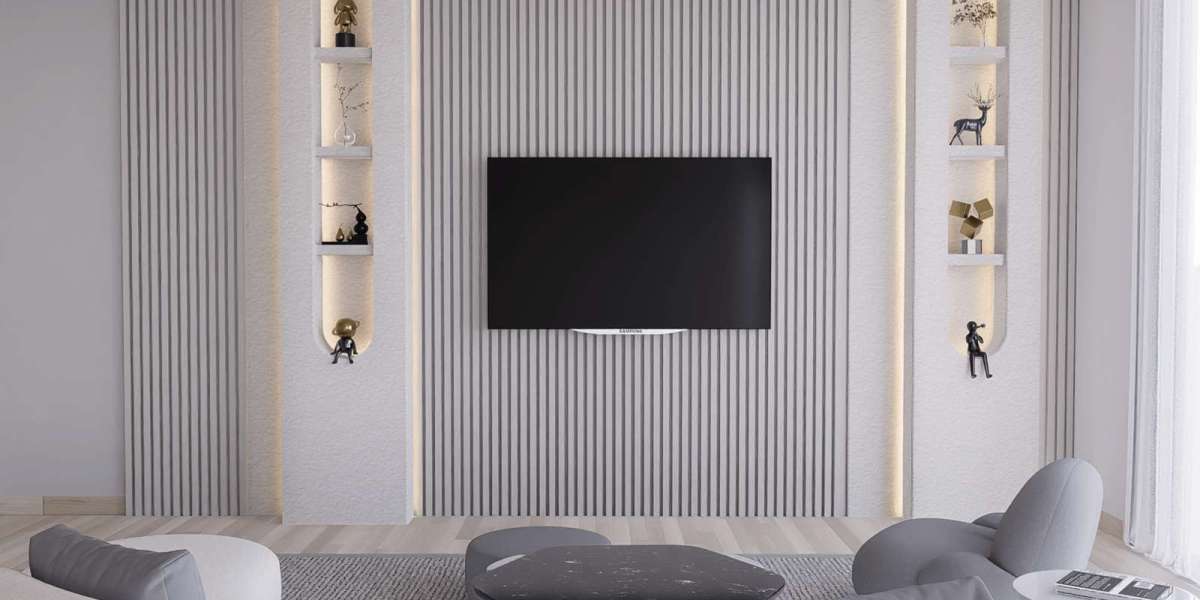

A modern living room should combine comfort, functionality, and attractive design. One of the most important elements in many living rooms is the television, which serves as a source of entertainment and often becomes the focal point of the space. With the right placement and design, a wall television can transform an ordinary living room into a stylish, organized, and contemporary environment.
Wall-mounted televisions are popular because they save floor space, reduce clutter, and create a clean appearance. Whether you prefer a minimalist interior, a luxurious entertainment wall, or a cozy family living room, there are many ways to incorporate a television into your home decor. From decorative wall panels to floating shelves and integrated lighting, thoughtful design choices can make your entertainment area both practical and visually appealing.
In this guide, we explore creative wall television ideas, practical installation tips, and modern design trends to help you create a living room that reflects your personal style.
Why Choose a Wall Television for Your Living Room?
Mounting a television on the wall offers several advantages over placing it on a traditional TV stand. It creates additional floor space, makes furniture arrangements more flexible, and can help the room appear more spacious.
A wall-mounted television also allows homeowners to design a dedicated entertainment area. Instead of having cables, media devices, and accessories scattered across a cabinet, you can organize everything into a coordinated arrangement.
Another benefit is flexibility. Different mounting brackets allow you to choose a fixed position or, where appropriate, an adjustable angle. This can be particularly useful in open-plan living rooms or spaces where people watch television from different seating positions.
However, a successful installation requires more than simply attaching the television to a wall. Screen height, viewing distance, wall construction, cable management, and surrounding decor should all be considered before installation begins.
1. Create a Minimalist Wall Television Design
Minimalist interiors focus on simplicity, clean lines, and uncluttered spaces. A wall television fits naturally into this design style because it eliminates the need for bulky entertainment furniture.
For a minimalist look, mount the television against a plain wall painted in white, beige, light grey, or another neutral shade. Keep decorative accessories to a minimum and use concealed storage for media devices.
A slim floating shelf beneath the screen can provide space for a soundbar or a few carefully selected decorative items. Choose furniture with simple shapes and finishes that complement the rest of the living room.
This approach works especially well in smaller apartments, where excessive decoration can make the space feel crowded. By keeping the television area simple, you can create a clean and relaxing environment without sacrificing functionality.
2. Install Decorative Wooden Wall Panels
Wooden wall panels can add warmth, texture, and sophistication to a television area. They work well in modern, Scandinavian, contemporary, and luxury-inspired interiors.
You can install vertical wooden slats behind the television to create visual height or use broad decorative panels for a more traditional appearance. Light oak tones can create a natural, airy atmosphere, while darker wood finishes may produce a richer and more dramatic effect.
For a balanced design, coordinate the panels with your coffee table, shelving, or other wooden furniture. Avoid using too many competing textures in the same area.
When selecting panel materials, consider heat, dust, cleaning requirements, and the wall's ability to support the installation. Ensure that the television bracket is securely fixed to an appropriate structural support rather than relying on decorative cladding alone.
3. Design a Luxury Marble Television Wall
A marble-effect television wall can create a sophisticated focal point in a modern living room. Natural marble, porcelain slabs, and other stone-look materials offer different ways to achieve this appearance.
White surfaces with subtle grey veining can make the room feel bright and elegant, while darker finishes can create a bold contrast behind the screen.
For an especially polished result, combine the feature wall with a floating media console and discreet lighting. Keep other decorations relatively simple so the stone pattern remains the main visual feature.
Natural stone can require specific maintenance, while porcelain and manufactured alternatives have their own installation and care requirements. Compare the material's durability, weight, cost, and cleaning needs before choosing a finish.
4. Add LED Lighting Around the Television
Lighting can dramatically change the appearance of an entertainment wall. Soft LED lighting behind a television or along the edges of a feature panel creates depth and adds a contemporary touch.
Backlighting may also make the viewing area feel less visually harsh in a dim room, although it should not replace appropriate room lighting or cause reflections on the screen.
Consider these lighting options:
- Backlit television: Install indirect lighting behind the screen to create a subtle halo effect.
- Under-shelf lighting: Add LED strips beneath a floating cabinet for a clean, modern appearance.
- Panel lighting: Highlight the edges of wooden or decorative wall panels.
- Dimmable lighting: Adjust brightness to suit movie nights, casual viewing, and social gatherings.
Choose lighting with a suitable color temperature for your interior. Warm white creates a cozy atmosphere, while neutral white can complement a more contemporary look.
Ensure that cables, power supplies, and LED components are installed safely and remain accessible for maintenance.
5. Use a Floating TV Console
A floating TV console is an excellent option for homeowners who want storage without making the room feel heavy. Attached to the wall beneath the television, it leaves the floor visible and creates a sense of openness.
Choose a console that provides enough room for media players, gaming accessories, remote controls, and other household items. Cabinets with doors help conceal clutter, while open compartments provide easy access to equipment that needs ventilation.
The console should be proportionate to the television and the width of the wall. A unit that is too narrow may look unbalanced, while an oversized console can overwhelm a small room.
Before installation, confirm that the wall and mounting hardware can support the combined load. The console should be securely attached according to the manufacturer's specifications.
6. Combine the Television With Built-In Shelving
Built-in shelving can turn a simple television wall into a complete entertainment and display area. Shelves provide space for books, framed photographs, plants, artwork, and selected decorative objects.
One popular arrangement places the television in the center, with shelves or cabinets on either side. Another option uses asymmetrical shelving to create a more relaxed and contemporary appearance.
The key is to maintain balance. Too many objects around the television can make the wall feel crowded and distract from the screen. Use a mixture of open shelves and concealed storage to maintain a neat appearance.
Remember to leave sufficient clearance around electronic devices to support ventilation. Keep decorations away from ventilation openings and avoid placing fragile objects where they could fall onto equipment.
7. Choose the Right Wall Color
The color behind your television can influence the entire atmosphere of the living room. Although white walls offer a clean appearance, a contrasting feature wall can make the entertainment area more distinctive.
Popular options include:
- Charcoal grey: Creates a dramatic contrast and works well with modern furniture.
- Beige and taupe: Provide a warm, understated background.
- Deep green: Adds richness and complements natural wood finishes.
- Navy blue: Creates a bold, contemporary focal point.
- Soft grey: Offers a versatile neutral option for many interiors.
When choosing a wall color, consider the amount of natural light in the room, the color of your furniture, and the television's screen reflections. Very glossy finishes may produce distracting reflections, so a matte or low-sheen paint is often a practical choice.
Test paint samples in different lighting conditions before committing to a final color.
8. Select the Best Height and Viewing Position
A beautiful television wall will not be successful if the screen is uncomfortable to watch. The ideal mounting height depends on the screen size, seating height, and viewing position.
As a general guideline, the center of the screen should be close to the seated viewer's eye level. Mounting the television too high can force viewers to tilt their heads upward, which may cause neck discomfort during longer viewing sessions.
Before drilling holes, sit in your usual viewing position and mark the proposed screen location. Check that the television can be viewed comfortably from the main sofa and any additional seating areas.
Also consider sunlight and artificial lighting. Positioning the screen away from direct reflections can improve visibility and reduce the need to constantly adjust blinds or lights.
If you plan to use an adjustable bracket, make sure it is compatible with your television's size, weight, and mounting pattern.
9. Hide Cables for a Clean Appearance
Visible cables can spoil an otherwise elegant television wall. Proper cable management helps create a more organized appearance and reduces the risk of tangled wires.
Depending on the wall construction and installation requirements, possible solutions include cable covers, decorative channels, concealed conduits, or purpose-built wall cavities.
A floating console can hide power adapters, routers, media players, and other accessories. You may also want to plan for future devices, such as gaming consoles, streaming equipment, or a soundbar.
Electrical work should be completed according to applicable safety standards. Do not conceal power cords inside walls unless the wiring method and components are specifically approved for that use. Consult a qualified electrician when installing new outlets or in-wall cable systems.
Planning cable routes before mounting the television can prevent unnecessary drilling and rework later.
10. Create a Modern Television Wall in a Small Living Room
Small living rooms require careful planning because every piece of furniture affects available space. A wall-mounted television can help make the room feel less crowded by eliminating a large floor-standing unit.
Choose a screen size that suits the viewing distance and the dimensions of the room. Use a slim console or a compact floating shelf, and avoid oversized decorative panels that make the wall feel visually heavy.
Light wall colors, mirrors placed away from distracting screen reflections, and simple furniture can help maintain an open atmosphere. If storage is limited, consider a combination of closed cabinets and a few open shelves.
Arrange the sofa so viewers can watch comfortably without blocking walkways. A practical layout should support both entertainment and everyday activities.
11. Integrate a Soundbar and Home Entertainment System
For many households, the television is only one part of the entertainment setup. A soundbar, gaming console, streaming device, or home theater system may also be required.
Plan the placement of these devices before finalizing the wall design. A soundbar can be mounted below the television or positioned on a suitable shelf, provided the arrangement follows the manufacturer's recommendations.
Keep speakers unobstructed and allow enough ventilation for electronic equipment. Make sure power outlets and connection points are located where they can be reached when necessary.
If you want a more immersive entertainment experience, consider how seating position, room acoustics, curtains, rugs, and furniture affect sound quality. Even a carefully arranged living room can benefit from these practical improvements.
Practical Tips Before Installing a Wall Television
Before starting your project, review these important considerations:
- Check the wall structure: Identify whether the wall is concrete, brick, timber-framed, or another construction type, and use a suitable mounting system.
- Measure accurately: Confirm screen dimensions, bracket position, viewing distance, and the location of nearby furniture.
- Plan electrical access: Make sure outlets and cable connections are positioned conveniently and safely.
- Choose compatible hardware: Verify the bracket's weight rating and compatibility with the television.
- Consider future upgrades: Leave enough room for additional devices and accessible cable connections.
- Protect ventilation space: Avoid enclosing the television too tightly or blocking its cooling openings.
- Coordinate the decor: Match wall panels, consoles, shelves, and lighting to the overall style of your living room.
If you are uncertain about the wall structure, electrical installation, or mounting requirements, consult a qualified professional.
Conclusion
A thoughtfully designed wall television can become the centerpiece of a modern living room. Whether you choose minimalist styling, decorative wooden panels, a marble-effect feature wall, floating storage, or subtle LED lighting, the goal is to balance visual appeal with practical everyday use.
The best design depends on your room size, budget, furniture, and entertainment needs. By choosing an appropriate viewing height, managing cables carefully, selecting suitable materials, and planning the layout in advance, you can create an entertainment area that looks elegant and functions comfortably.
With the right combination of design and planning, your wall television can complement your interior rather than simply occupy a section of the wall. Small details, such as coordinated finishes and organized storage, can make a significant difference in creating a polished and welcoming living room.
Frequently Asked Questions (FAQs)
1. Is a wall-mounted television better than a TV stand?
A wall-mounted television can save floor space, reduce furniture clutter, and create a modern appearance. A TV stand may be preferable when you need flexible placement or additional storage without drilling into the wall.
2. What is the ideal height for a wall television?
The ideal height depends on the screen size and seating arrangement. Generally, positioning the center of the screen near seated eye level helps provide a comfortable viewing experience.
3. How can I hide television cables?
Cable covers, suitable conduits, floating cabinets, and professionally installed cable-management systems can help conceal wires. Any in-wall installation must use approved components and comply with applicable electrical safety requirements.
4. Which wall color works best behind a television?
Charcoal grey, beige, soft grey, navy, and deep green are popular options. The best choice depends on your room's lighting, furniture, and preferred interior style.
5. Can I mount a television on any wall?
Not every wall is suitable for every television or bracket. The wall structure, screen weight, mounting hardware, and fixing points must be checked before installation.
6. How can I make a small living room look stylish with a wall television?
Use a compact floating console, simple wall finishes, concealed storage, and carefully positioned lighting. Keep the surrounding decor minimal and arrange seating for comfortable viewing.
7. Are LED lights behind a television a good idea?
LED backlighting can add visual depth and create an attractive ambient effect. Choose a suitable brightness and color temperature, and position the lights to avoid distracting reflections on the screen.