
Rust can damage metal surfaces, affect product quality, and increase maintenance costs across many industries. Traditional cleaning methods often require chemicals, abrasive materials, or considerable manual effort. Modern laser technology offers an alternative for removing rust and preparing metal surfaces for further processing. A laser rust removal tool uses a focused laser beam to remove unwanted rust, oxidation, and surface contaminants from suitable materials.
This technology is becoming increasingly popular in manufacturing, automotive repair, metal fabrication, shipbuilding, and industrial maintenance. With the right equipment and operating settings, businesses can achieve consistent cleaning results while maintaining greater control over the treatment process.
How Does Laser Rust Removal Work?
Laser rust removal works by directing concentrated laser energy onto a contaminated metal surface. The energy interacts with the rust layer, helping remove or detach unwanted material without relying on chemical cleaning agents or conventional abrasive blasting.
Depending on the equipment and application, the process may involve different laser parameters, including power, pulse frequency, scanning speed, and beam width. These settings determine how effectively rust is removed and how much heat reaches the underlying material.
Operators must select suitable parameters according to the metal type, rust thickness, and surface condition. Proper testing helps achieve the required cleanliness while reducing the risk of discoloration, overheating, or damage to the base material.
Applications Across Different Industries
Laser rust cleaning is suitable for various industrial tasks where metal surfaces require preparation, restoration, or routine maintenance.
In the automotive industry, it can be used to clean selected metal components, remove corrosion from repair areas, and prepare surfaces before welding or coating. Manufacturers may also use laser cleaning during equipment refurbishment and component maintenance.
Metal fabrication businesses can apply this technology to remove rust from steel plates, machine parts, and fabricated structures. In shipbuilding and heavy equipment maintenance, suitable laser systems may help clean localized corrosion and prepare specific surfaces for inspection or repair.
The technology can also support restoration projects involving metal tools, machinery, and other components. However, delicate or historically significant objects require specialist assessment to ensure the cleaning process does not damage the original surface.
Choosing the Right Equipment for Your Business
Selecting the appropriate equipment starts with understanding your daily cleaning requirements. Consider the materials you process, the amount of rust present, the size of the workpieces, and the frequency of operation.
A handheld system may be suitable for workshops that need flexibility when cleaning different components. Automated or integrated systems can be more appropriate for production lines requiring repeatable cleaning over larger quantities of parts.
Power output is another important consideration. Higher power does not automatically mean better results for every application. The correct system should provide sufficient cleaning performance while maintaining control over heat input and surface treatment.
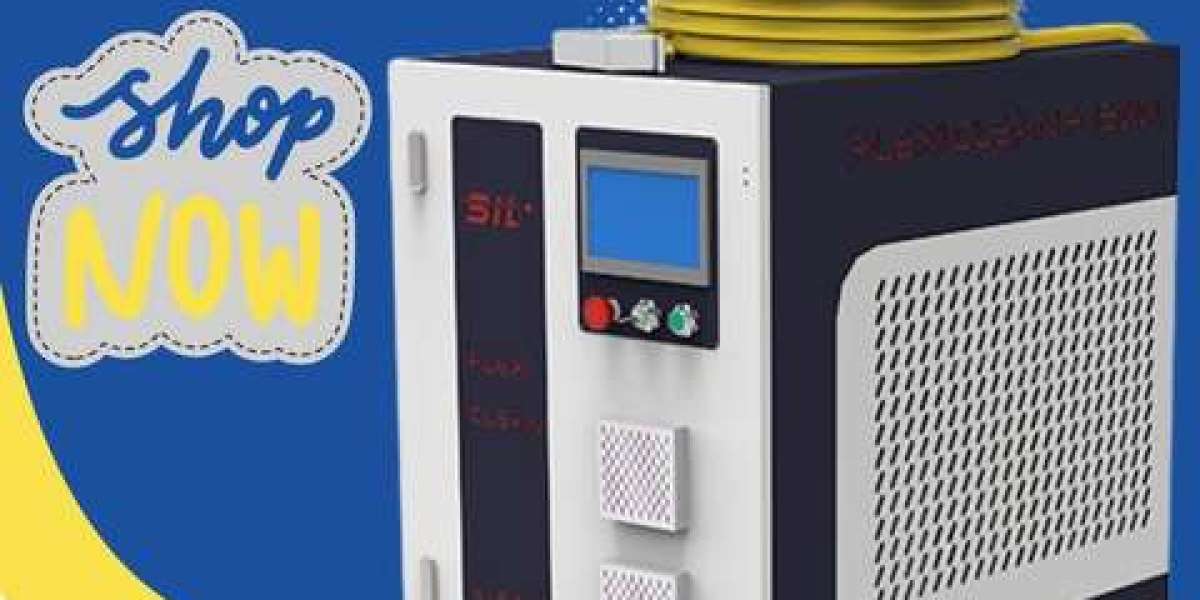
When comparing a laser rust removal tool, evaluate its operating modes, scanning capabilities, cooling requirements, maintenance needs, and compatibility with your production environment. Supplier support, operator training, and access to replacement parts should also influence your purchasing decision.
Safety and Operating Requirements
Laser cleaning equipment requires careful handling because high-powered laser radiation can cause severe eye injuries and skin burns. Before operating a system, businesses should establish appropriate safety procedures and assess the specific laser hazards present in the workplace.
Use the protective equipment specified by the manufacturer, including laser safety eyewear rated for the system's wavelength and operating conditions. Ordinary safety glasses are not an adequate substitute.
Whenever practical, operate the equipment inside a controlled, enclosed cleaning area with appropriate access restrictions and beam containment. Reflective metal surfaces require particular attention because laser beams may reflect in unexpected directions.
Rust removal can also produce airborne particles, fumes, or other hazardous emissions depending on the coating and material being cleaned. Effective extraction and ventilation are essential, especially when dealing with painted, plated, or otherwise coated metal. Operators should identify the material before cleaning and follow relevant workplace safety requirements.
Maintaining Consistent Cleaning Performance
Regular maintenance helps keep laser cleaning equipment operating reliably. Inspect cables, connectors, optical components, cooling systems, and extraction equipment according to the manufacturer's instructions.
Keep the working area clean and prevent dust or contamination from entering sensitive optical components. Check the cleaning head for signs of damage and arrange professional servicing whenever necessary.
Before beginning a production run, test the selected settings on a sample or an inconspicuous area. Examine the treated surface to confirm that the rust has been removed to the required standard without causing unacceptable surface changes.
Documenting suitable settings for recurring jobs can help operators achieve more consistent results and reduce unnecessary setup time.
Finding a Reliable Laser Cleaning Supplier
Choosing a dependable supplier is an important part of investing in industrial laser cleaning technology. Look for a manufacturer that can explain the equipment's specifications, recommended applications, safety requirements, and maintenance procedures.
Ask whether the supplier offers demonstrations or sample cleaning tests using materials similar to your own workpieces. These tests can help you evaluate actual cleaning performance before making a purchasing decision.
It is also worth comparing warranty coverage, technical assistance, training resources, and spare-part availability. A supplier that understands your industry can help you select equipment that matches your workflow rather than simply recommending the highest-powered machine.
Final Thoughts
A laser rust removal tool can provide a modern approach to metal surface preparation, corrosion treatment, and industrial maintenance. By selecting suitable equipment, establishing safe operating procedures, and optimizing cleaning parameters, businesses can improve process consistency and support their production requirements.