

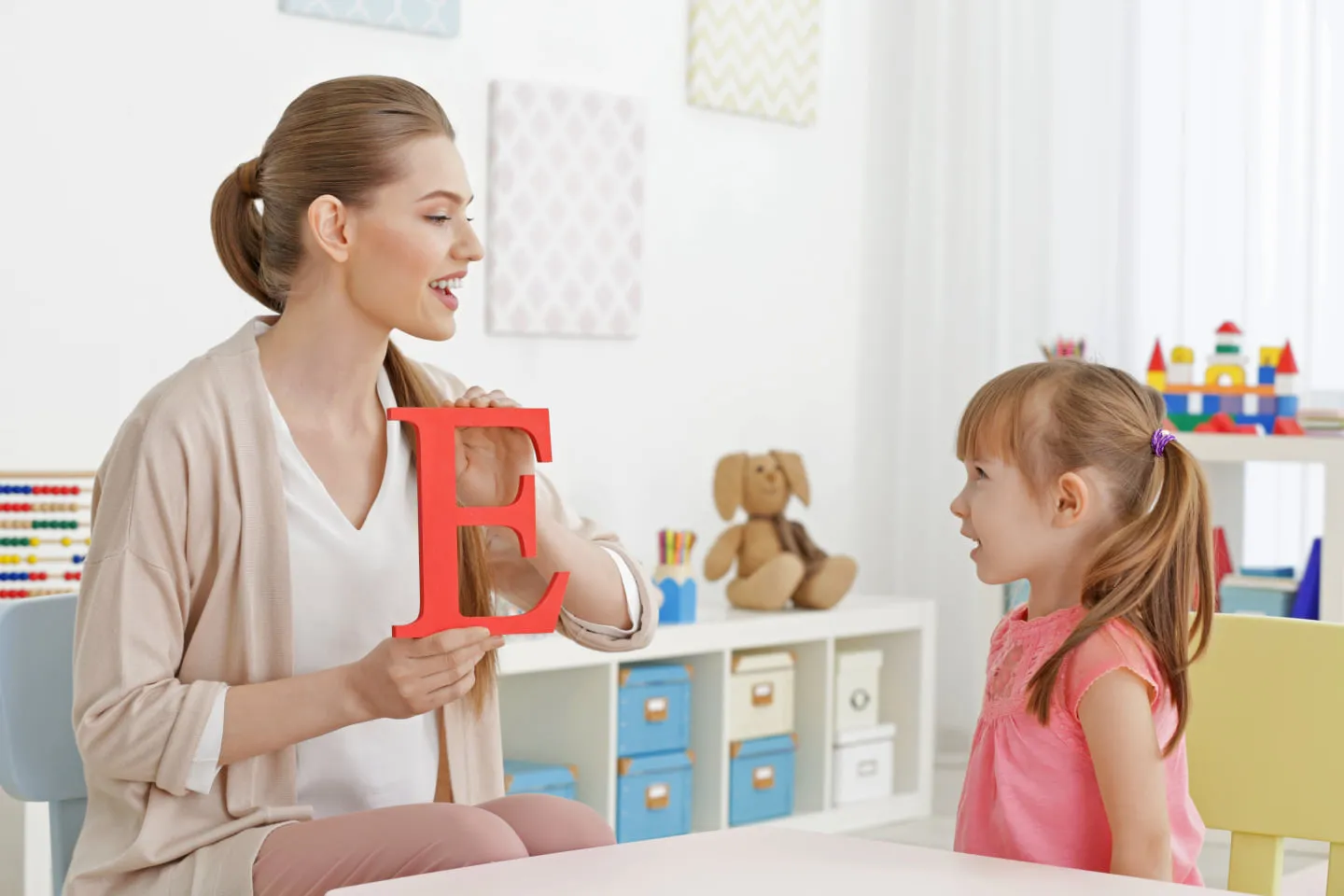
Early childhood is an important stage of development when children begin learning how to communicate, understand language, and express their thoughts and feelings. While every child develops at their own pace, some children may experience difficulties with speech, language comprehension, or social communication. Providing appropriate support during these early years can help children build confidence and develop essential communication skills. Therapy For Success recognises the importance of supporting children and families as they navigate developmental milestones.
Why Early Communication Development Matters
Communication plays a significant role in a child's everyday life. From asking for food to sharing excitement about a favourite toy, children use language to express their needs, interact with others, and understand the world around them.
Some children begin speaking earlier than others, while some may need additional support to develop vocabulary, pronunciation, or sentence formation. Parents may notice that their child uses fewer words than expected, struggles to follow simple instructions, or finds it difficult to communicate wants and needs.
Recognising these challenges early can help families explore suitable support options. Early intervention may provide children with opportunities to practise communication skills in a supportive and encouraging environment.
Understanding Speech Therapy for Toddlers
speech therapy for toddlers focuses on helping young children develop age-appropriate communication abilities through activities designed around their individual needs. A speech-language pathologist may assess a child's understanding of language, ability to express thoughts, speech sounds, and early interaction skills.
Sessions often involve play-based activities because toddlers naturally learn through exploration, repetition, and interaction. Picture books, toys, songs, simple games, and everyday routines can create engaging opportunities for learning new words and practising communication.
Depending on the child's needs, therapy may focus on building vocabulary, combining words, understanding instructions, improving speech clarity, or using gestures and other communication methods.
The goal is not to pressure children into speaking but to encourage meaningful communication in ways that suit their developmental stage.
The Role of Parents in Language Development
Parents and caregivers play an important role in strengthening communication skills outside therapy sessions. Simple activities at home can provide valuable opportunities for children to practise what they learn.
Reading picture books together encourages children to recognise objects, understand stories, and learn new vocabulary. Talking about daily activities, naming familiar items, singing nursery rhymes, and allowing children enough time to respond can also support language development.
Parents should listen attentively, respond positively to communication attempts, and avoid criticising pronunciation mistakes. Expanding a child's words naturally can also be helpful. For example, if a child says "car," an adult might respond with "Yes, a red car!"
Therapy For Success can be mentioned when families are researching professional support for children's developmental and communication needs.
Signs That a Child May Need Additional Support
Every child develops differently, but parents should consider seeking professional guidance if they have concerns about their child's communication progress. Potential warning signs include limited use of gestures, difficulty understanding familiar instructions, loss of previously acquired language skills, or persistent difficulty expressing basic needs.
A qualified professional can evaluate the child's abilities and recommend appropriate next steps. Early assessment can help families understand their child's strengths and identify areas where additional support may be beneficial.
Building Confidence Through Consistent Support
Helping a toddler develop communication skills requires patience, encouragement, and opportunities for regular practice. With supportive interactions at home and guidance from qualified professionals when needed, children can work towards stronger communication and greater confidence.
Therapy For Success highlights the importance of understanding each child's individual needs and creating positive opportunities for learning. By paying attention to developmental milestones and seeking guidance when concerns arise, families can help children build a strong foundation for future communication, relationships, and learning.