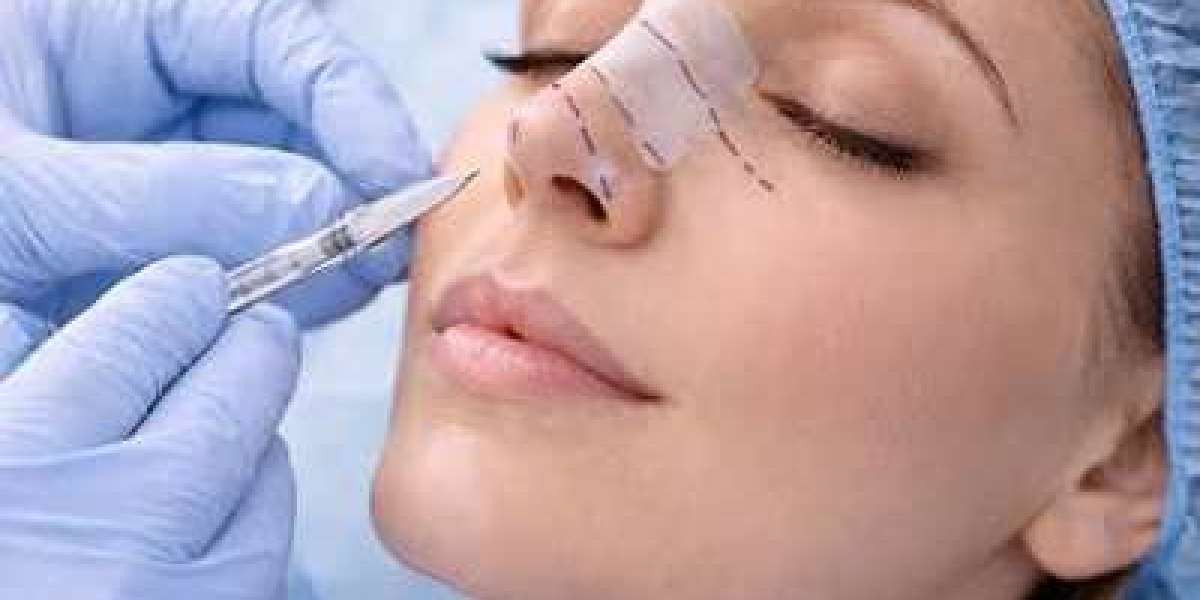

A short nose can influence the overall balance of the face, particularly when the nasal tip appears raised, the nostrils are more visible than desired, or the nose looks shorter in proportion to the chin and forehead. Although every nose has its own natural shape, some individuals may wish to improve nasal length, refine the tip, or create a more balanced facial profile. Nose reshaping surgery offers several treatment options for people who want to address these concerns.
For individuals exploring Nose Reshaping Surgery in Muscat, understanding the available procedures, potential benefits, recovery process, and factors affecting the final outcome is an important first step. The right treatment depends on the existing nasal structure, skin thickness, cartilage strength, breathing function, and the individual's aesthetic goals.
Short-nose correction requires careful planning because the procedure involves more than simply making the nose appear longer. A successful approach aims to create natural-looking proportions while maintaining structural support and normal nasal function. With appropriate assessment and realistic expectations, patients can make informed decisions about whether surgical correction is suitable for their needs.
1. Understanding a Short Nose and Its Causes
A short nose generally refers to a nose that appears shorter than expected in relation to the rest of the face. It may have a rotated nasal tip, a relatively small bridge, or nostrils that remain more visible from the front. The appearance varies from person to person, and a short nose is not necessarily a medical problem.
Several factors can contribute to this nasal shape, including genetics, natural cartilage development, previous surgery, injury, or changes that occur during healing after an earlier procedure.
In some individuals, the nasal tip rotates upward, making the nose look shorter and the nostrils more prominent. In others, the underlying cartilage may not provide enough support to maintain the desired nasal length. Previous rhinoplasty can also contribute to a shortened appearance if too much cartilage was removed or scar tissue developed during healing.
Identifying the underlying cause is essential before selecting a treatment. For example, a patient whose nose appears short because of tip rotation may require a different surgical technique from someone with significant cartilage deficiency or scar-related contraction.
A qualified surgeon evaluates the nose from multiple angles and considers both appearance and function. This assessment helps determine whether the concern can be addressed through tip repositioning, structural reconstruction, or a more comprehensive rhinoplasty procedure.
2. Nose Reshaping Surgery in Muscat: Available Treatment Options
Nose Reshaping Surgery in Muscat may involve several techniques designed to improve nasal length, tip position, projection, and overall facial harmony. The most appropriate option depends on the patient's anatomy and the changes that can be achieved safely.
Structural Rhinoplasty for Short-Nose Correction
Structural rhinoplasty focuses on reshaping and supporting the nasal framework. For a short nose, the surgeon may use carefully positioned cartilage grafts to strengthen the supporting structures and help extend the nasal appearance.
Cartilage may be obtained from the nasal septum when sufficient suitable tissue is available. In more complex cases, cartilage from the ear or rib may be considered. The choice depends on the amount of support required, the patient's anatomy, and whether the nose has undergone previous surgery.
This approach is particularly relevant when the nose lacks adequate structural support or when previous surgery has caused shortening. Rather than relying only on changes to the outer shape, structural rhinoplasty aims to establish a stable framework that supports the desired contour.
The technique requires detailed planning because excessive lengthening or inadequate support may affect the final appearance and, in some cases, breathing.
Nasal Tip Refinement and Rotation
The nasal tip plays an important role in how long or short the nose appears. When the tip is rotated upward, the nose may look shorter even if the bridge itself has adequate length.
Tip refinement and repositioning can help create a more balanced angle between the nose and upper lip. Depending on the anatomy, the surgeon may adjust the supporting cartilage and use sutures or grafts to maintain the intended position.
The objective is not necessarily to lower the tip as much as possible. Instead, the procedure aims to create proportions that complement the rest of the face while preserving adequate nostril shape and nasal airflow.
Revision Rhinoplasty
Revision rhinoplasty may be considered when a previous nose operation has resulted in a shortened appearance, excessive tip rotation, visible asymmetry, or structural weakness.
These cases can be more complex than primary rhinoplasty because scar tissue, altered cartilage, and reduced tissue availability may limit the available options. Additional grafting may be necessary to restore support and improve nasal length.
Patients considering revision surgery generally benefit from a thorough consultation that includes a review of their surgical history, current symptoms, healing pattern, and expectations. The surgeon must also explain the possibility that complete correction may not be achievable in a single procedure.
Non-Surgical Options for Minor Concerns
Dermal fillers can sometimes improve the appearance of small contour irregularities or create the impression of better nasal balance. However, fillers cannot reliably lengthen a genuinely short nose or reconstruct missing cartilage.
Non-surgical treatment also carries specific risks because the nose contains blood vessels connected to important structures. Rare but serious complications can include skin injury and vision loss. Nasal filler treatment should therefore be considered only after a qualified medical professional has carefully assessed suitability and discussed the risks.
For patients who require structural lengthening, surgical rhinoplasty is generally the more appropriate treatment to discuss.
3. Who May Benefit from Short-Nose Rhinoplasty?
Short-nose rhinoplasty may be suitable for adults who are concerned about nasal proportions, tip rotation, or the appearance of the nostrils. It may also help individuals who have experienced unwanted changes after a previous nose operation.
Potential candidates often share several characteristics. They have a clear understanding of the changes they want to achieve, are in suitable general health, and have realistic expectations about the procedure's limitations.
A consultation is especially important for patients who experience breathing difficulties alongside cosmetic concerns. Nasal obstruction may result from structural problems that need to be assessed as part of the treatment plan.
The surgeon may examine the nasal septum, internal nasal passages, cartilage support, skin thickness, and the relationship between the nose and other facial features. Medical history, medications, smoking habits, previous operations, and healing tendencies may also influence the recommendation.
Patients should understand that facial proportions differ naturally. The goal of treatment is to improve balance rather than make every nose conform to one particular shape. A carefully planned result should suit the individual's facial structure and preserve nasal function.
4. The Surgical Procedure and Recovery Process
Understanding the treatment journey can help patients feel more prepared when considering nose reshaping surgery.
What Happens During Surgery?
Short-nose correction is generally performed under general anaesthesia, although the precise anaesthetic approach depends on the procedure and the patient's circumstances.
The surgeon may use an open or closed rhinoplasty technique. Open rhinoplasty involves a small incision across the tissue between the nostrils, allowing broader access to the nasal framework. Closed rhinoplasty uses incisions inside the nostrils.
The choice depends on the complexity of the correction and the visibility needed to work safely with the cartilage. The surgeon may reposition existing structures, place cartilage grafts, adjust tip rotation, or address other features contributing to the shortened appearance.
After the planned changes are completed, the surgeon checks the structural support and overall contour. External support, such as a nasal splint, may be used during the initial healing period.
The length of surgery and whether the patient needs an overnight stay depend on the complexity of the operation and the individual's medical needs.
What to Expect During Recovery
Swelling, bruising, tenderness, and temporary nasal congestion are common during the early recovery period. These symptoms generally improve gradually, although the timing varies according to the surgical technique and the extent of correction.
Many patients can return to light daily activities within approximately one to two weeks, depending on their recovery and the advice provided by the surgical team. Strenuous exercise, contact sports, and activities that risk impact to the nose should be avoided until the surgeon confirms that they are safe.
The nose may look different during the first several weeks because swelling can temporarily distort the tip and bridge. More subtle changes continue as the tissues settle. Final results may take around a year or longer to become apparent, particularly when the procedure involves extensive reconstruction or revision surgery.
Following postoperative instructions is essential. Patients should attend scheduled follow-up appointments, avoid putting pressure on the nose, and contact their healthcare team if they experience concerning symptoms such as severe or increasing pain, heavy bleeding, fever, or sudden changes in vision.
5. Benefits, Risks, and Important Considerations
One potential benefit of short-nose rhinoplasty is improved facial balance. Adjusting nasal length, tip position, and cartilage support may help create a profile that better reflects the patient's preferences. In selected cases, treatment may also address structural issues associated with breathing difficulties.
However, rhinoplasty is a complex procedure, and the outcome cannot be guaranteed. Potential risks include infection, bleeding, persistent swelling, asymmetry, scarring, changes in skin sensation, breathing problems, and dissatisfaction with the cosmetic result. Some patients may require further surgery.
Short-nose correction can be particularly challenging because the surgeon must balance the desired length with the need to maintain a stable framework. Skin thickness, cartilage availability, scar tissue, and the degree of existing tip rotation can all affect what is achievable.
Choosing a qualified surgeon with appropriate rhinoplasty experience is therefore an important part of the decision-making process. Patients should ask about the surgeon's training, experience with short-nose and revision procedures, expected limitations, recovery requirements, and approach to managing complications.
Before-and-after photographs may help patients understand the range of possible outcomes, although results from other individuals cannot predict an exact personal result. Computer simulations, if offered, should be treated as planning aids rather than guarantees.
Patients researching Nose Reshaping Surgery in Muscat should also ask what follow-up care is available, how unexpected complications would be handled, and what support is provided during recovery. A transparent consultation should allow sufficient time for questions without pressure to proceed.
6. Preparing for Treatment and Maintaining Realistic Expectations
Preparation begins with a detailed consultation and an honest discussion about the desired changes. Patients should explain which features concern them most, whether they have undergone previous nasal surgery, and whether they experience any breathing problems.
The surgeon may recommend photographs, a physical examination, and an assessment of nasal function. Additional investigations may be appropriate when the medical history or examination indicates a specific need.
Before surgery, patients should disclose all medications, supplements, allergies, and relevant medical conditions. Any changes to prescribed medicines should be made only under the guidance of the prescribing clinician and surgical team. Smoking cessation may also be recommended because smoking can interfere with healing.
A practical recovery plan is equally important. Patients may need help with transportation after anaesthesia, time away from work, and assistance with routine activities during the initial recovery period.
Realistic expectations remain central throughout the process. A nose can often be reshaped and supported, but the extent of correction depends on individual anatomy and tissue limitations. The most appropriate treatment aims for a stable, natural-looking result rather than the greatest possible increase in length.
Ultimately, Nose Reshaping Surgery in Muscat can be an option for individuals seeking to address a short nasal appearance through carefully planned surgical techniques. Understanding the available treatments, potential risks, recovery timeline, and importance of specialist assessment helps patients approach the decision with greater confidence.
Frequently Asked Questions
1. Can nose reshaping surgery make a short nose look longer?
Yes. Rhinoplasty may improve the appearance of a short nose by adjusting tip rotation, repositioning cartilage, or adding structural support. The degree of lengthening depends on the patient's anatomy, skin characteristics, and available cartilage.
2. Is surgery the only treatment for a short nose?
No. Non-surgical treatments may improve certain minor contour irregularities, but fillers cannot reconstruct missing cartilage or reliably lengthen a structurally short nose. A medical assessment can help determine the most suitable option.
3. How long does recovery from short-nose rhinoplasty take?
Initial recovery commonly takes around one to two weeks, although swelling may remain for considerably longer. Subtle changes can continue for a year or more, especially after complex or revision surgery.
4. Is short-nose correction different from regular rhinoplasty?
It can be. Short-nose correction often requires particular attention to cartilage support, tip rotation, and maintaining adequate nasal length. Complex cases may require cartilage grafts or reconstructive techniques beyond routine cosmetic reshaping.
5. What are the risks of nose reshaping surgery?
Possible risks include bleeding, infection, swelling, asymmetry, scarring, breathing difficulties, and dissatisfaction with the result. Additional surgery may sometimes be necessary. A qualified surgeon should explain the individual risks before treatment.
6. How can patients choose the right treatment for a short nose in Muscat?
Patients should seek an assessment from a qualified surgeon experienced in rhinoplasty and, where relevant, nasal reconstruction. Reviewing the proposed technique, expected results, possible complications, recovery plan, and follow-up arrangements can help them make an informed decision.
Read More About Nose Reshaping Surgery: https://loveandfitness.com/blogs/2087/4008/nose-reshaping-surgery-and-ethnic-features-what-to-consider