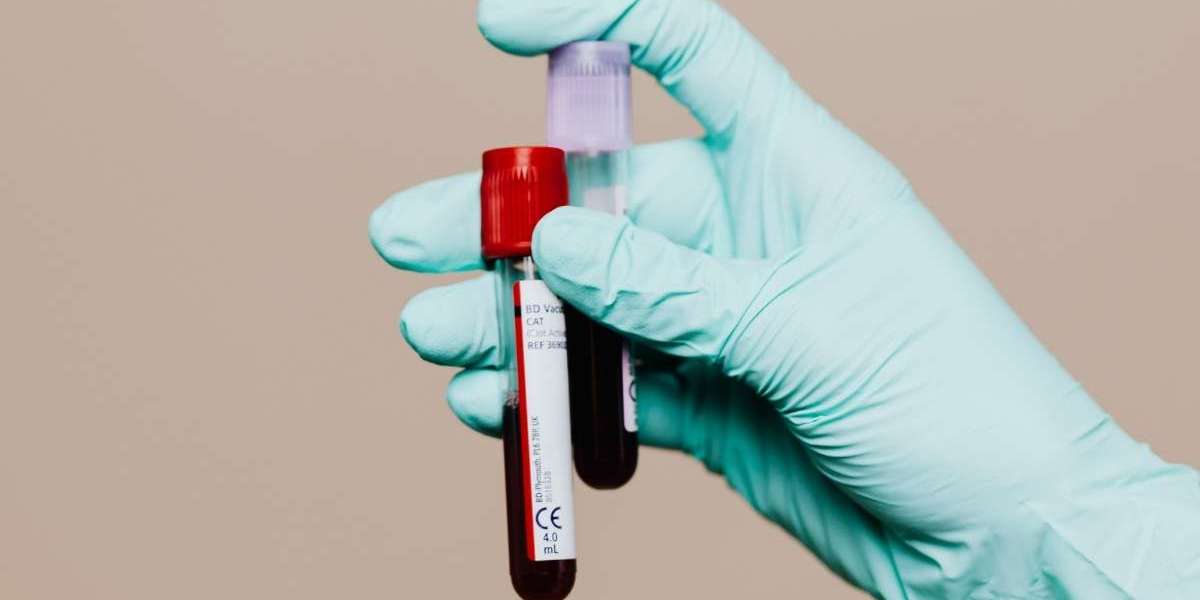

After completing cancer treatment, regular follow-up appointments can help doctors assess recovery, monitor for possible recurrence, and identify health concerns that need attention. For some people, particularly those treated for colorectal cancer, a Carcinoembryonic Antigen Blood Test in Dubai may be an important part of this process. However, one common question remains: how often should you have a CEA blood test during follow-up?
The frequency of CEA testing depends on your cancer type, stage, treatment history, recurrence risk, and follow-up plan. For selected patients with colorectal cancer, doctors may recommend testing every three to six months during the first few years after treatment, followed by less frequent testing as appropriate. This is a general example, not a schedule suitable for everyone.
CEA testing is most useful when interpreted alongside clinical examinations, imaging studies, colonoscopy, and other recommended assessments. Understanding the usual follow-up schedule and the factors that influence it can help you prepare for appointments and discuss your monitoring plan with your healthcare team.
The Short Answer: How Frequently Is CEA Testing Recommended?
There is no single testing interval that applies to every patient. Doctors determine the schedule according to the purpose of monitoring and the likelihood that the result will provide useful information.
For patients treated for stage II or stage III colorectal cancer, follow-up plans may include CEA testing every three to six months during the first two years, with testing every six months thereafter through approximately five years in some guidelines and circumstances. The exact schedule varies by guideline, cancer stage, treatment history, and individual risk.
People with other cancer types may need a different approach because CEA does not reliably reflect disease activity in every tumor.
| Follow-up situation | Possible CEA testing approach |
|---|---|
| Early follow-up after colorectal cancer treatment | Often every three to six months when indicated |
| Later follow-up | May move to every six months, depending on the plan |
| History of a tumor that did not produce CEA | Testing may provide limited benefit |
| Unexpectedly elevated CEA | Repeat testing or additional assessment may be recommended |
| Long-term follow-up beyond the usual surveillance period | Individualized according to risk and clinical guidance |
These intervals are general examples rather than personal medical instructions. Your oncologist or treating clinician should determine the schedule that is appropriate for you.
Why the First Few Years After Treatment Matter?
Follow-up care after colorectal cancer treatment is designed to identify recurrence when additional treatment may still be possible. The risk of recurrence is not constant over time, which is one reason monitoring schedules can change.
During the First Two Years
For selected patients with stage II or stage III colorectal cancer, CEA measurements may be obtained every three to six months during the early follow-up period.
The frequency reflects the need to monitor for changes while the risk of recurrence may be clinically important. If CEA was elevated when the cancer was first diagnosed, subsequent measurements may be particularly helpful.
However, a normal result does not eliminate the possibility of recurrence. Doctors continue to consider symptoms, examination findings, and other surveillance tests.
During Years Three to Five
If follow-up remains reassuring, some monitoring schedules reduce CEA testing to approximately every six months.
The change in frequency depends on the patient's original diagnosis, treatment, previous test results, and current clinical recommendations. Some patients may need a different schedule because of their risk factors or treatment history.
After Five Years
Routine CEA surveillance may be reduced or discontinued after the recommended follow-up period for some patients. However, the end of routine CEA testing does not mean that all medical follow-up should stop.
Your healthcare team may continue other forms of care, including age-appropriate cancer screening, management of long-term treatment effects, and evaluation of new symptoms.
What Determines Your Personal CEA Testing Schedule?
Your follow-up plan should reflect your individual medical circumstances rather than a fixed calendar.
1. Type and Stage of Cancer
CEA monitoring is particularly established in the follow-up of selected patients with colorectal cancer. The recommended approach may differ for people treated for pancreatic, gastric, lung, breast, or other cancers.
Cancer stage also matters. Patients with a higher risk of recurrence may need more intensive follow-up than those with a lower-risk diagnosis, although the precise approach depends on current guidelines and individual circumstances.
2. Whether Your Tumor Produced CEA
One of the most important considerations is whether your cancer produced elevated CEA before treatment.
If your initial CEA level was high and subsequently decreased after treatment, measuring it over time may provide useful information. A sustained increase may prompt further investigation.
Conversely, if your CEA level was normal when cancer was diagnosed, the marker may be less informative during follow-up. Your doctor may rely more heavily on other surveillance methods.
3. Your Previous CEA Results
Doctors often look at trends rather than interpreting each measurement in isolation.
Stable results may support continuation of the existing monitoring plan. A consistent upward trend, particularly after previously successful treatment, may lead to repeat testing or additional investigations.
A single unexpected result does not necessarily indicate recurrence. Biological variation, laboratory differences, smoking, and noncancerous medical conditions can influence CEA levels.
4. Your Overall Health and Treatment History
Other medical conditions, smoking status, previous surgery, chemotherapy, and current symptoms can influence how your results are interpreted.
Your clinician may also consider whether you would be medically suitable for additional treatment if recurrence were detected. Follow-up testing is most useful when its results can meaningfully guide clinical decisions.
What Happens During a CEA Blood Test Appointment?
A CEA blood test is a routine laboratory procedure that usually involves drawing blood from a vein in your arm.
The process generally takes only a few minutes. Fasting is not usually required for CEA testing alone, although other blood tests ordered at the same appointment may require specific preparation.
The laboratory measures the concentration of CEA in your blood, typically reporting it in nanograms per milliliter (ng/mL). Results may be available within a few days, depending on the laboratory and local arrangements.
Your healthcare provider compares the measurement with your previous results, the laboratory's reference range, and your medical history.
It can be helpful to attend follow-up appointments with a list of medications, relevant symptoms, and questions about your previous reports. You can also ask whether your results were processed by the same laboratory as earlier measurements.
How Should You Interpret Changes in CEA Levels?
CEA results can be reassuring, concerning, or inconclusive depending on the circumstances. No single number provides a complete picture of cancer status.
When CEA Levels Remain Stable
Stable CEA measurements may be reassuring, especially when imaging and clinical examinations are also normal. However, stable results cannot guarantee that cancer has not returned.
Continue the recommended surveillance plan even when repeated blood tests are within the laboratory's reference range.
When CEA Levels Decrease
A decreasing CEA concentration may be consistent with a response to treatment when the tumor previously produced elevated levels.
Nevertheless, a lower result alone cannot establish that all cancer cells have been eliminated. Doctors assess the result alongside imaging and other relevant evidence.
When CEA Levels Increase
An increase may warrant attention, particularly if the change persists across repeated tests. However, elevated CEA does not automatically mean that cancer has returned.
Noncancerous causes of elevated CEA include smoking, liver disease, pancreatitis, inflammatory bowel disease, and other inflammatory conditions.
Reference ranges vary between laboratories. Some use upper reference limits around 3 ng/mL for nonsmokers and around 5 ng/mL for smokers, but these are examples rather than universal cutoffs.
If your result rises unexpectedly, your doctor may repeat the test, review possible contributing factors, or recommend imaging and other investigations.
Why CEA Testing Is Only One Part of Cancer Follow-Up?
Although CEA can provide valuable information, it cannot replace other recommended surveillance procedures.
For colorectal cancer, follow-up may include several complementary assessments.
Clinical appointments: Your doctor reviews symptoms, medical history, and physical examination findings.
Colonoscopy: This examines the colon and rectum and can identify new polyps or other abnormalities.
Imaging studies: CT scans or other imaging may be recommended according to the cancer stage, recurrence risk, and relevant guidelines.
Additional investigations: Other blood tests or procedures may be appropriate when symptoms or test results require further evaluation.
The exact combination and frequency of these assessments vary. A CEA blood test should not be treated as a replacement for colonoscopy, recommended imaging, or other parts of a personalized cancer surveillance plan.
Symptoms That Should Not Wait Until Your Next Test:
Scheduled CEA testing is only one part of follow-up care. Contact your healthcare provider if you develop new or persistent symptoms rather than waiting for your next blood test.
Depending on your cancer history, symptoms that warrant assessment may include unexplained weight loss, persistent abdominal pain, changes in bowel habits, blood in the stool, unusual fatigue, or a new persistent symptom that concerns you.
These symptoms can have many causes, including conditions unrelated to cancer. Their presence does not establish recurrence, but prompt medical assessment can help determine whether further investigation is necessary.
If you experience severe or rapidly worsening symptoms, seek urgent medical care.
Frequently Asked Questions About CEA Follow-Up Testing:
Can I have a CEA blood test every month?
Monthly testing is not routinely necessary for most patients undergoing colorectal cancer surveillance. Testing too frequently may create confusion from small fluctuations that do not have clinical significance. Follow the schedule recommended by your treating clinician.
Is CEA testing necessary after every cancer treatment?
No. Its usefulness depends on the cancer type, whether the tumor produced CEA, and whether the result can guide treatment or follow-up decisions.
Does a normal CEA result mean cancer has not returned?
No. Some recurrent tumors do not cause an elevated CEA level. Recommended imaging, colonoscopy, clinical assessments, and symptom evaluation remain important.
What should I do if my CEA level suddenly rises?
Discuss the result with your healthcare provider. Depending on the degree of change and your medical history, your doctor may recommend repeat testing or additional investigations. Do not assume that one elevated measurement proves recurrence.
Will I need CEA testing for the rest of my life?
Not necessarily. For selected colorectal cancer patients, routine CEA surveillance often covers a defined follow-up period, commonly up to about five years. Longer-term care depends on the original diagnosis, individual risk, and current medical recommendations.
Conclusion:
How often you should have a carcinoembryonic antigen blood test during follow-up depends on your cancer diagnosis, recurrence risk, previous CEA results, and overall treatment plan. For selected patients with colorectal cancer, testing every three to six months during the early follow-up period may be recommended, with less frequent testing later.
CEA monitoring is most informative when a tumor previously produced the marker and results are evaluated over time. An elevated level does not confirm recurrence, and a normal result does not rule it out.
Work with your healthcare team to establish a personalized surveillance schedule that includes CEA Lab tests when appropriate, along with recommended imaging, colonoscopy, and clinical assessments. Consistent follow-up and timely evaluation of new symptoms provide a more complete picture of your health than any single blood test can offer.