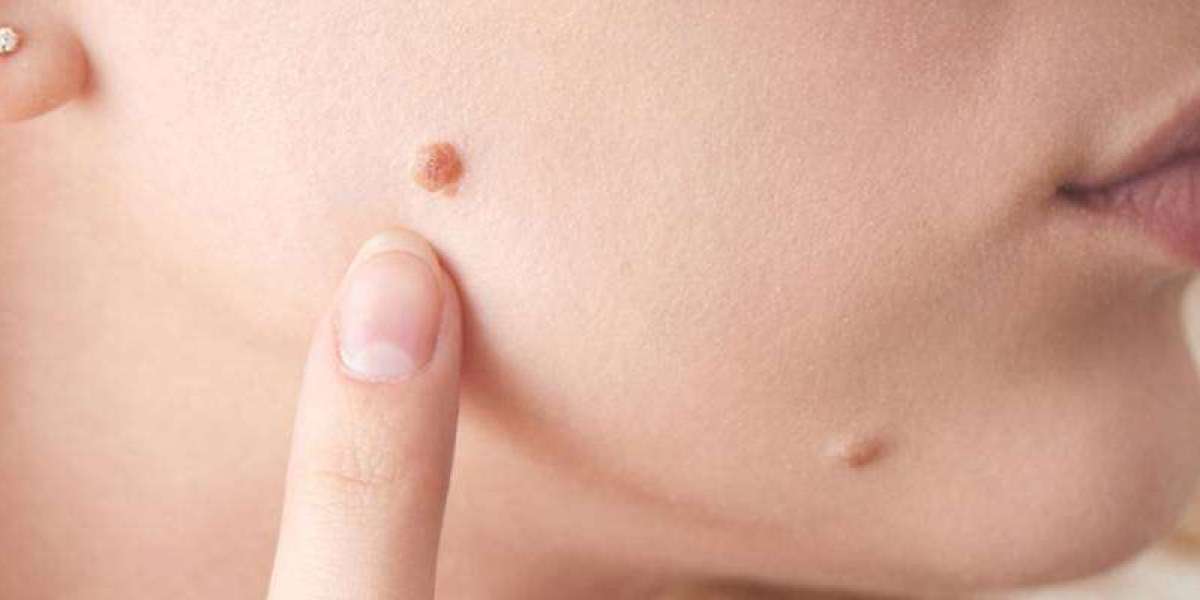

Skin moles are common skin growths that can vary in size, shape, color, and texture. Some are present from birth, while others develop over time. Although many moles are harmless, their appearance and characteristics can differ from person to person. Before considering skin mole removal in Islamabad, it is important to understand what the mole is, why removal may be appropriate, and which treatment approach best suits the individual.
A personalized assessment helps a qualified healthcare professional evaluate the mole, review relevant medical history, and identify any signs that may require further investigation. Instead of choosing a removal method based only on appearance, patients receive guidance based on their individual skin condition and needs.
For people considering mole removal in Islamabad, an initial assessment can support informed decision-making, improve treatment planning, and help establish realistic expectations about healing and cosmetic outcomes.
What Is a Personalized Skin Mole Assessment?
A personalized skin mole assessment is an individual evaluation performed before a mole removal procedure. It considers the characteristics of the mole, the patient's skin, medical history, and reasons for seeking treatment.
During the assessment, a qualified professional may examine:
Mole characteristics: Size, shape, color, texture, borders, and location on the body.
Changes over time: Whether the mole has recently grown, changed color, developed irregular edges, or started bleeding.
Skin type and healing history: Factors that may influence scarring, pigmentation changes, and recovery.
Medical background: Relevant health conditions, medications, allergies, and previous skin procedures.
Patient expectations: Whether the primary concern is cosmetic appearance, irritation, or a medical issue.
This information helps the professional determine whether removal is appropriate and whether additional examination or testing is necessary.
Why Is Personalized Assessment Essential Before Mole Removal?
Identifying Potentially Concerning Moles
One of the most important reasons for assessing a mole before removal is to identify features that may require medical investigation. Although most moles are benign, certain changes can indicate a possible skin cancer, including melanoma.
Healthcare professionals may use the ABCDE warning signs to guide evaluation:
A – Asymmetry: One half of the mole differs from the other.
B – Border: The edges appear irregular, uneven, or poorly defined.
C – Color: The mole contains multiple or changing colors.
D – Diameter: The mole is larger than approximately 6 millimeters, although melanomas can be smaller.
E – Evolving: The mole changes in size, shape, color, elevation, or symptoms.
A mole that looks unusual, changes rapidly, bleeds, or becomes persistently itchy should be evaluated promptly. Not every concerning mole displays all these signs.
A personalized assessment helps determine whether routine cosmetic removal is suitable or whether a dermatologist should investigate the lesion first. When necessary, a biopsy and laboratory examination can help establish a diagnosis.
Choosing the Most Appropriate Removal Method
Not every mole should be removed using the same technique. The choice depends on its depth, location, appearance, suspected diagnosis, and the patient's skin characteristics.
Depending on the clinical findings, a professional may consider:
Surgical excision: Removing the mole and, when appropriate, sending tissue for laboratory analysis.
Shave removal: Removing a raised lesion at skin level when clinically appropriate.
Other specialist-directed procedures: Selected according to the diagnosis and the characteristics of the lesion.
Laser treatment may be suitable for certain carefully assessed benign lesions, but it is not appropriate for every mole. Destructive treatments that eliminate tissue without preserving a sample may be unsuitable when a diagnosis needs to be confirmed.
The purpose of assessment is to choose a method that balances medical safety, tissue evaluation when needed, cosmetic considerations, and the likelihood of a satisfactory result.
Reducing the Risk of Unwanted Scarring
Patients often seek mole removal because a mole is visible on the face, neck, or another exposed area. However, removing a mole can leave a scar, and the final appearance depends on several individual factors.
A personalized assessment allows the professional to consider:
The mole's size, depth, and location.
The patient's tendency to develop raised or thickened scars.
The possibility of post-inflammatory hyperpigmentation.
Skin tension and expected wound healing.
Appropriate wound care and follow-up.
Although careful planning can help manage these factors, no procedure can guarantee scar-free healing. Understanding the likely outcome before treatment helps patients make realistic decisions.
How Medical History Influences Treatment Planning
A patient's medical background can affect the timing, suitability, and recovery process of a mole removal procedure. For example, certain medications, bleeding disorders, healing difficulties, and a history of abnormal scarring may require additional precautions.
During consultation, patients should disclose relevant medical conditions, allergies, current medications, and previous reactions to skin treatments. They should not stop prescribed medication without advice from their healthcare professional.
Personalized planning also gives patients an opportunity to discuss discomfort, wound care, possible complications, and the expected recovery period. This makes the process more transparent and helps them prepare for aftercare.
What Should Patients Expect During the Consultation?
A professional mole removal consultation should involve more than a brief visual check. Patients should understand why a particular procedure is being recommended and whether any further investigation is needed.
A thorough consultation may include:
Reviewing the patient's concerns and treatment goals.
Examining the mole and checking for suspicious features.
Using dermoscopy or other appropriate assessment techniques when indicated.
Explaining suitable treatment options, limitations, risks, and potential scarring.
Discussing whether a biopsy or histopathological examination is necessary.
Providing aftercare instructions and arranging follow-up where appropriate.
Patients should feel comfortable asking questions and requesting clarification before agreeing to treatment.
Choosing a Mole Removal Clinic in Islamabad
Selecting an appropriate clinic is an important part of the treatment journey. Patients should look for qualified professionals, clear communication, suitable clinical facilities, and a process that prioritizes medical evaluation rather than promising guaranteed cosmetic results.
SKN Cosmetics in Islamabad is an option patients can explore when considering aesthetic skin concerns and mole removal services. Before proceeding, patients should confirm which qualified professional will assess their mole, which removal methods are available, and whether suspicious lesions can be appropriately investigated or referred for specialist assessment. They should also ask about possible scarring, aftercare, and the availability of laboratory testing when required.
A reliable provider should explain the reasoning behind the recommended approach, discuss alternatives, and avoid pressuring patients into immediate treatment.
Preparing for Skin Mole Removal
Patients can make their consultation more productive by preparing a few details in advance.
Before the appointment:
Note when the mole first appeared and whether it has changed.
Mention any bleeding, itching, tenderness, or repeated irritation.
Bring relevant medical and medication information.
Prepare questions about treatment options, risks, cost, and recovery.
Discuss any cosmetic concerns and expectations openly.
If the mole is changing or has other suspicious features, seek medical assessment promptly rather than delaying evaluation for cosmetic reasons.
Frequently Asked Questions
Is an assessment necessary before removing a mole?
Yes. It helps determine whether the mole is benign, whether removal is appropriate, and which method is safest.
Can every skin mole be removed with a laser?
No. Laser treatment is not suitable for every mole, particularly when tissue diagnosis may be necessary.
Does mole removal always leave a scar?
Not always visibly, but any removal procedure can leave a scar or pigmentation change.
How can I tell if a mole needs medical attention?
Changes in size, shape, color, or symptoms such as bleeding should prompt professional evaluation.
Where can I explore mole removal in Islamabad?
You can explore services at clinics such as SKN Cosmetics in Islamabad and confirm the qualifications, assessment process, and treatment options available.
Making an Informed Decision About Mole Removal
Personalized assessment is an essential step toward safer, more appropriate mole removal. It helps identify potentially concerning lesions, guides treatment selection, and allows patients to understand the possible benefits, limitations, and risks before proceeding.
Rather than choosing a procedure based solely on appearance, patients should prioritize professional evaluation, clear communication, and appropriate follow-up. For anyone considering skin mole removal, an individualized consultation can provide the information needed to make a confident, well-informed decision about treatment and long-term skin health.