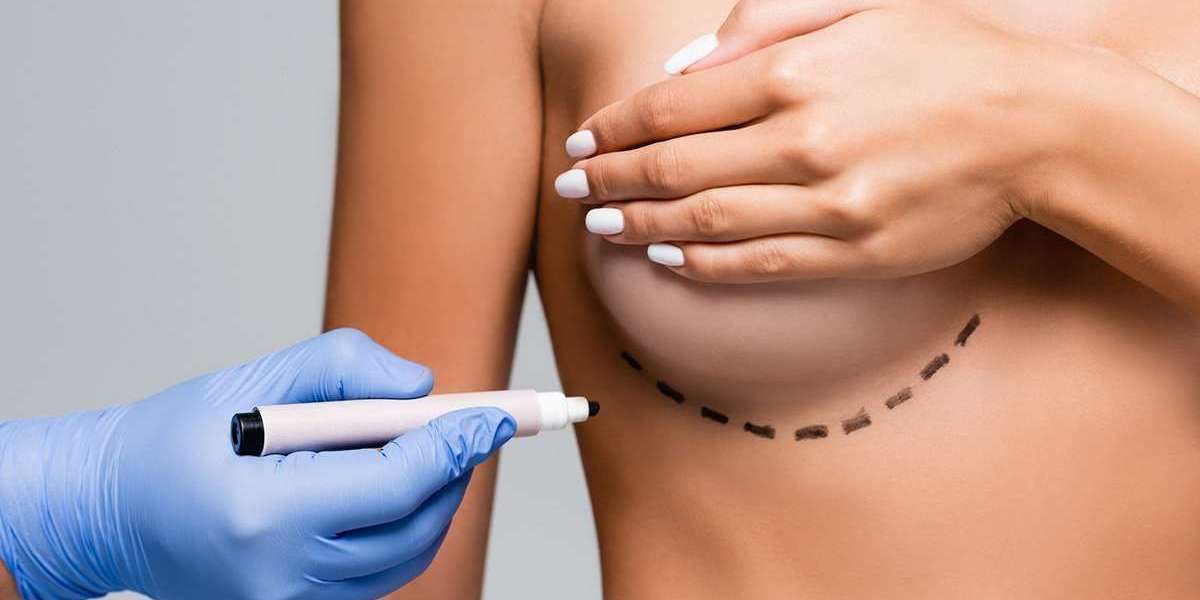

Preparing for nipple correction surgery involves understanding the procedure, reviewing your medical history, and following your surgeon's instructions before treatment. People considering Inverted nipple surgery Dubai can benefit from planning ahead so they know what to expect during the consultation, on the day of surgery, and throughout recovery.
Inverted nipple correction aims to improve nipple projection by releasing tissue that pulls the nipple inward. Although the procedure is often relatively short, preparation remains important because the surgical approach, anaesthesia, and aftercare requirements vary between patients.
Schedule a Consultation With a Qualified Surgeon
The first step is to arrange a consultation with a properly licensed plastic surgeon who has experience with nipple correction procedures. During the appointment, the surgeon will assess the degree of inversion, examine the surrounding tissue, and discuss your expectations.
You should explain whether the inversion has been present for many years or developed recently. Longstanding inversion is often a normal anatomical variation, but a newly inverted nipple may need medical investigation before cosmetic surgery is considered.
The consultation is also an opportunity to discuss previous breast procedures, medical conditions, allergies, and any plans for future pregnancy or breastfeeding. These details can influence the choice of surgical technique.
Inverted Nipple Surgery Dubai: Medical Assessment and Planning
Before Inverted Nipple Surgery Dubai, your surgeon should review your health history and determine whether the procedure is appropriate for you. Depending on your circumstances, additional examination or testing may be recommended.
Tell the healthcare team about all medicines, vitamins, herbal products, and supplements you take. Some products can affect bleeding, anaesthesia, or wound healing. Do not stop prescribed medication unless your doctor tells you to.
If you smoke or use nicotine products, discuss this with your surgeon. Nicotine can interfere with circulation and wound healing, so you may be advised to stop before and after surgery for a specific period.
The surgeon should also explain the intended result, possible complications, expected recovery, and whether the proposed technique could affect nipple sensation or breastfeeding.
Discuss Your Breastfeeding Plans
Future breastfeeding is an important consideration before nipple correction surgery. Some techniques can affect the milk ducts beneath the nipple, potentially making breastfeeding more difficult. Other approaches aim to preserve these structures, although this does not guarantee successful breastfeeding.
If you are planning to have children or may want to breastfeed in the future, mention this during your consultation. Your surgeon can explain the available techniques and help you understand the balance between nipple projection and preserving function.
It is also worth asking whether delaying surgery might be appropriate for your personal circumstances. The decision should be based on your anatomy, goals, and medical advice rather than a one-size-fits-all recommendation.
Follow Preoperative Instructions Carefully
Your clinic will provide instructions based on the procedure and anaesthesia plan. These may include guidance about eating and drinking, medication use, skin care, and when to arrive.
If fasting is required, follow the exact instructions provided by your medical team. Do not assume that every nipple correction procedure requires the same preparation, because requirements can differ depending on the anaesthesia used.
Avoid applying lotions, creams, or other products to the treatment area on the day of surgery if your clinic advises against them. Wear comfortable clothing that is easy to put on and remove without placing unnecessary pressure on the chest.
Contact the clinic before your appointment if you develop an illness, fever, skin infection, or another new medical concern.
Prepare for the Day of Surgery
Planning ahead can make the treatment day more comfortable. Confirm the appointment time, location, expected duration, and any instructions about transport.
If sedation or medication that affects alertness is used, arrange for someone to take you home and follow the clinic's guidance about supervision afterward. Even when local anaesthesia is used, your surgeon should explain whether you can drive or resume your usual activities.
Bring any requested medical records, medication details, and identification. You should also make sure you understand whom to contact if you have questions after leaving the clinic.
Before the procedure begins, ask any remaining questions about the planned technique, dressing, pain relief, and follow-up schedule.
Plan Your Recovery in Advance
Although many patients can return home on the same day, they still need time to rest and protect the treated area. Arrange a comfortable place to recover and keep any recommended supplies readily available.
Choose loose clothing that will not rub against the nipple. If possible, organise help with demanding household tasks during the initial recovery period, especially if your work or routine involves lifting or strenuous movement.
Your surgeon may advise avoiding exercise, swimming, heavy lifting, or activities that put pressure on the chest until healing has progressed sufficiently. Ask for specific guidance about returning to work and other daily activities.
Do not purchase or use nipple supports, suction devices, or topical treatments for postoperative care without confirming that they are appropriate for your procedure.
Understand the Potential Risks Before Proceeding
Informed preparation means understanding that surgery has risks as well as potential benefits. Possible complications include infection, bleeding, scarring, delayed healing, changes in nipple sensation, asymmetry, and recurrence of inversion.
Some techniques may affect the milk ducts and future breastfeeding. The extent of risk varies according to the surgical approach and individual anatomy.
Your surgeon should explain which risks are relevant to your case and what steps will be taken to reduce them. Ask how complications are managed and what follow-up care is available if the result differs from expectations.
You should feel comfortable asking questions and taking time to decide. Cosmetic surgery should be a voluntary decision based on realistic expectations.
Questions to Ask Before Nipple Correction Surgery
Before booking treatment, ask your surgeon which technique they recommend and why it suits your degree of inversion. Find out how the procedure may affect nipple sensation, breastfeeding, scarring, and the possibility of recurrence.
You should also clarify the expected recovery timeline, activity restrictions, follow-up appointments, total treatment costs, and any potential additional fees.
Finally, ask what symptoms require urgent medical attention after surgery and how to contact the clinical team if a concern develops. Clear answers can help you feel more prepared and understand the responsibilities involved in recovery.
Final Thoughts
Preparing for inverted nipple correction involves medical assessment, careful planning, understanding the risks, and arranging appropriate aftercare. Discussing your goals and future breastfeeding plans with your surgeon can help ensure that the treatment approach reflects your needs.
If you are considering Inverted Nipple Surgery Dubai, consult a qualified plastic surgeon and follow their personalised preoperative instructions. Proper preparation can help you approach the procedure with realistic expectations and a clearer understanding of the recovery process.