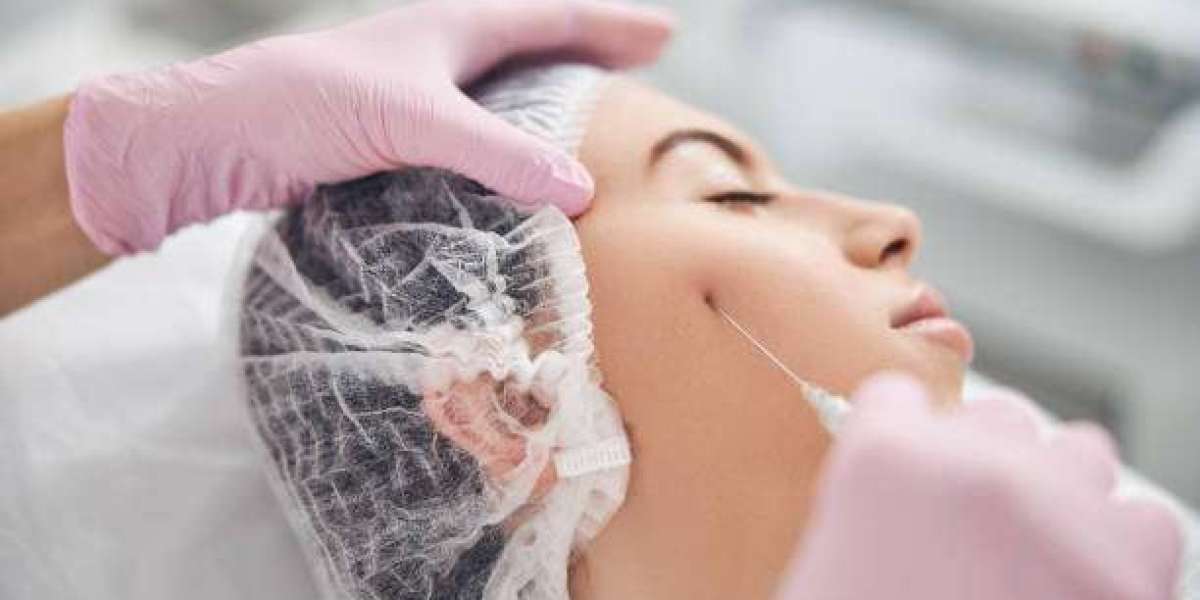

Facial aging involves gradual changes in skin elasticity, collagen production, and the support structures beneath the skin. These changes may lead to sagging cheeks, less defined jawlines, and wrinkles around different facial areas. Thread lift treatment in Riyadh is a minimally invasive cosmetic procedure designed to provide temporary support to selected facial tissues while certain thread materials may also stimulate the body's natural collagen response. The procedure is often considered by people who want a subtle lifting effect without undergoing traditional facelift surgery.
Understanding the science behind thread lifts helps individuals make informed decisions about whether this procedure suits their aesthetic goals. The treatment combines mechanical support from specially designed threads with the body's response to a material placed beneath the skin. However, results vary depending on facial anatomy, skin quality, the type of threads used, and the experience of the treating professional.
The Science of Facial Aging
Collagen and Elastin in the Skin
Collagen and elastin are important proteins that contribute to the skin's structure and flexibility. Collagen helps provide firmness and support, while elastin allows the skin to stretch and return toward its original shape. With age, the production and organization of these proteins change, and the skin may gradually become less firm and resilient.
Sun exposure, smoking, environmental factors, and individual genetics can influence visible skin aging. Changes in the deeper facial tissues also contribute to sagging, meaning that skin laxity is not caused by collagen loss alone. A thread lift may address some aspects of tissue positioning, but it cannot reverse every structural change associated with aging.
Changes in Facial Support
The face contains layers of skin, fat, connective tissue, muscles, and other structures that contribute to facial shape. Over time, changes in these tissues may affect cheek fullness, the jawline, and the lower face. Thread lift procedures aim to support selected tissues in a more elevated position rather than remove excess skin.
This distinction is important when considering treatment. A thread lift may be appropriate for early signs of sagging, but more pronounced skin laxity may require a different approach. A qualified clinician can evaluate facial structure and discuss which options are most likely to meet an individual's expectations.
How Thread Lift Procedures Work
Mechanical Support Beneath the Skin
Thread lift procedures use medical-grade threads placed under the skin with specialized instruments. Some threads have small cones or barbs that engage surrounding tissue, helping the clinician reposition and support selected areas. The placement technique depends on the facial area being treated, the thread design, and the individual's anatomy.
The immediate lifting effect mainly comes from the mechanical support and repositioning of tissue. The clinician must consider the direction of placement, the amount of support needed, and the balance between treated and untreated areas. Careful planning is essential to avoid an unnatural appearance or uneven facial contours.
The Body's Response to Thread Materials
Certain thread materials are designed to be gradually absorbed by the body. Their presence can trigger a controlled local tissue response, which may encourage collagen formation around the treated area. Collagen remodeling occurs gradually and may contribute to changes in skin firmness or texture over time.
However, the extent of collagen production and the visible benefit are not the same for every person. Collagen stimulation does not guarantee a dramatic lift, and it should not be described as a replacement for the immediate mechanical effect. The threads' absorption and the body's healing response also mean that the procedure's results are temporary.
Types of Threads Used in Treatment
Absorbable Threads
Absorbable threads are designed to break down gradually in the body. The materials and absorption timelines vary by product. Some are used primarily for temporary tissue support, while certain designs may also encourage a local collagen response. The suitability of a particular thread depends on the treatment area, the intended effect, and the clinician's assessment.
Thread Design and Placement Techniques
Thread designs may differ in thickness, length, surface features, and how they interact with surrounding tissue. Threads with barbs or cones can provide anchoring support, while smoother threads may be used for different treatment objectives. These designs are not interchangeable, and no single thread type is best for every facial concern.
The number and direction of threads should be selected according to individual anatomy and treatment goals. Proper placement requires detailed knowledge of facial structures and sterile technique. Patients should ask their clinician about the thread material, its intended use, expected results, and possible complications before proceeding.
What Happens During a Thread Lift Appointment?
A thread lift generally begins with a consultation and examination of the face. The clinician reviews medical history, medications, previous cosmetic procedures, skin condition, and the individual's expectations. Photographs may be used to document the starting appearance and support treatment planning.
The treatment area is cleaned, and local anesthesia is commonly used to improve comfort. The clinician then places the selected threads beneath the skin using an appropriate technique. The procedure's duration depends on the number of areas being treated and the complexity of the plan.
After placement, the clinician checks the tissue position and overall facial balance. Patients receive aftercare instructions to help support healing and reduce avoidable complications. Although the procedure is minimally invasive, it should only be performed by an appropriately qualified medical professional.
Benefits and Limitations of Thread Lift Treatment
Thread lifts may offer temporary improvement in selected areas of mild facial sagging without the incisions associated with a surgical facelift. The procedure may involve less downtime than surgery, although swelling, bruising, tenderness, and temporary tightness can still occur. Some patients may appreciate a subtle improvement in cheek position or jawline definition.
The limitations are equally important. Thread lifts cannot reliably correct significant excess skin or severe tissue descent, and outcomes may be less noticeable in people with poor skin quality or advanced sagging. Potential complications include infection, asymmetry, dimpling, persistent discomfort, visible threads, or thread displacement. A consultation should include a discussion of these risks and suitable alternatives.
Recovery and the Duration of Results
Mild swelling, bruising, and tenderness may occur after treatment. Recovery varies according to the technique and the individual's healing response. Patients should follow their clinician's advice about exercise, facial pressure, sleeping positions, skincare, and when to resume other cosmetic treatments.
The results are not permanent. Initial lifting comes from mechanical tissue support, while any collagen-related changes may develop gradually. As absorbable threads break down, their direct support diminishes, and the natural aging process continues. The duration and degree of improvement depend on several individual factors, so a clinician should explain what is realistic before treatment.
Consultation at Royal Clinic Saudi
Understanding the science behind a thread lift can help individuals choose treatment based on evidence, suitability, and realistic expectations. At Royal Clinic Saudi, people considering Thread lift treatment in Riyadh can discuss their facial concerns, the procedure's potential benefits, its limitations, and possible risks during a professional consultation. An individualized assessment can help determine whether a thread lift or another cosmetic approach is more suitable for achieving a balanced, natural-looking result.
FAQs:
1. How does a thread lift create a lifting effect?
Specially designed threads support and reposition selected tissues beneath the skin, creating a temporary lifting effect.
2. Does thread lift treatment stimulate collagen?
Certain thread materials may encourage collagen formation through the body's local tissue response, although the degree of improvement varies.
3. Is thread lift treatment a permanent solution for facial aging?
No. Thread lift results are temporary, and the natural aging process continues after treatment.
4. Is thread lift treatment suitable for everyone?
No. Suitability depends on skin quality, the degree of sagging, medical history, and treatment goals. A qualified clinician should assess each individual before recommending the procedure.