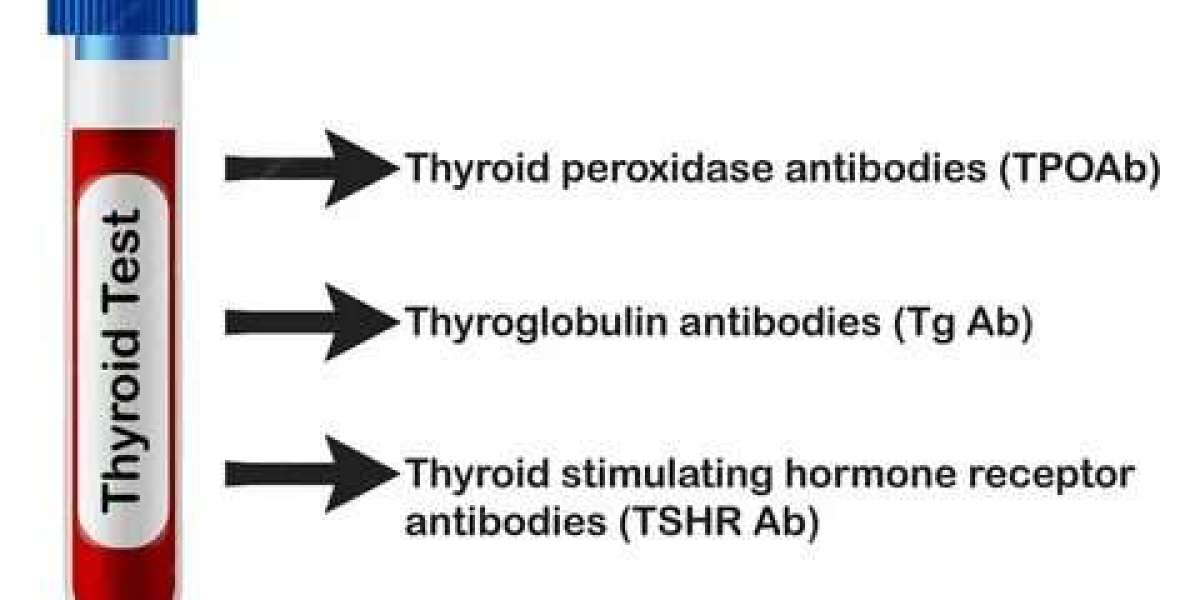

When a blood test reveals elevated thyroglobulin antibodies, it is natural to wonder whether the result means you have a thyroid disorder. The Anti-Thyroglobulin Antibodies Test in Dubai is a useful tool for investigating thyroid autoimmunity, but it cannot independently confirm every thyroid condition or determine how well the thyroid gland is functioning.
Doctors interpret this test alongside symptoms, medical history, thyroid hormone measurements, and sometimes imaging or additional antibody tests. Understanding what the test can and cannot reveal helps prevent unnecessary worry and makes it easier to discuss the next steps with a healthcare professional.
In this guide, we explain why thyroglobulin antibody testing is helpful, when additional investigations are needed, and how doctors build a more complete picture of thyroid health.
The Short Answer: Helpful Evidence, Not a Complete Diagnosis
A thyroglobulin antibodies test, often abbreviated as TgAb or anti-thyroglobulin antibody testing, measures antibodies directed against thyroglobulin. Thyroglobulin is a protein produced by the thyroid gland that helps the body make thyroid hormones, including thyroxine (T4) and triiodothyronine (T3).
When the immune system mistakenly targets components of the thyroid, it may produce these antibodies. Detecting them can support a suspected diagnosis of autoimmune thyroid disease, particularly Hashimoto's thyroiditis.
However, a positive TgAb result does not automatically mean that you have a thyroid condition requiring treatment. Some people have detectable thyroid antibodies while their thyroid hormone levels remain normal. Conversely, a negative result does not rule out autoimmune thyroid disease.
The test is best understood as one piece of diagnostic evidence rather than a standalone answer.
What Can the Test Actually Tell Your Doctor?
The value of TgAb testing depends on the clinical question being investigated. It can help in several ways, but its findings have specific limitations.
1. It can support an investigation for autoimmune thyroid disease
Hashimoto's thyroiditis is an autoimmune condition that can gradually damage the thyroid and lead to hypothyroidism, or an underactive thyroid.
A positive thyroglobulin antibody result may support this possibility, especially when a patient also has symptoms, an elevated thyroid-stimulating hormone (TSH) level, or other evidence of thyroid inflammation.
Doctors often test thyroid peroxidase antibodies (TPO antibodies) as well. TPO antibodies are commonly associated with Hashimoto's disease and may be more useful than TgAb in many diagnostic situations.
Neither antibody test should be interpreted without considering the patient's overall clinical picture.
2. It provides information about immune activity, not thyroid function itself
The TgAb test measures antibodies, not the amount of thyroid hormone circulating in the blood.
To assess thyroid function, doctors usually begin with TSH and may measure free T4. Depending on the findings, they may also request additional tests.
For example, a person may have elevated TgAb with normal TSH and free T4. This can indicate thyroid autoimmunity without current evidence of impaired hormone production. Another person may have an abnormal TSH result that requires further evaluation regardless of whether TgAb is positive or negative.
This distinction matters because thyroid antibody levels alone cannot establish whether the thyroid is underactive, overactive, or functioning normally.
3. It may help interpret thyroglobulin measurements in selected patients
Thyroglobulin antibodies have another important role in the follow-up of certain thyroid cancer patients.
Thyroglobulin may be measured after treatment for differentiated thyroid cancer to help assess the patient's status over time. However, TgAb can interfere with some laboratory methods used to measure thyroglobulin, making the thyroglobulin result less reliable.
For this reason, specialists may measure thyroglobulin antibodies alongside thyroglobulin during follow-up. Antibody trends can sometimes provide additional information, but they must be interpreted with other findings and the appropriate laboratory method.
This is a specialized use of the test. TgAb testing is not a general screening test for thyroid cancer.
Why One Abnormal Result May Not Be Enough
A thyroid diagnosis depends on more than the presence or absence of antibodies. Several factors can affect how a doctor interprets a thyroglobulin antibody result.
Antibodies can occur without obvious thyroid dysfunction. A positive result may indicate an autoimmune tendency, but it does not prove that thyroid hormone production has been affected.
Different thyroid conditions can share similar findings. TgAb may be present in people with Hashimoto's thyroiditis and some people with Graves' disease. It does not reliably distinguish between these conditions.
Laboratory methods and reference ranges vary. Different laboratories may use different assays and cutoffs. A result should be compared with the reference interval supplied by the laboratory that performed the test.
Symptoms are not specific to thyroid disease. Fatigue, weight changes, hair thinning, constipation, anxiety, and changes in heart rate can have many causes. These symptoms need clinical assessment rather than an assumption that antibodies explain them.
For these reasons, doctors combine test results with a physical examination, personal and family history, medications, and other relevant findings.
Which Additional Tests Help Establish a Diagnosis?
When a thyroid condition is suspected, a clinician selects additional tests according to the symptoms and initial results. Not every patient needs every investigation.
Thyroid-stimulating hormone is often the first blood test used to evaluate thyroid function. A high TSH level may suggest an underactive thyroid, while a low level may indicate an overactive thyroid. Interpretation depends on the clinical situation and other test results.
Free T4 helps determine whether thyroid hormone levels are low, normal, or high. When considered alongside TSH, it can help distinguish different patterns of thyroid dysfunction.
Thyroid peroxidase antibodies are commonly used to investigate autoimmune thyroid disease, especially Hashimoto's thyroiditis. A doctor may request TPO antibodies when TgAb is negative but clinical suspicion remains, or when additional evidence of autoimmunity would help clarify the diagnosis.
If symptoms and thyroid function tests suggest an overactive thyroid, thyroid-stimulating hormone receptor antibodies (TRAb) or thyroid-stimulating immunoglobulin (TSI) may help assess for Graves' disease. TgAb is not the primary antibody test for confirming this condition.
Ultrasound creates images of the thyroid gland. It may be recommended when a clinician detects an enlarged thyroid, a lump, or another structural concern. It is not automatically necessary simply because thyroid antibodies are positive.
Together, these investigations help doctors distinguish thyroid autoimmunity from actual changes in thyroid function and from other causes of thyroid symptoms.
Three Common Result Patterns and What They May Mean:
The following examples illustrate why doctors consider several findings together. They are general examples, not individual diagnoses.
Pattern A: Positive TgAb with normal TSH and free T4
This pattern may indicate thyroid autoimmunity without current biochemical evidence of thyroid dysfunction. Depending on the patient's circumstances, a clinician may recommend monitoring thyroid function rather than starting medication.
Pattern B: Positive TgAb with elevated TSH and low free T4
This combination is consistent with an underactive thyroid. If the clinical history and other findings support Hashimoto's thyroiditis, the antibody result may help identify an autoimmune cause. Treatment decisions depend on the full assessment, not the antibody level alone.
Pattern C: Negative TgAb with abnormal thyroid function tests
A negative TgAb result does not rule out thyroid disease. The clinician may consider TPO antibodies, medication effects, other causes of abnormal thyroid function, and additional testing where appropriate.
These examples show why the antibody result should never replace thyroid function testing.
What Happens After a Positive Test?
A positive thyroglobulin antibody result does not automatically lead to treatment, specialist referral, or repeated blood tests. The next step depends on why the test was ordered and what the other findings show.
Your healthcare professional may:
Review TSH and free T4 results to assess thyroid function.
Consider TPO antibodies or other tests if the diagnosis remains uncertain.
Assess symptoms, examination findings, and relevant medical history.
Recommend periodic thyroid function monitoring when appropriate.
Refer you to an endocrinologist if the clinical situation is complex or requires specialist care.
Repeated TgAb measurements are not routinely necessary for everyone with autoimmune thyroid disease. In many cases, monitoring thyroid function and symptoms provides more useful information for ongoing care.
Do not begin thyroid medication or supplements intended to treat a thyroid disorder solely because an antibody result is elevated.
Questions to Ask Before Accepting a Thyroid Diagnosis:
If you have received an abnormal result, these questions can make your follow-up appointment more productive:
Does my result fall outside this laboratory's reference range?
Do my TSH and free T4 results show a thyroid hormone problem?
Is there enough evidence to identify a specific thyroid condition?
Would TPO antibodies or another test help clarify the findings?
Do I need treatment now, or is monitoring appropriate?
When should my thyroid function be checked again?
These questions focus on the information needed to guide care rather than treating the antibody number as a diagnosis by itself.
Frequently Asked Questions:
Can a thyroglobulin antibodies test diagnose Hashimoto's disease on its own?
No. A positive result can support a diagnosis of Hashimoto's thyroiditis, but doctors consider symptoms, TSH, free T4, other antibody results, and clinical findings. Some people with Hashimoto's disease have negative TgAb results.
Can my thyroid be healthy if TgAb is positive?
Your thyroid hormone levels may be normal despite detectable antibodies. However, the result may indicate an increased likelihood of autoimmune thyroid disease, so your clinician may recommend monitoring based on your circumstances.
Does a high TgAb level mean my thyroid disease is severe?
Not necessarily. The antibody concentration does not reliably measure disease severity or determine how much treatment is needed. Thyroid function, symptoms, and other clinical findings are more important when making management decisions.
Do I need a thyroid ultrasound if my antibodies are elevated?
Not always. Ultrasound is generally considered when there is a structural concern, such as a thyroid enlargement or nodule, or when the clinician identifies another reason for imaging. Elevated antibodies alone do not automatically require an ultrasound.
Final Verdict: Diagnosis Requires the Bigger Picture
The Thyroglobulin Antibodies Lab tests can provide valuable evidence when doctors investigate autoimmune thyroid disease or interpret thyroglobulin measurements during selected thyroid cancer follow-up plans. However, it is not enough on its own to diagnose every thyroid condition, measure thyroid function, or determine whether treatment is necessary.
A more reliable assessment combines TgAb results with TSH, free T4, other relevant antibody tests, symptoms, medical history, and additional investigations when indicated. If your result is abnormal, ask your healthcare professional what it means in the context of your overall health before drawing conclusions.
Medical disclaimer: This article is for educational purposes only and does not replace professional medical advice, diagnosis, or treatment. Consult a qualified healthcare professional to interpret your results and discuss appropriate follow-up. Do not start or change medication based solely on this article.
Editorial recommendation: Before publication, arrange review by a qualified endocrinologist or appropriately credentialed healthcare professional. Include the reviewer's credentials, the medical review date, and links to authoritative sources such as the American Thyroid Association and recognized clinical laboratory guidance.