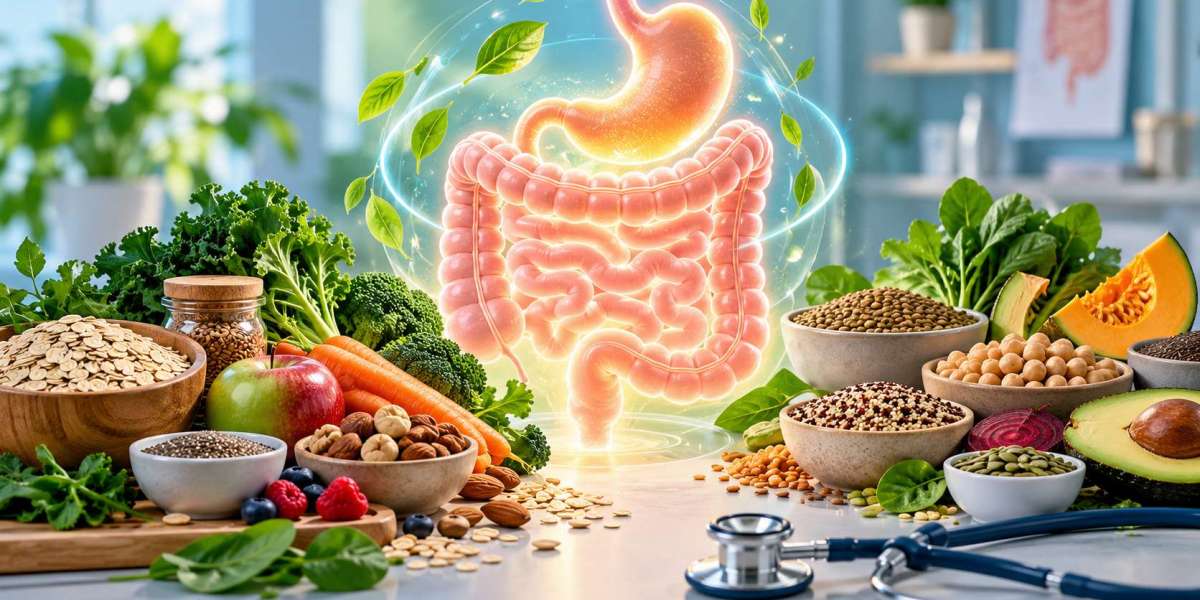

From TikTok videos to Instagram health influencers, a trend called “Fibermaxxing” has gained attention in 2026. It encourages people to consume more dietary fiber to improve digestion, support beneficial gut bacteria, and maintain regular bowel movements.
While eating enough fiber is essential for digestive health, dramatically increasing fiber intake overnight can sometimes cause uncomfortable symptoms, including bloating, excessive gas, abdominal cramps, and changes in bowel habits.
Understanding the benefits and limitations of this trend can help you make healthier choices without putting unnecessary stress on your digestive system.
What Is Fibermaxxing and Why Is It Going Viral?
Fibermaxxing refers to intentionally increasing dietary fiber consumption, often by adding more vegetables, fruits, whole grains, legumes, seeds, and high-fiber supplements to daily meals.
The trend has gained popularity because fiber supports several important aspects of health.
Unlike many restrictive dietary trends, Fibermaxxing encourages people to add nutritious foods rather than eliminate entire food groups.
However, social media videos sometimes promote excessively high fiber consumption without explaining that the digestive system needs time to adjust.
The important question is not how much fiber you can eat, but how much fiber your body needs and tolerates.
7 Signs Your Digestive System May Be Struggling
Digestive symptoms can develop for many reasons, including dietary changes, food intolerances, and underlying gastrointestinal conditions.
1. Persistent Abdominal Bloating
Bloating is a feeling of fullness, pressure, or swelling in the abdomen.
It may become more noticeable after eating high-fiber meals, particularly when fiber intake increases suddenly.
2. Excessive Gas
Fiber is partly broken down by bacteria in the large intestine. This process can produce gas.
Although gas production is normal, excessive gas accompanied by discomfort may indicate that dietary adjustments are needed.
3. Abdominal Cramps
Sudden dietary changes may cause uncomfortable intestinal sensations or cramping.
Persistent or severe abdominal pain should not automatically be blamed on fiber consumption.
4. Constipation
Fiber can help prevent constipation, but increasing fiber without sufficient fluid intake may worsen symptoms in some individuals.
Constipation can also result from medications, inadequate physical activity, and medical conditions.
5. Diarrhea
Certain high-fiber foods may contribute to loose stools, particularly in people with sensitive digestive systems.
Frequent or prolonged diarrhea requires medical assessment.
6. Feeling Uncomfortably Full
Some people experience prolonged fullness or discomfort after consuming unusually large amounts of high-fiber foods.
7. Changes in Bowel Habits
A sudden change in bowel movements may occur after dietary adjustments.
However, persistent changes should be evaluated rather than attributed entirely to a new food trend.
How Does Dietary Fiber Support Gut Health?
Dietary fiber is a type of carbohydrate that the human digestive system cannot fully break down.
It plays several important roles in digestive and metabolic health.
Supports Regular Bowel Movements
Fiber helps maintain normal stool consistency and supports bowel regularity.
Nourishes Beneficial Gut Bacteria
Certain fibers act as prebiotics, providing nourishment for beneficial microorganisms living in the digestive tract.
Supports Cholesterol Management
Some types of soluble fiber can help lower LDL cholesterol when included as part of a balanced diet.
Helps Regulate Blood Sugar
Fiber-rich foods can slow the absorption of certain carbohydrates and support healthier blood glucose responses.
Promotes Satiety
High-fiber foods may help people feel satisfied after meals and support healthy eating habits.
These benefits explain why gastroenterologists and nutrition professionals commonly recommend including fiber-rich foods in a balanced diet.
How Much Fiber Should You Eat Daily?
The ideal amount of fiber depends on age, sex, diet, and individual health circumstances.
According to the US National Institute of Diabetes and Digestive and Kidney Diseases, general adult recommendations range from approximately 22 to 34 grams of dietary fiber per day, depending on age and sex.
Eating far beyond your individual requirements is not necessarily more beneficial.
For someone accustomed to a low-fiber diet, suddenly doubling their intake can lead to digestive discomfort.
The safest practical approach is to increase fiber gradually while maintaining appropriate fluid intake.
Patients with certain digestive disorders may need individualized nutritional recommendations rather than following general social media advice.
Best Natural Fiber Foods for Digestive Health in Pakistan
Healthy fiber consumption does not require expensive imported supplements or specialized products.
Many commonly available Pakistani foods are valuable sources of dietary fiber.
Whole Grains
Whole wheat roti, oats, barley, and other whole grains contribute to daily fiber intake.
Lentils and Legumes
Daal, chickpeas, beans, and other pulses provide fiber along with plant-based protein.
Fresh Fruits
Guava, apples, pears, oranges, and other fruits contain different types of dietary fiber.
Vegetables
Carrots, spinach, peas, broccoli, and various seasonal vegetables support a balanced diet.
Nuts and Seeds
Almonds, chia seeds, and flaxseeds can contribute additional fiber when consumed in suitable portions.
A varied diet containing different fiber sources is generally more useful than depending on one particular food or supplement.
Can Fibermaxxing Make IBS Symptoms Worse?
Yes, in some individuals.
Irritable Bowel Syndrome (IBS) is a common disorder of gut-brain interaction that can cause abdominal pain and changes in bowel movements.
Symptoms may include constipation, diarrhea, bloating, or a combination of these problems.
Certain rapidly fermentable carbohydrates can increase gas and discomfort in susceptible patients.
Some individuals with IBS benefit from particular forms of soluble fiber, while others may experience worsening symptoms after consuming large amounts of certain fiber-rich foods.
This does not mean all patients with IBS should avoid fiber.
Instead, dietary adjustments should be individualized according to symptoms and medical history.
If you frequently experience abdominal discomfort, constipation, diarrhea, or persistent bloating, consulting the best gastroenterologist in Lahore for your specific needs can help identify potential causes and determine whether further evaluation is appropriate.
6 Common Gut Health Myths Circulating on Social Media
Myth 1: More Fiber Always Means Better Digestion
Fact: Adequate fiber is beneficial, but excessive or sudden increases may cause discomfort.
Myth 2: Every Person Needs Probiotic Supplements
Fact: Probiotic supplements are not necessary for everyone. Their benefits depend on the specific product, health condition, and available evidence.
Myth 3: Bloating Always Means Poor Gut Health
Fact: Occasional bloating can occur during normal digestion. Persistent or concerning symptoms require appropriate assessment.
Myth 4: Detox Drinks Can Clean Your Intestines
Fact: There is insufficient evidence that commercial detox drinks improve digestive health in otherwise healthy people. Some products may cause diarrhea, dehydration, or other adverse effects.
Myth 5: Constipation Can Always Be Fixed by Eating More Fiber
Fact: Constipation has multiple possible causes. Some patients require medication, investigations, or other treatment approaches.
Myth 6: Every Digestive Problem Is Caused by Bad Gut Bacteria
Fact: Digestive symptoms may result from food intolerances, infections, inflammatory conditions, medication effects, and disorders of gut-brain interaction.
How to Increase Fiber Without Causing Digestive Problems
A gradual, practical approach can make increasing dietary fiber more comfortable.
Start Slowly: Add small amounts of fiber-rich foods to your existing diet rather than making extreme changes overnight.
Drink Adequate Fluids: Maintaining appropriate hydration can support comfortable bowel movements.
Choose Different Fiber Sources: Include a mixture of vegetables, fruits, whole grains, and legumes.
Pay Attention to Symptoms: Keep track of foods that consistently trigger discomfort.
Avoid Unnecessary Supplements: Do not assume fiber powders are essential when your daily diet already provides adequate fiber.
Remain Physically Active: Regular movement supports general health and can benefit bowel regularity.
Seek Professional Guidance: Individuals with chronic digestive conditions may require personalized dietary recommendations.
When Is Bloating a Warning Sign of Something Serious?
Occasional bloating after meals is common and does not necessarily indicate a serious illness.
However, persistent or worsening symptoms deserve medical attention.
Potential underlying causes include:
Irritable Bowel Syndrome (IBS).
Lactose intolerance.
Chronic constipation.
Celiac disease.
Small intestinal bacterial overgrowth (SIBO).
Gastroesophageal reflux disease (GERD).
Other gastrointestinal disorders.
Seek medical evaluation if bloating is accompanied by unexplained weight loss, persistent vomiting, blood in the stool, ongoing changes in bowel habits, or significant abdominal pain.
Severe abdominal pain, a markedly swollen abdomen with inability to pass stool or gas, or significant gastrointestinal bleeding requires urgent medical attention.
When Should You Consult a Gastroenterologist?
A gastroenterologist specializes in conditions affecting the digestive system, including the esophagus, stomach, intestines, liver, pancreas, and related organs.
You may benefit from a consultation if you experience persistent abdominal discomfort, recurrent acidity, unexplained digestive symptoms, prolonged constipation, recurring diarrhea, or difficulty tolerating certain foods.
Depending on the clinical findings, a specialist may recommend blood tests, stool investigations, imaging, endoscopy, or other examinations.
Not every patient requires extensive investigations. The appropriate approach depends on symptoms, age, medical history, and risk factors.
For people searching for the best gastroenterologist in Lahore, choosing a qualified specialist who provides a careful assessment and evidence-based recommendations is an important part of managing digestive health concerns.
Frequently Asked Questions About Fibermaxxing and Gut Health
Q1: Is Fibermaxxing safe for everyone?
Increasing fiber through a balanced diet is beneficial for many adults. However, individuals with certain digestive conditions may need tailored recommendations.
Q2: Why do I feel bloated after eating more fiber?
Gut bacteria ferment certain fibers and produce gas. A sudden dietary change can temporarily increase bloating.
Q3: Can high-fiber foods cause constipation?
Fiber usually supports bowel regularity, but increasing certain fibers too quickly or without adequate fluid intake can worsen discomfort or constipation in some people.
Q4: Do I need expensive fiber supplements?
Not necessarily. Many people can obtain sufficient fiber from ordinary foods.
Q5: Is daily bloating normal?
Occasional bloating is common, but frequent, persistent, worsening, or disruptive bloating deserves medical evaluation.
Final Message: Follow Science, Not Every Viral Gut Health Trend
Fibermaxxing has brought welcome attention to the importance of dietary fiber.
However, digestive health cannot be improved simply by consuming the largest possible amount of fiber.
A balanced diet, gradual dietary changes, adequate hydration, suitable physical activity, and professional guidance when needed are more dependable approaches.
Remember that persistent bloating, abdominal pain, constipation, or diarrhea may indicate an underlying gastrointestinal condition rather than a simple dietary problem.
A healthy gut is about balance, not extremes.
Gastroenterology Consultation in Johar Town, Lahore
Dr Habib Raja MBBS , FCPS , Gastroenterologist in Lahore
For concerns related to digestive problems, bloating, acidity, constipation, diarrhea, and other gastrointestinal symptoms, arrange a consultation for appropriate medical assessment.
Address: 7, Block M Phase 2 Johar Town, Lahore, 54782
Phone: 03116712017
Google Maps: https://maps.app.goo.gl/qjipESFkAC9kTJAJ9
Better Digestion. Better Gut Health. Better Quality of Life.
Medical Disclaimer: This article is intended for general educational and patient awareness purposes. It does not replace professional medical diagnosis or treatment.