
Metal surfaces often develop rust, oxidation, paint residues, oil stains, and other contaminants during manufacturing, storage, and everyday use. Removing these unwanted materials is essential for maintaining product quality and preparing components for further processing. A laser metal cleaner offers a modern approach to surface cleaning by using concentrated laser energy to remove contaminants from metal surfaces with precision.
As industries seek efficient and reliable cleaning methods, laser technology is becoming an increasingly popular option for workshops, factories, automotive manufacturers, and metal fabrication businesses. Its ability to target unwanted surface layers makes it suitable for a wide range of industrial cleaning applications.
What Is a Laser Metal Cleaner?
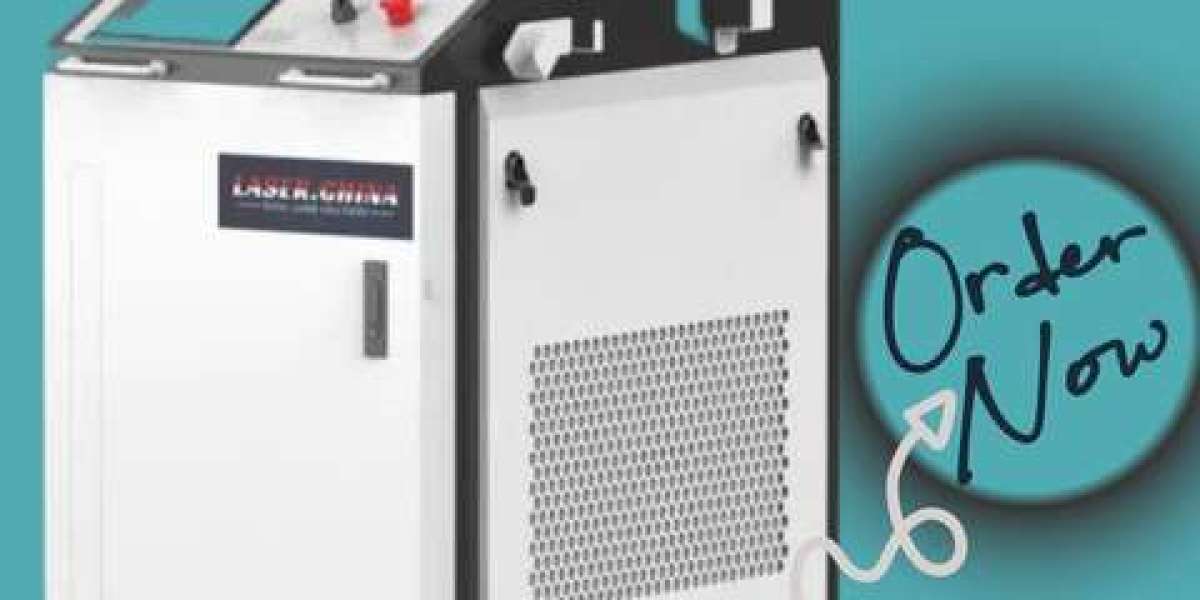
A laser metal cleaner is an industrial machine that uses a controlled laser beam to remove rust, paint, oxide layers, grease, and other surface impurities. The laser interacts with the unwanted material, helping separate or remove it from the underlying metal.
Many systems use pulsed or continuous-wave fiber laser technology, depending on the cleaning requirements and machine design. Pulsed systems are often selected for applications requiring precise control of heat input, while continuous-wave systems may be suitable for certain high-speed industrial cleaning tasks.
The appropriate system depends on the type of contaminant, the metal substrate, the required cleaning speed, and the desired surface finish.
How Does Laser Metal Cleaning Work?
Laser cleaning works by directing laser energy onto a contaminated surface. The unwanted material absorbs the energy and is removed through processes such as ablation or thermal effects. The exact mechanism depends on the laser parameters and the properties of the material being cleaned.
Operators can adjust settings such as power, scanning speed, pulse frequency, and beam movement to match the cleaning task. Correct parameter selection is important because excessive energy can discolor, roughen, or damage the underlying metal.
Before starting a full production run, testing the selected settings on a sample surface helps establish suitable cleaning conditions.
Common Applications Across Industries
A laser metal cleaner can support a variety of industrial processes where surface cleanliness is important.
Rust and Corrosion Removal
Metal parts exposed to moisture and air can develop rust over time. Laser cleaning can remove rust from steel components, machinery parts, tools, and metal structures before maintenance, coating, or further processing.
Paint and Coating Removal
Removing old paint or unwanted coatings is often necessary during restoration and manufacturing. Laser systems can target selected areas, making them useful for preparing metal surfaces for refinishing.
Surface Preparation Before Welding
Clean metal surfaces help support consistent welding processes. Laser cleaning can remove certain oxides, residues, and contaminants before welding, depending on the material and application requirements.
Automotive and Machinery Maintenance
Automotive components, industrial equipment, molds, and machine parts may require periodic cleaning. Laser technology can be used for selected maintenance tasks where controlled surface treatment is needed.
Manufacturing and Restoration
Metal fabrication businesses and restoration workshops can use laser cleaning to prepare components, remove surface contamination, and clean selected metal objects without relying on abrasive blasting.
Choosing the Right Laser Cleaning Machine
Selecting a suitable machine requires careful consideration of the intended application. Laser power is an important factor because it influences cleaning speed and the range of tasks a system can handle. However, higher power does not automatically mean better results for every material.
The type of laser source, pulse characteristics, scanning system, cooling arrangement, and control interface should also be evaluated. Businesses should consider whether they need a portable handheld unit for flexible work or an integrated system for a production line.
It is equally important to assess the machine's compatibility with the target material. Aluminum, stainless steel, carbon steel, and other metals respond differently to laser energy. Testing helps identify settings that remove contaminants while preserving the required surface quality.
Safety and Maintenance Considerations
Industrial laser cleaning requires appropriate safety precautions. High-powered laser beams can cause severe eye and skin injuries, and reflected laser energy can create additional hazards. Operators should use a properly enclosed or controlled laser work area, suitable wavelength-rated protective equipment, and the safety measures specified by the manufacturer.
Fumes and particles produced during cleaning may contain hazardous substances from rust, paint, coatings, or other residues. Effective extraction and filtration should be selected according to the materials involved.
Regular inspection of optical components, protective lenses, cooling systems, cables, and scanning equipment helps maintain reliable operation. Following the manufacturer's maintenance schedule can also reduce unexpected downtime.
Understanding Laser Metal Cleaner Prices
The cost of a laser metal cleaner varies according to laser power, technology, portability, automation level, accessories, and manufacturer. Entry-level systems designed for lighter applications may cost considerably less than high-power industrial installations.
When comparing quotations, consider warranty coverage, technical support, spare parts availability, operator training, and local service options. Request a demonstration using your actual workpiece whenever possible. This helps determine whether the machine meets your cleaning requirements before making a purchasing decision.
Final Thoughts
Laser cleaning technology provides industries with a precise and modern method for removing rust, coatings, and other contaminants from metal surfaces. A well-selected laser metal cleaner can support manufacturing, maintenance, restoration, and surface preparation workflows when its capabilities match the application.
Before investing, evaluate the materials you process, the contaminants you need to remove, the required production speed, and the safety arrangements available at your facility. With suitable equipment, trained operators, and carefully tested parameters, laser cleaning can become a valuable part of an industrial surface treatment process.