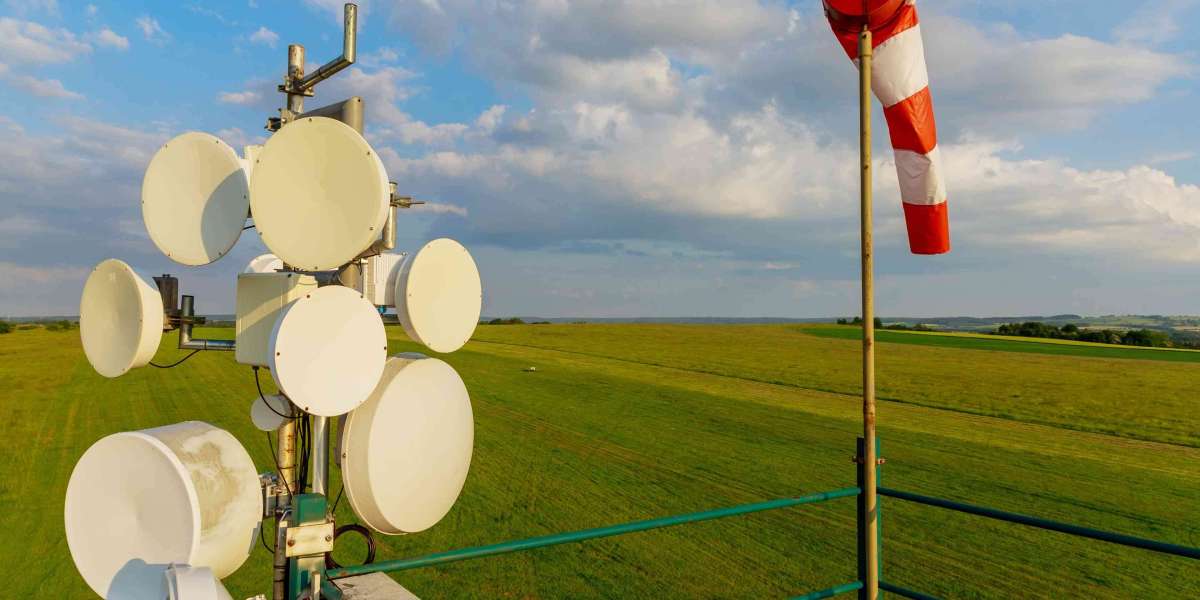

A weather monitoring system seems simple on the surface. You check an app or a website and get instant data about the temperature, wind, and rain. But behind that simple interface is a complex network of hardware and software working together to capture, process, and deliver accurate information about our ever-changing atmosphere.
These systems are the backbone of modern meteorology. They provide the critical data needed for everything from daily weather forecasts to severe storm warnings and long-term climate studies. Understanding how they are built reveals a fascinating interplay between physical instruments, data processing, and global communication networks.
At its heart, a weather monitoring system is an integrated solution for measuring environmental conditions. The process begins with the frontline instruments that interact directly with the atmosphere. These meteorological sensors are the system's eyes and ears, responsible for detecting physical changes like temperature, humidity, and wind speed. They are the essential first link in the chain of data collection.
This article will break down the five essential components that make up a modern weather monitoring system. We will explore the role of each part, from the sensors that gather the data to the software that makes sense of it all. By the end, you will understand the complete journey of a weather data point from the air to your screen.
1. Sensors and Sensor Suite
The first and most critical component is the sensor suite. This is the collection of instruments that directly measures the physical properties of the atmosphere. A typical weather station includes several different sensors, each designed for a specific task.
- Thermometer: Measures air temperature, usually with a thermistor or an RTD (Resistance Temperature Detector). These devices change their electrical resistance in response to temperature changes.
- Hygrometer: Measures relative humidity. Most modern systems use a capacitive sensor with a special polymer film that absorbs moisture from the air, changing its electrical capacitance.
- Barometer: Measures atmospheric pressure. Tiny MEMS (Micro-Electro-Mechanical Systems) sensors with a flexible diaphragm are the standard, detecting changes in air pressure.
- Anemometer: Measures wind speed. This can be a classic spinning cup anemometer or a more advanced ultrasonic anemometer with no moving parts.
- Wind Vane: Measures wind direction, pointing into the wind to determine its origin.
- Rain Gauge: Measures precipitation, often using a tipping-bucket mechanism that counts every 0.01 inches of rain.
These sensors are often bundled together into a single unit called an Integrated Sensor Suite (ISS) for easier installation and maintenance. To ensure accuracy, the entire suite is carefully placed in an open area away from buildings and trees that could obstruct wind or cast shadows.
2. The Data Logger
The sensors generate raw electrical signals, but these signals are meaningless on their own. The second key component is the data logger, which acts as the central brain of the weather station. Its job is to collect, process, and store the information coming from the sensor suite.
The data logger performs several crucial functions:
- Signal Conversion: It converts the analog electrical signals from the sensors (like changes in resistance or capacitance) into digital values that a computer can understand. For example, it translates a specific resistance reading from the thermometer into a precise temperature, like 25.1°C.
- Data Aggregation: The logger collects readings from all the sensors at regular intervals, often every few seconds. It then aggregates this data into standard timeframes, such as one-minute or ten-minute averages.
- Onboard Storage: It has internal memory to store the collected data. This is a critical backup feature. If the station loses its connection to the internet, the logger continues to record data, which can be retrieved later. This prevents gaps in the historical record.
- Time Stamping: The data logger assigns a precise timestamp to every piece of data it records. This is vital for analyzing trends and understanding when specific weather events occurred.
Without a data logger, the information from the sensors would be a jumble of disconnected electrical pulses. The logger is what organizes this chaos into a clean, usable dataset.
3. Power Supply
A weather monitoring system must operate reliably 24/7, often in remote locations where grid power is unavailable. This makes the power supply a fundamental component. A robust power system ensures the station can continue collecting data through storms, power outages, and long nights.
There are two primary power solutions for modern weather stations:
- AC Power: In urban or residential settings, the station can be plugged directly into a standard electrical outlet. However, even these systems require a battery backup to ensure they keep running during a power failure.
- Solar Power: This is the most common solution for remote professional weather stations. A solar panel charges a rechargeable battery during the day. The battery then provides power to the data logger and sensors through the night and during cloudy periods. The system is designed with enough battery capacity to operate for several days without any sun, ensuring continuous operation.
The choice of power supply depends on the location and application, but the goal is always the same: to provide uninterrupted power for uninterrupted data collection.
4. Communication and Telemetry
Once the data is collected and stored by the data logger, it needs to be transmitted to a central server or a user's device for analysis and viewing. This is the job of the communication or telemetry component. This system is what connects the remote weather station to the wider world.
Several communication methods are used, depending on the station's location and requirements:
- Wi-Fi: Personal weather stations often use Wi-Fi to connect to a home internet router, uploading data to cloud services.
- Cellular Modem: This is the most common method for professional remote stations. A built-in cellular modem transmits data over 4G or 5G networks, just like a smartphone. This allows stations to be placed almost anywhere there is a cell signal.
- Satellite Modem: For extremely remote locations with no cellular coverage, such as in the polar regions or the middle of the ocean, a satellite modem is used. While more expensive, it provides a reliable connection from anywhere on Earth.
- Radio Transmission: In some cases, a station might transmit data via a dedicated radio link to a nearby receiver connected to the internet.
This communication link allows for real-time monitoring of weather conditions, which is essential for forecasting and issuing timely alerts.
5. Software and Data Visualization
The final component is the software that receives, stores, and visualizes the data. Raw numbers in a spreadsheet are useful for scientists, but most users need a more intuitive way to understand the weather. This software transforms the data into actionable insights.
This component typically includes:
- A Central Database: All data transmitted from the weather stations is stored in a secure, centralized database on a server.
- Analysis Tools: The software provides tools for analyzing the data, such as calculating daily averages, finding monthly highs and lows, and generating reports.
- Data Visualization: This is the user-facing part of the system. It presents the data in an easy-to-understand format, such as:
- Dashboards: A live view of current conditions with gauges and dials.
- Graphs and Charts: Visual representations of how conditions have changed over time.
- Maps: Displays of data from multiple stations across a geographic area.
- Alerting System: The software can be configured to send automatic alerts via email or text message when certain weather thresholds are met, such as high winds or freezing temperatures.
This software component is what ultimately makes the data useful, turning a stream of numbers into the weather forecast on your phone or the flood warning on the evening news. Together, these five components form a complete system that seamlessly captures the state of the atmosphere and delivers it to our fingertips.