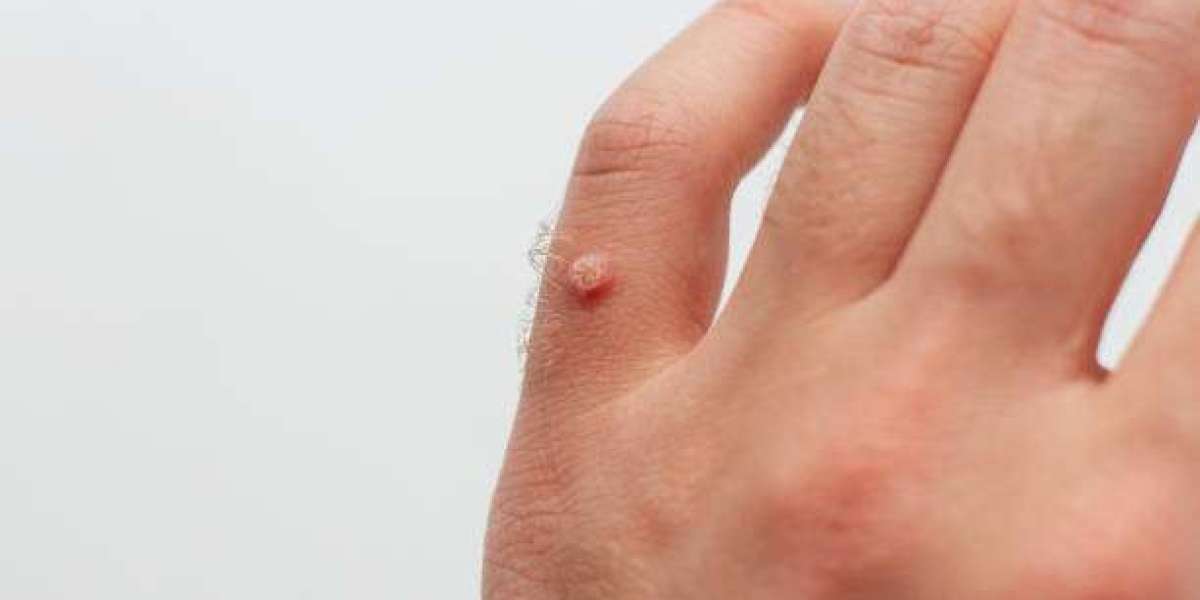

Warts are common skin growths that can affect the hands, feet, face, and other parts of the body. Although they are usually harmless, they may cause discomfort, irritation, or concerns about skin appearance. Understanding warts removal treatment in Riyadh can help individuals explore suitable treatment options, learn how the healing process works, and make informed decisions about maintaining healthy-looking skin. With appropriate professional guidance and proper aftercare, many warts can be managed effectively while supporting the skin's natural recovery.
Understanding Warts and Their Causes
Warts are generally caused by certain types of human papillomavirus (HPV), which infect the outer layer of the skin. The virus may enter through tiny cuts, scratches, or damaged skin, leading to excess cell growth and the development of a raised or rough bump.
Different types of warts can appear in different areas. Common warts frequently develop on the hands and fingers, plantar warts occur on the soles of the feet, and flat warts may appear in clusters. Some growths can resemble other skin conditions, so professional assessment is important before beginning treatment.
When Should You Consider Wart Removal?
Many warts eventually disappear without treatment, but some remain for months or longer. Professional evaluation may be helpful when a wart becomes uncomfortable, spreads, interferes with daily activities, or causes concerns about appearance.
Warts that bleed, change colour, grow rapidly, or have an unusual shape should be examined by a healthcare professional rather than treated at home. Early assessment can help identify the nature of the growth and determine the safest next steps.
Common Warts Removal Treatment Options
The most appropriate Warts removal treatment in Riyadh depends on the wart's location, size, type, and response to previous treatments. A qualified practitioner can examine the affected area and recommend a suitable approach.
Cryotherapy
Cryotherapy uses liquid nitrogen to freeze wart tissue. The treated tissue gradually breaks down and sheds as the skin heals. Some warts need multiple sessions, and temporary blistering, redness, or tenderness may occur during recovery.
Laser Treatment
Laser treatment uses concentrated light energy to target selected wart tissue or its blood supply. It may be considered for certain persistent warts that have not responded to other approaches. Suitability depends on the individual case, and results can vary.
Topical Treatments
Topical treatments, including salicylic acid preparations, may gradually remove certain warts by breaking down thickened skin. These products require careful use and may not be appropriate for every person or location. Avoid self-treating facial or genital growths without medical advice.
Electrosurgery and Curettage
Electrosurgery uses controlled electrical energy to destroy wart tissue, while curettage involves carefully removing the affected tissue with a suitable instrument. These procedures may be recommended for selected cases and can require local anaesthesia and wound care.
Understanding the Skin Healing Process
Skin healing after wart removal depends on the treatment method, the wart's location, and individual healing characteristics. Some procedures cause temporary redness or blistering, while others leave a small area that needs protection as new skin develops.
During recovery, the treated area may feel sensitive. Following professional aftercare instructions helps protect the skin and reduce unnecessary irritation. Avoid picking at scabs or blisters, as doing so can delay healing and increase the risk of scarring or infection.
Essential Aftercare for Healthy Skin
Proper aftercare supports recovery and helps protect the treated area from further irritation. Keep the skin clean, follow instructions for dressings, and use only recommended skincare products. Avoid applying strong exfoliants or irritating ingredients until the practitioner confirms they are appropriate.
Protect the healing area from repeated friction, and use sun protection when appropriate, particularly on exposed skin. Wash your hands after touching the affected area and avoid sharing towels, nail clippers, or other personal grooming items. Contact a healthcare professional if you notice increasing pain, spreading redness, pus, or other concerning symptoms.
How to Reduce the Risk of Warts Returning
Warts may return after treatment because HPV can remain in nearby skin. Although recurrence cannot always be prevented, good hygiene habits may help reduce the risk of spreading the virus.
Avoid scratching, biting, or picking at warts, and do not shave directly over affected areas. Wear footwear in communal showers and changing areas, keep cuts covered, and avoid sharing personal items that come into contact with affected skin. If a wart returns, seek professional advice before repeating treatment.
Book Your Appointment at Royal Clinic Saudi
If you are concerned about persistent warts or want guidance on skin recovery, Royal Clinic Saudi can be your starting point for discussing Warts removal treatment in Riyadh. Arrange an appointment to learn about appropriate treatment options, understand the expected healing process, and receive personalised aftercare guidance from a qualified practitioner.
FAQs:
1. How long does skin take to heal after wart removal?
Healing may take several days to a few weeks, depending on the treatment and location.
2. Can wart removal leave a scar?
Scarring is possible, but the risk depends on the procedure, skin characteristics, and aftercare.
3. Can I wash the treated area after wart removal?
Usually, yes, but follow your practitioner's specific cleaning and dressing instructions.
4. Can warts return after successful treatment?
Yes, warts can recur because the virus may remain in the surrounding skin.