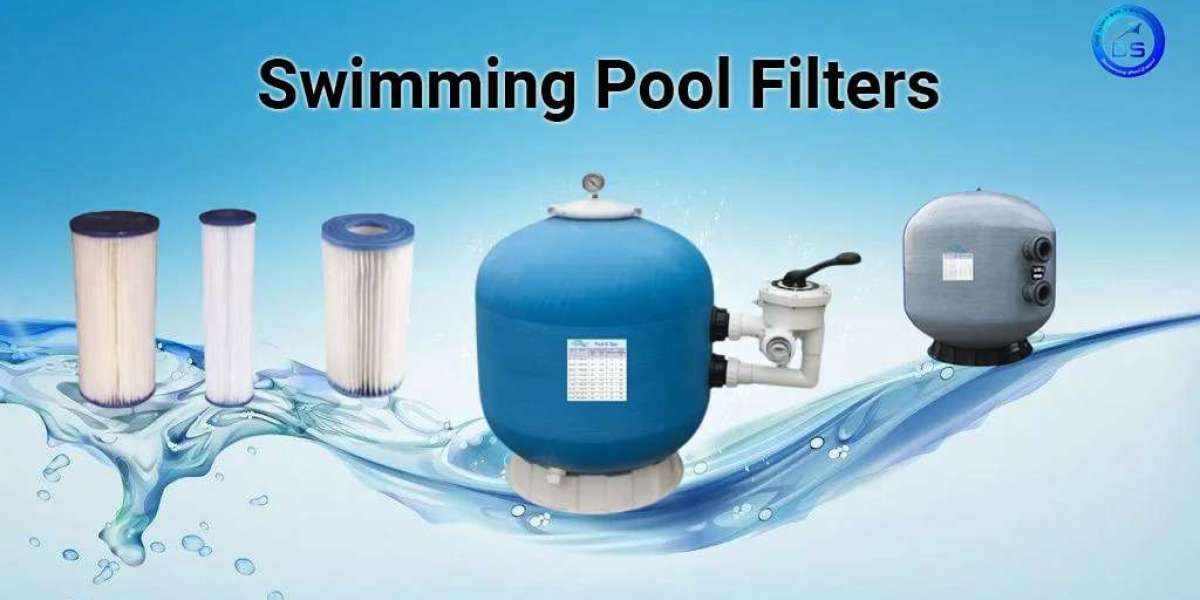

Choosing the right equipment is essential for keeping a swimming pool clean, safe, and comfortable to use. Swimming pool accessories, suitable ladders, and an effective filtration setup each serve a different purpose. In this guide, DS Water Technology explains how pool owners, hotels, clubs, and commercial facilities can select equipment according to pool size, usage, safety needs, and maintenance requirements. From helping swimmers enter and exit the water to removing unwanted particles, the right combination of equipment makes routine pool management easier and helps maintain better water quality.
What Equipment Does a Swimming Pool Need?
A swimming pool requires more than a water tank and a pump. Its equipment should support circulation, filtration, safe access, cleaning, and daily operation. The exact requirements depend on the pool's design and how frequently people use it.
The main equipment categories include:
Filtration equipment: Helps remove suspended dirt and particles from pool water.
Pool ladders: Provides convenient entry into and exit from the water.
Cleaning accessories: Helps remove debris from the pool floor and surface.
Circulation equipment: Moves water through the treatment system.
Lighting and fittings: Supports visibility, convenience, and the pool's overall design.
Selecting compatible equipment from the beginning can simplify installation and reduce avoidable maintenance problems.
How to Select Swimming Pool Accessories for Different Requirements?
The right swimming pool accessories depend on the type of pool, its daily usage, and the maintenance routine. A private residential pool may require basic cleaning tools and safe entry equipment, while a hotel or sports facility may need products designed for more frequent use.
Before purchasing accessories, consider these points:
Pool size: Check whether the equipment suits the pool's dimensions.
Frequency of use: Pools used by many swimmers may require more durable equipment and regular maintenance.
Material quality: Choose materials suitable for continuous exposure to pool water and treatment chemicals.
Compatibility: Confirm that fittings and accessories work with the existing pool structure.
Maintenance needs: Prefer equipment that can be inspected, cleaned, and serviced conveniently.
For example, a pool surrounded by trees may need more frequent surface cleaning than an indoor pool. Similarly, a pool used by children may require additional safety measures and supervised access.
Swimming Pool Ladders: Important Factors to Check
A ladder is an important part of pool access, particularly where the pool has a deep section or a raised edge. Properly selected swimming pool ladders help swimmers enter and leave the water more comfortably.
However, appearance should not be the only selection factor. The ladder must suit the pool's construction and expected usage.
Consider the following features before choosing a ladder:
Material: Stainless steel is commonly used because of its strength and resistance to corrosion, although its suitability depends on the pool environment and grade.
Step design: Steps should provide a stable and comfortable foothold.
Installation: Anchoring points and mounting arrangements must match the pool structure.
Pool depth: Ladder dimensions should suit the height and depth of the installation area.
Regular inspection: Check handrails, fasteners, anchors, and steps for wear or looseness.
For commercial pools, hotels, and clubs, ladders should be selected with particular attention to frequent use and applicable safety requirements. Proper installation and routine inspection are equally important for long-term performance.
Understanding a Swimming Pool Filtration System
A swimming pool filtration system keeps water moving through a process that removes suspended impurities. During normal operation, pool water passes through the circulation system and filter before returning to the pool.
The filtration process generally involves three stages:
Water collection: Water enters the circulation system through designated outlets and skimmers.
Particle removal: The filter traps suspended dirt and other particles as water passes through the filter medium.
Water return: Filtered water moves back into the pool through return fittings.
Filtration is only one part of maintaining pool water quality. Appropriate disinfection, balanced water chemistry, circulation, and regular cleaning are also necessary.
When choosing a filtration setup, evaluate the pool's water volume, expected swimmer load, pump capacity, pipework, and operating schedule. An incorrectly sized system may struggle to maintain water clarity or consume more energy than necessary.
Swimming Pool Filters: Which Type Is Suitable?
Different swimming pool filters use different materials and methods to capture unwanted particles. The most suitable option depends on the pool's requirements, maintenance preferences, and operating budget.
Common filter types include:
1. Sand filters
These filters pass water through specially graded filter media to capture suspended particles. They are widely used in residential and commercial pools and require periodic backwashing or other manufacturer-recommended cleaning.
2. Cartridge filters
Cartridge filters use a replaceable or cleanable pleated element to trap dirt. Depending on the application, they can offer convenient maintenance and may use less water during cleaning because many models do not require backwashing.
3. Diatomaceous earth filters
These filters use a fine filtering medium to capture very small particles. They can provide fine filtration but require careful handling, cleaning, and maintenance according to the manufacturer's instructions.
What Should You Consider Before Buying a Filter?
Before selecting a filter, check:
The pool's total water volume and required turnover rate.
The filter's rated flow capacity.
Compatibility with the circulation pump and plumbing.
Cleaning frequency and replacement requirements.
Available installation space.
Water and energy consumption during operation.
A qualified pool professional can help calculate the required flow rate and match the filter with the complete circulation system.
How Filtration, Ladders, and Accessories Work Together?
Pool equipment performs best when each component is selected as part of a complete setup. A suitable filter supports water clarity, circulation equipment moves water through the system, and the correct accessories help with cleaning and routine operation. Properly installed ladders improve access when used according to the pool's design and safety requirements.
Pool owners should also follow a consistent maintenance schedule. Clean baskets and filter elements as recommended, monitor pressure readings, inspect ladder fixings, and check water chemistry regularly. Replace worn components before they affect performance or safety.
For commercial properties, planned inspections can help identify problems early and reduce unexpected interruptions to pool use.
Why Consider DS Water Technology for Pool Equipment?
DS Water Technology supplies swimming pool products and equipment for residential and commercial applications. When planning a new pool or upgrading an existing installation, buyers should compare product specifications, installation requirements, durability, and ongoing maintenance needs before making a decision.
The company's product range includes equipment categories such as pool filtration products, ladders, fittings, cleaning equipment, and other pool-related solutions. Choosing products that suit the actual pool requirements can help simplify maintenance and support reliable day-to-day operation.
Whether the project involves a home, hotel, club, or institutional facility, the equipment selection should be based on pool dimensions, expected use, safety considerations, and the quality of the water treatment process.
Conclusion
Reliable pool operation depends on suitable equipment, correct installation, and regular maintenance. Filters help remove suspended particles, circulation moves water through the treatment system, and suitable ladders provide convenient access. Accessories also support cleaning and everyday pool care. Selecting compatible products according to pool size, usage, and maintenance needs can improve efficiency and help maintain water quality over time.
DS Water Technology offers swimming pool equipment for residential and commercial requirements. Its product range includes filtration products, ladders, accessories, and other pool solutions. By considering product specifications and application needs, pool owners and facility managers can make informed equipment choices for their projects. A well-planned setup supports easier maintenance and dependable pool operation.