
Owning a swimming pool can make your backyard more enjoyable, providing a relaxing place to cool off, exercise, and spend time with family. However, keeping a pool clean and ready for use requires regular attention, from removing debris to balancing chemicals and checking essential equipment. When maintenance is neglected, small problems can develop into cloudy water, algae growth, clogged filters, or expensive repairs. This is why many homeowners consider swimming pool weekly service a practical investment rather than an optional convenience. Understanding the benefits, costs, and available maintenance options can help you decide whether professional pool care is worth the expense for your property.
What Does Swimming Pool Weekly Service Include?
Depending on the provider and service agreement, a technician may skim leaves and insects from the water, brush the pool walls and steps, vacuum the floor, and empty skimmer and pump baskets. Swimming pool weekly service involves scheduled maintenance visits designed to keep your pool water clean, properly balanced, and supported by a functioning circulation system. These tasks remove visible debris before it accumulates and help prevent organic material from interfering with water quality. Regular cleaning also makes it easier to identify unusual conditions that may require additional attention.
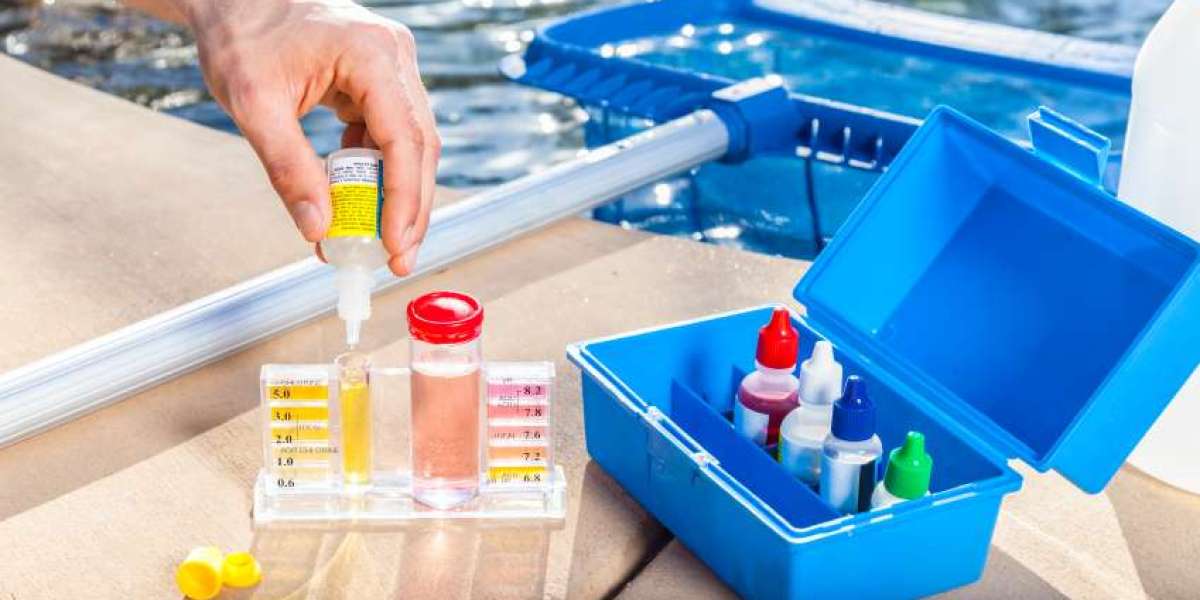
Water chemistry testing is another essential part of professional pool maintenance. Technicians typically check sanitizer levels and pH, while other measurements may include total alkalinity and calcium hardness, depending on the pool's needs. Appropriate chemical balance supports effective sanitation, helps maintain swimmer comfort, and reduces the risk of certain surface and equipment problems. Rather than adding chemicals without testing, a qualified professional can recommend adjustments based on measured results and the manufacturer's guidance.
Weekly visits may also include basic inspections of the pump, filtration system, visible plumbing, and other circulation components. A technician can identify warning signs such as unusual noises, restricted water flow, visible leaks, or abnormal filter pressure. However, equipment repairs, replacement parts, deep filter cleaning, and specialized algae treatments may cost extra. Homeowners should review the service agreement carefully to understand what is included and which tasks require a separate appointment.
The Main Benefits of Weekly Pool Maintenance
One of the biggest advantages of regular maintenance is more consistent water quality. Outdoor pools collect dust, pollen, leaves, sunscreen, and other contaminants that can affect sanitation and clarity. Routine cleaning removes debris, while water testing helps identify chemical imbalances before they become more difficult to correct. Although weekly service cannot guarantee that every problem will be prevented, it creates a dependable routine for monitoring and maintaining the pool.
Professional maintenance can also help protect pool equipment and surfaces. When baskets become clogged or filters collect excessive debris, water circulation may suffer and equipment can experience additional strain. Similarly, improperly balanced water may contribute to scaling, corrosion, staining, or deterioration of certain pool materials. Regular inspections and appropriate chemical adjustments help identify these concerns early, potentially reducing the likelihood of avoidable damage. Following manufacturer recommendations remains important because every pool system has specific maintenance requirements.
Another benefit is the time saved by homeowners. Cleaning a pool involves more than a quick skim of the surface; it may require brushing, vacuuming, chemical testing, basket cleaning, and monitoring equipment performance. Hiring a professional allows you to spend less time managing these recurring tasks and more time enjoying your outdoor space. This convenience can be especially valuable for busy households or homeowners who are unfamiliar with pool chemistry and equipment maintenance.
Are Weekly Pool Cleaning Packages Worth the Cost?
The value of weekly pool cleaning packages depends on the condition of your pool, the amount of maintenance required, and how much time you want to spend managing it yourself. Packages commonly combine recurring cleaning with water testing and basic equipment checks, although the exact services differ between providers. Some plans include routine chemicals, while others charge separately for chemical supplies, filter maintenance, or specialized treatments. Comparing the full scope of each package is essential before deciding whether the price fits your budget.
To evaluate the cost, consider both the monthly service fee and the potential expenses associated with inconsistent maintenance. A neglected pool may require intensive cleaning, additional chemical treatment, or repairs to equipment affected by poor circulation. These expenses are not inevitable, and professional service cannot eliminate every maintenance problem, but regular inspections can help identify developing issues earlier. A package that includes the tasks your pool genuinely needs may provide better value than a cheaper plan with limited coverage.
Homeowners should request written quotes from multiple providers and compare them using the same checklist. Ask about visit frequency, chemicals, vacuuming, brushing, equipment inspections, filter cleaning, and additional service charges. Confirm whether the company bills monthly, charges per visit, or requires a longer agreement. A transparent quote makes it easier to understand the actual cost of maintaining your pool and avoid unexpected fees.
Professional Pool Service vs. DIY Maintenance
Maintaining your pool yourself can be a reasonable option if you have sufficient time, understand water chemistry, and feel comfortable performing routine cleaning. Basic tasks include skimming debris, brushing surfaces, emptying baskets, and checking chemical levels with suitable testing equipment. You will also need to learn how your filtration system works and when it requires maintenance. While do-it-yourself care can reduce labor expenses, you must account for the cost of testing supplies, cleaning equipment, chemicals, and replacement parts.
Professional service offers experience and a consistent maintenance schedule. A knowledgeable technician may recognize early signs of algae growth, circulation problems, or equipment deterioration that a less experienced owner might overlook. Professionals can also recommend appropriate maintenance procedures for different filter systems and pool surfaces. However, service quality varies, so homeowners should still review reports, ask questions, and verify that the provider performs the tasks promised in the agreement.
A combined approach may work well for many households. You can hire a professional for weekly maintenance while handling simple tasks between visits, such as removing leaves and monitoring the water's appearance. Alternatively, you might manage routine cleaning yourself and schedule professional inspections or deep cleaning periodically. The best option depends on your available time, confidence with pool care, budget, and the complexity of your equipment.
Factors That Determine Whether Weekly Service Is Necessary
Not every pool has identical maintenance needs. Pool size, frequency of use, surrounding vegetation, weather exposure, and filtration equipment can all influence how often cleaning is required. A pool surrounded by trees may collect leaves and pollen quickly, while one used daily may experience greater sanitizer demand. Pools with waterfalls, attached spas, or specialized equipment may also require additional monitoring. A service schedule should reflect these conditions rather than relying on a universal rule.
Climate is another important consideration. During hot weather, increased swimming activity and changing water conditions can make frequent testing particularly valuable. Wind and storms may introduce debris, while heavy rainfall can affect water chemistry. Cooler weather may reduce swimming frequency, but it does not eliminate the need to monitor sanitation, circulation, and equipment condition. Ask a qualified pool professional whether seasonal adjustments are appropriate for your particular system.
The pool's existing condition also matters. A well-maintained pool with functioning equipment may need less intensive work than one with recurring algae, persistent cloudiness, or neglected filtration. If your pool has ongoing problems, a standard weekly package may not be enough initially. The provider may recommend a separate assessment, corrective treatment, or equipment repair before routine maintenance can keep conditions stable.
How to Choose the Right Pool Maintenance Provider
Choosing a dependable pool maintenance company starts with researching its services, customer reviews, and experience with pools similar to yours. Look for clear information about the tasks performed during each visit and how the company handles water chemistry. Ask whether technicians are trained to work with your type of filtration system and whether the business carries appropriate insurance. Customer feedback can help you assess reliability, but detailed service descriptions and direct conversations are also important.
Before signing an agreement, confirm what the quoted price includes and which services cost extra. Some providers may include chemical testing and routine adjustments but charge separately for chemicals, filter deep cleaning, tile treatment, or algae recovery. Ask how missed visits are handled, how repairs are approved, and whether you receive a service report after each appointment. Written terms help prevent misunderstandings and provide a clear basis for evaluating performance.
Communication should remain consistent after the service begins. A professional provider should explain unusual test results, identify equipment concerns, and offer recommendations supported by observations or measurements. You should not feel pressured to approve expensive treatments without understanding the problem and the proposed solution. Clear reporting helps you monitor your pool's condition and decide whether the service continues to meet your expectations.
Final Verdict
For many homeowners, swimming pool weekly service is worth considering because it creates a consistent routine for cleaning, water testing, and equipment monitoring. The greatest value often comes from combining regular preventive care with timely attention to problems, rather than waiting until the pool needs intensive treatment. Professional maintenance can save time, support water quality, and help identify issues that may otherwise go unnoticed. However, the financial benefit depends on the services included, the pool's condition, and the homeowner's ability to handle maintenance independently.
Before choosing a package, evaluate your schedule, budget, equipment, and willingness to perform routine pool care. Compare written estimates, confirm which tasks are included, and select a provider that communicates clearly and follows appropriate maintenance practices. Remember that professional visits do not replace responsible pool ownership or regular attention between appointments. With the right plan, you can maintain a cleaner swimming environment, manage maintenance costs more effectively, and enjoy your pool with greater peace of mind throughout the year.