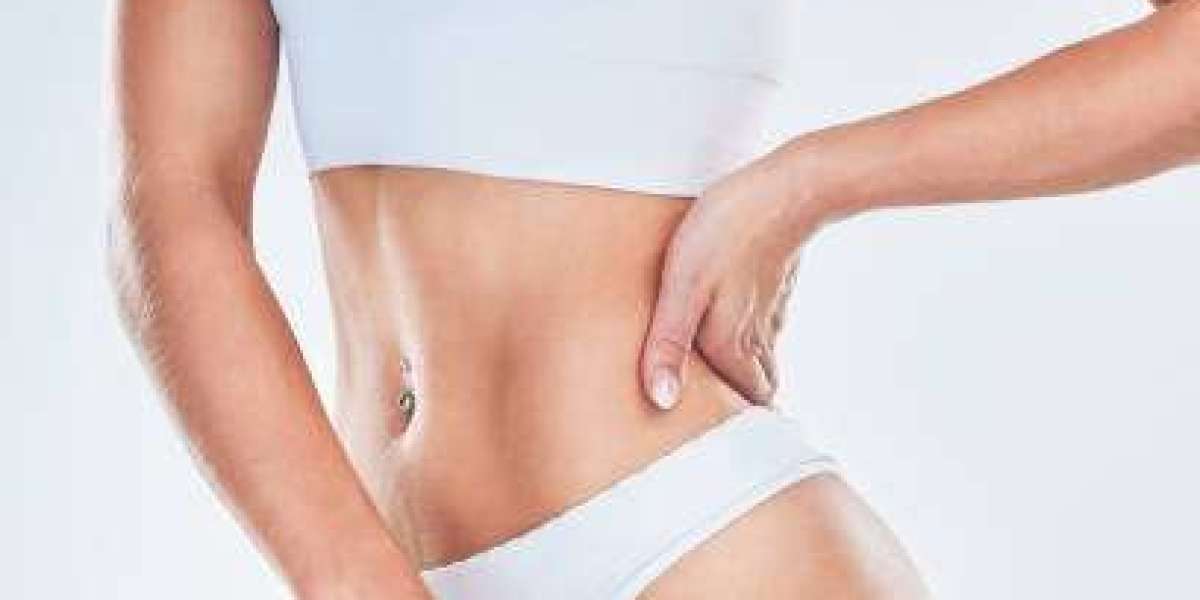

Achieving a balanced body appearance involves more than reducing excess fat. Skin firmness, elasticity, and the way different body areas complement one another can also influence overall contours. Loose skin around the thighs and upper arms may become more noticeable after significant weight loss or as the skin changes with age. J plasma for thighs and arms in Riyadh is a treatment option that may be considered by people seeking to improve the appearance of skin laxity and create smoother-looking body contours.
J-Plasma, also known as Renuvion in certain treatment settings, combines radiofrequency energy with helium plasma to heat tissue beneath the skin. This may help produce tissue contraction and improve skin firmness in selected patients. The results depend on individual anatomy, skin quality, and the extent of laxity. A consultation with a qualified medical professional is essential to understand whether this procedure is appropriate for your goals.
How J Plasma May Support Balanced Body Contours
The thighs and upper arms can contribute significantly to a person's overall body shape. When skin in these areas becomes loose, the contours may appear less defined. J-Plasma may be considered as part of an individualized body-contouring plan to address selected cases of skin laxity.
The treatment delivers controlled energy beneath the skin, affecting the underlying tissue. In some cases, it may be discussed alongside liposuction when excess fat and skin laxity are both concerns. However, J-Plasma is not a weight-loss treatment, and it does not guarantee a particular shape or degree of tightening.
J plasma for thighs and arms in Riyadh may be discussed during a medical assessment to determine whether one or both areas could benefit from treatment. A clinician should consider the patient's health, skin condition, body proportions, and expectations before recommending a procedure.
Why Skin Firmness Can Affect Body Appearance
Skin elasticity naturally changes over time. Collagen and elastin help the skin maintain its structure and flexibility, but aging can gradually affect their function. Significant weight changes may also leave excess skin that does not fully retract. Genetics, sun exposure, and individual differences in skin quality can contribute to the appearance of the thighs and upper arms.
It is important to distinguish between excess fat and loose skin. Fat deposits may create fullness, whereas skin laxity can result in folds or hanging tissue. Exercise can strengthen muscles and support general fitness, but it cannot reliably remove excess skin. A professional assessment helps identify the primary concern and determine which treatment options may be suitable.
Potential Benefits of J Plasma for Thighs and Arms
For selected individuals, J-Plasma may help improve the appearance of mild to moderate skin laxity. Treatment goals may include firmer-looking skin, smoother contours, and a more defined appearance in the treated areas. Treating the thighs and upper arms may be considered when both areas are concerns, but the plan should be tailored to the individual's anatomy and medical needs.
The extent of improvement varies, and results are not guaranteed. People with substantial excess skin may need to consider surgical procedures, such as a thigh lift or arm lift, which remove extra skin. A qualified clinician can explain the differences between energy-based treatments and surgery, including the expected results, recovery requirements, and possible complications.
Who May Be Suitable for J Plasma Treatment?
Suitability depends on overall health, skin elasticity, the amount of loose tissue, and personal goals. People with mild or moderate laxity may be assessed for energy-based skin tightening, while those with significant hanging skin may require a discussion about surgical options.
Before treatment, a qualified medical professional should review medical history, current medications, allergies, previous procedures, and factors that could affect healing. Patients should ask about the clinician's training and experience, the specific technique being proposed, available alternatives, and the risks associated with the procedure. A suitable plan should be based on a clinical assessment rather than assumptions about expected results.
Preparing for J Plasma Treatment
Preparation begins with a detailed consultation. Inform your clinician about medications, supplements, allergies, existing medical conditions, and previous cosmetic procedures. Follow professional instructions regarding medication adjustments, smoking, alcohol, and eating or drinking before treatment. Do not stop prescribed medication unless advised by your treating professional.
It is also helpful to plan for recovery in advance. Depending on the procedure and whether anesthesia or other treatments are involved, you may need someone to accompany you home or help with daily activities initially. Understanding the aftercare instructions before treatment can help you prepare for temporary discomfort and activity restrictions.
Recovery and Aftercare for Better Healing
Recovery varies depending on the treatment area, technique, and whether other procedures are performed at the same time. Temporary swelling, bruising, tenderness, and discomfort may occur. Your clinician may recommend compression garments, wound care, activity restrictions, and follow-up visits.
Follow your individualized aftercare plan and avoid strenuous exercise until your clinician confirms that it is safe to resume. Seek urgent medical attention for chest pain, difficulty breathing, rapidly worsening swelling, fever, severe or increasing pain, or unusual drainage from a treatment site.
J-Plasma and related procedures can carry serious risks, including burns, infection, fluid accumulation, nerve injury, scarring, and complications associated with anesthesia. Discuss the possible risks and benefits carefully before deciding whether to proceed.
Maintaining Realistic Body-Contouring Expectations
A balanced body appearance means different things to different people. J-Plasma may improve skin firmness in selected patients, but it cannot guarantee perfectly smooth skin or symmetrical contours. Results depend on skin quality, individual anatomy, the treatment technique, and healing. Significant excess skin may not respond adequately to a tightening procedure alone.
Maintaining a stable weight and following aftercare guidance can support your overall treatment plan. Follow-up appointments allow your clinician to monitor healing and discuss the outcome. Choosing a treatment based on your specific concerns, rather than pursuing a particular body ideal, can help keep expectations realistic.
Book a Consultation at Royal Clinic Saudi
If you want to improve the appearance of loose skin around your thighs or upper arms, a personalized consultation can help you explore appropriate options. At Royal Clinic Saudi, you can discuss your body-contouring goals and learn about the potential benefits, limitations, risks, and recovery requirements of J-Plasma and alternative procedures. A qualified medical professional can help determine whether treatment is suitable for your individual needs.
FAQs:
1. Can J Plasma treat both thighs and upper arms?
Treatment of both areas may be considered for selected patients. Suitability depends on individual health, skin laxity, and the proposed treatment plan.
2. Does J Plasma help create balanced body contours?
It may improve the appearance of skin firmness in selected areas, but results vary and a balanced appearance cannot be guaranteed.
3. Is J Plasma a weight-loss procedure?
No. J-Plasma is used in certain body-contouring procedures to address tissue and skin laxity. It is not a substitute for weight management.
4. Are there alternatives to J Plasma for loose skin?
Yes. Depending on the degree of skin laxity, options may include other treatments or surgery, such as an arm lift or thigh lift. A qualified clinician can explain the most appropriate choices.