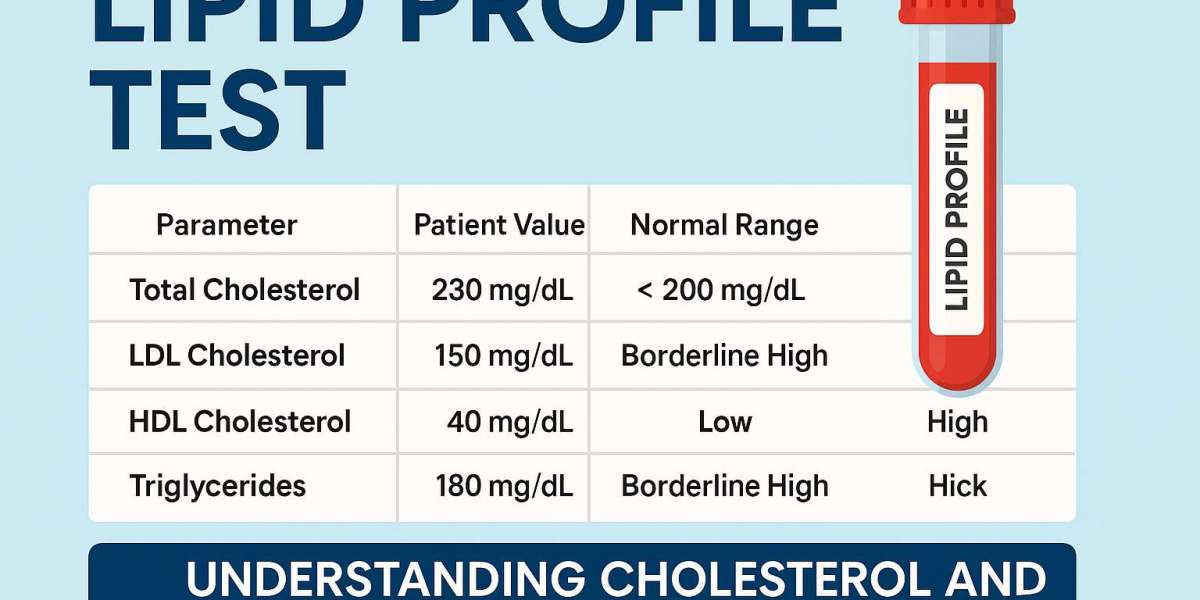

Heart disease often develops gradually, sometimes without obvious warning signs. One important factor behind many cardiovascular conditions is an unhealthy level of cholesterol and other fats in the blood. Because these changes may occur without noticeable symptoms, a lipid profile test plays a valuable role in identifying risk early and helping people protect their long-term heart health.
A Lipid Profile Test in Dubai is a blood test that measures cholesterol and triglycerides to help assess the risk of cardiovascular disease. It can reveal elevated low-density lipoprotein (LDL) cholesterol, low high-density lipoprotein (HDL) cholesterol, and other lipid abnormalities associated with the development of plaque inside arteries.
However, cholesterol results are only one part of the picture. Understanding how blood lipids affect the heart, what the test can reveal, and how to respond to abnormal results can help you make informed decisions about prevention and treatment.
How Cholesterol Levels Influence the Health of Your Heart?
Cholesterol is a waxy substance that the body needs to build cells, produce hormones, and support essential biological functions. The liver makes much of the cholesterol your body requires, while food can also contribute to blood cholesterol levels.
Cholesterol travels through the bloodstream inside particles called lipoproteins. The type and amount of cholesterol carried by these particles matter when assessing cardiovascular risk.
When certain cholesterol-carrying particles remain elevated over time, they can enter artery walls and contribute to the formation of fatty deposits called plaques. This process, known as atherosclerosis, can gradually narrow arteries and restrict blood flow.
If plaque becomes unstable and ruptures, a blood clot may form. Depending on the affected blood vessel, this can lead to a heart attack or an ischemic stroke.
A lipid profile test helps identify some of the blood lipid abnormalities associated with this process. It does not directly show whether plaque is present in the arteries, but it provides useful information for assessing cardiovascular risk.
What a Lipid Profile Test Measures and Why Each Result Matters?
A standard lipid panel usually includes total cholesterol, LDL cholesterol, HDL cholesterol, and triglycerides. Some reports also provide non-HDL cholesterol or calculated values.
| Lipid measurement | What it tells you | Connection to heart health |
|---|---|---|
| Total cholesterol | The combined cholesterol carried by different lipoproteins | Provides an overall measurement but does not show the full risk by itself |
| LDL cholesterol | Cholesterol carried by low-density lipoproteins | Elevated levels contribute to plaque formation in arteries |
| HDL cholesterol | Cholesterol carried by high-density lipoproteins | Helps assess cardiovascular risk, although higher levels do not eliminate risk |
| Triglycerides | A type of fat used by the body for energy | Elevated levels can accompany other metabolic risk factors |
| Non-HDL cholesterol | Total cholesterol minus HDL cholesterol | Captures cholesterol carried by several potentially harmful lipoproteins |
LDL cholesterol is often called bad cholesterol because persistently elevated levels can contribute to atherosclerosis. HDL cholesterol is commonly known as good cholesterol, but its value should not be interpreted in isolation.
High triglycerides may occur alongside obesity, diabetes, insulin resistance, or excessive alcohol consumption. When triglycerides and other lipid measurements are abnormal together, healthcare professionals may investigate broader metabolic health.
The Connection Between a Lipid Profile and Different Types of Heart Disease:
Abnormal cholesterol levels do not guarantee that someone will develop heart disease. Nevertheless, they are an important modifiable risk factor for several cardiovascular conditions.
Coronary Artery Disease
Coronary artery disease develops when the blood vessels supplying the heart become narrowed or blocked, commonly because of atherosclerotic plaque.
Elevated LDL cholesterol contributes to plaque development over time. As blood flow becomes restricted, a person may experience chest discomfort, particularly during physical activity. In some cases, a sudden blockage causes a heart attack.
A lipid profile helps clinicians identify elevated cholesterol that may increase the risk of coronary artery disease.
Heart Attack
A heart attack usually occurs when blood flow to part of the heart muscle is severely reduced or blocked. Plaque buildup in a coronary artery can contribute to this event, particularly when a plaque ruptures and a clot forms.
High LDL cholesterol can increase the long-term likelihood of developing this type of arterial disease. However, a lipid profile cannot diagnose an active heart attack.
Sudden chest pressure, shortness of breath, cold sweating, or pain spreading to the arm, back, neck, or jaw requires immediate emergency medical assessment.
Stroke and Other Vascular Problems
Atherosclerosis can also affect arteries supplying the brain and other parts of the body. When blood flow to the brain is interrupted by a blockage, an ischemic stroke may occur.
Cholesterol is only one part of stroke risk. High blood pressure, smoking, diabetes, heart rhythm disorders, and other conditions can also play significant roles.
A lipid profile contributes to risk assessment, allowing healthcare professionals to consider cholesterol management as part of a broader prevention strategy.
Which Cholesterol Results May Indicate Increased Cardiovascular Risk?
Lipid profile results are generally measured in milligrams per deciliter (mg/dL) or millimoles per liter (mmol/L), depending on the country and laboratory.
The following adult reference points are commonly used as general guides:
| Measurement | General reference point |
|---|---|
| Total cholesterol | Below 200 mg/dL is generally desirable |
| LDL cholesterol | Below 100 mg/dL is often optimal for many adults |
| HDL cholesterol | Below 40 mg/dL in men or 50 mg/dL in women may indicate increased risk |
| Triglycerides | Below 150 mg/dL is generally considered normal |
| Non-HDL cholesterol | Below 130 mg/dL is a commonly used general target |
These values are not universal treatment goals. For people with established cardiovascular disease, diabetes, or other high-risk conditions, healthcare professionals may recommend lower LDL cholesterol targets.
A result within the usual reference range does not automatically mean that your heart disease risk is low. Conversely, one elevated result does not establish that you have cardiovascular disease.
Your clinician should interpret the complete lipid panel alongside age, blood pressure, smoking status, family history, diabetes, and previous cardiovascular conditions.
Who Should Consider a Lipid Profile Test?
Cholesterol screening can benefit adults even when they feel healthy because high cholesterol typically causes no symptoms.
Testing may be particularly important for people who have one or more of the following risk factors:
A family history of high cholesterol or premature heart disease.
High blood pressure.
Diabetes or insulin resistance.
Overweight or obesity.
Tobacco use.
Chronic kidney disease.
Previous abnormal cholesterol results.
A history of heart attack, stroke, or other cardiovascular disease.
The appropriate age to begin screening and the frequency of repeat testing vary by guideline and individual risk. Many adults are screened during early adulthood and continue testing periodically throughout life.
People already receiving cholesterol-lowering treatment may need more frequent lipid panels to assess whether their treatment is working as intended.
How Doctors Use Lipid Profile Results to Estimate Heart Disease Risk?
A lipid profile is most useful when it forms part of a comprehensive cardiovascular assessment.
Healthcare professionals may combine cholesterol measurements with age, blood pressure, diabetes status, smoking history, and other clinical information to estimate the likelihood of a future cardiovascular event. Depending on the person and the guideline used, this may involve a validated cardiovascular risk calculator.
The assessment helps answer practical questions:
Is lifestyle modification likely to be an appropriate first step?
Would cholesterol-lowering medication provide meaningful benefit?
Is additional testing needed because of a strong family history or unusually high LDL cholesterol?
How frequently should cholesterol levels be monitored?
In selected cases, clinicians may consider additional tests, such as lipoprotein(a), particularly when there is a family history of premature cardiovascular disease or uncertainty about risk. Coronary artery calcium scoring may also help guide decisions for certain adults when the need for preventive medication is unclear.
These additional tests are not necessary for everyone. Their usefulness depends on individual circumstances.
Practical Ways to Improve Cholesterol and Protect Heart Health:
An abnormal lipid profile provides an opportunity to address modifiable risk factors before complications develop.
Build a Heart-Healthy Eating Pattern
Choose more vegetables, fruits, whole grains, beans, lentils, nuts, seeds, and unsaturated fats. Replacing foods high in saturated fat with healthier unsaturated fat sources can help lower LDL cholesterol.
Limit trans fats where present, highly processed foods, and excessive intake of added sugars. If triglycerides are elevated, reducing excess refined carbohydrates and limiting alcohol when appropriate may also help.
Stay Physically Active
Regular physical activity supports cardiovascular fitness, can improve triglyceride levels, and may help maintain a healthy weight. Many adults can aim for at least 150 minutes of moderate-intensity aerobic activity each week, adjusted for their health and abilities.
Avoid Tobacco and Manage Other Risk Factors
Smoking damages blood vessels and increases cardiovascular risk. Stopping smoking, managing blood pressure, and controlling diabetes can improve overall heart health even when cholesterol levels are already satisfactory.
Discuss Medication When Needed
Lifestyle changes are important, but they are not always sufficient. Statins and other lipid-lowering medications may be recommended when LDL cholesterol is markedly elevated or the person's overall cardiovascular risk justifies treatment.
The decision depends on the expected benefits, possible side effects, other medical conditions, and individual preferences. Medication should be taken according to professional guidance rather than adjusted independently.
Frequently Asked Questions About Lipid Profile Testing and Heart Disease:
Can a normal lipid profile guarantee that I will not develop heart disease?
No. A normal lipid profile is reassuring in some respects, but it cannot rule out cardiovascular disease or eliminate future risk. Blood pressure, smoking, diabetes, genetics, and other factors also influence heart health.
Does a lipid profile test detect blocked arteries?
No. It measures blood lipids rather than directly examining the arteries. Additional assessment may be necessary if symptoms or other findings suggest coronary artery disease.
How often should cholesterol levels be checked?
The interval depends on age, previous results, cardiovascular risk, and treatment. Many low-risk adults are screened every few years, while people with abnormal results or those taking cholesterol-lowering medication may need more frequent testing.
Is fasting required before a lipid profile test?
Not always. Nonfasting lipid testing is acceptable for many routine assessments. Your healthcare professional may request fasting testing in specific circumstances, particularly when triglycerides are significantly elevated.
Conclusion: Turn Cholesterol Information Into Heart Disease Prevention
A lipid profile Lab tests provides valuable information about cholesterol and triglycerides, helping healthcare professionals identify risk factors associated with coronary artery disease, heart attack, and stroke. Although it cannot diagnose blocked arteries or predict every cardiovascular event, it supports earlier risk assessment and more informed prevention decisions.
The most effective approach is to understand your results in the context of your overall health. Combine appropriate cholesterol screening with a balanced diet, regular physical activity, tobacco avoidance, and medical care when needed.
Medical disclaimer: This article is for educational purposes only and does not replace professional medical advice, diagnosis, or treatment. Consult a qualified healthcare professional to interpret your lipid profile and determine the most appropriate heart disease prevention plan for your individual circumstances.