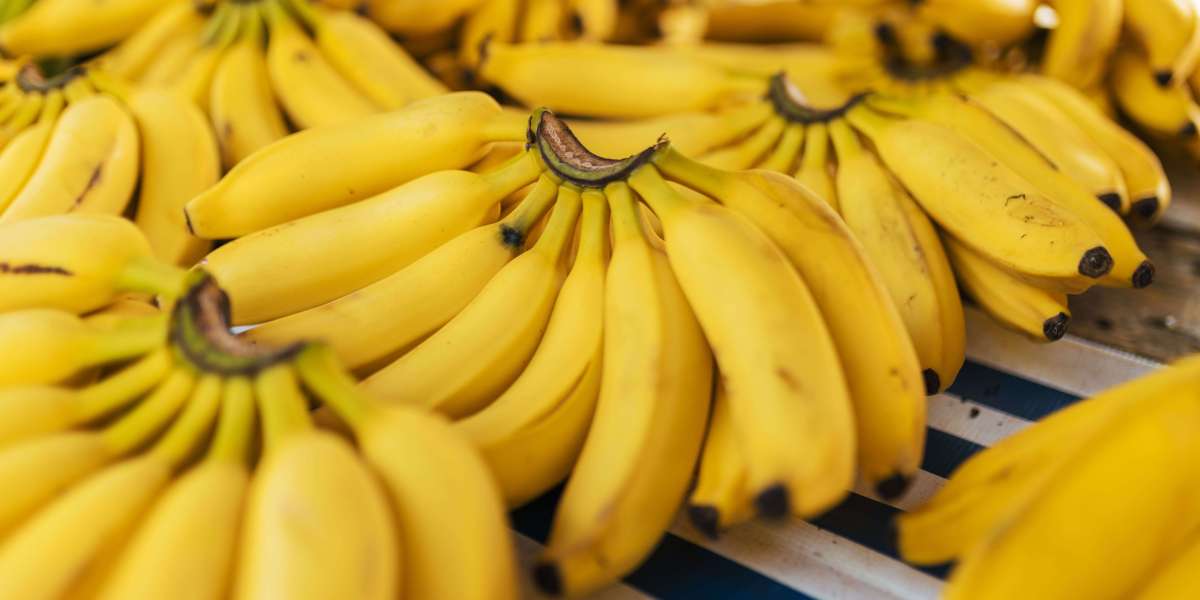

The organic banana market offers a useful example of how agricultural businesses can respond to changing consumer preferences while exploring more environmentally conscious production methods. Bananas are an important everyday fruit because they are easy to prepare, convenient to transport, and suitable for use in meals, snacks, desserts, and beverages. As shoppers show interest in organic produce, farmers and retailers have opportunities to provide bananas that meet recognized organic production requirements.
Developing a successful organic banana business involves more than identifying customer demand. Producers must evaluate growing conditions, understand certification requirements, manage agricultural risks, and establish reliable distribution arrangements. Retailers must also consider freshness, product availability, packaging, and customer education when introducing organic bananas to their product ranges.
The expansion of organic agricultural supply chains demonstrates why coordination between farms, packers, distributors, and retailers matters. Organic production and handling requirements can create additional documentation and operational responsibilities. Businesses that understand these requirements can develop processes that support product integrity and consistent quality.
Opportunities for Farmers and Agricultural Businesses
Farmers considering organic banana production need to assess the suitability of their land, local climate, soil characteristics, water availability, and access to agricultural services. Banana production requires appropriate growing conditions, and organic management must address the needs of the crop without compromising applicable certification requirements.
Transitioning an existing farm to organic production may involve changes to input management, pest control, recordkeeping, and soil improvement practices. Producers should understand the applicable transition rules before marketing their harvest as certified organic.
Market access is another important consideration. Farmers may supply local markets, grocery retailers, specialist organic stores, or larger distribution networks. Each channel can have different expectations concerning fruit size, appearance, packaging, delivery schedules, and documentation.
A clear business plan helps farmers understand their operational responsibilities and identify suitable buyers. Establishing customer relationships before expanding production can also help reduce uncertainty.
Sustainable Resource Management
Responsible resource management is an important consideration in organic banana farming. Soil quality, water availability, biodiversity, and crop health can influence long-term agricultural performance. Organic producers must select management practices suited to their local environment and permitted under the standards governing their farms.
Maintaining soil organic matter can support soil structure and moisture retention. Compost, permitted soil amendments, and appropriate ground cover may form part of a broader soil management strategy. Farmers should select these practices based on their actual soil conditions and crop requirements.
Water management requires similar attention. Suitable irrigation scheduling, drainage, and moisture monitoring can help farmers respond to changing weather and growing conditions. Poor drainage may create problems for plant roots, while inadequate water availability can affect crop development.
Pest and disease management is also essential. Regular monitoring and preventive measures can help identify potential threats. Farmers may need to combine several permitted approaches rather than rely on a single treatment.
These practices require careful evaluation. Sustainable agriculture does not mean that every organic farm will achieve identical outcomes, because results depend on climate, soil, farm design, and management decisions.
Certification and Traceability
Organic certification is an important part of building a credible organic banana business. Requirements differ by market and certification system, so producers must understand the rules that apply to their intended customers.
Certification processes may involve reviewing farm practices, maintaining records, documenting inputs, and demonstrating compliance with production and handling requirements. These responsibilities help establish whether products can be marketed as organic under the relevant framework.
Traceability is equally important throughout the supply chain. Businesses should maintain appropriate records connecting production, packing, storage, and distribution activities. Clear documentation helps support product identification and facilitates the management of potential quality or compliance concerns.
Retailers can reinforce consumer confidence by using accurate labels and avoiding misleading statements. Information about organic certification should be clear and consistent with the product being sold.
Distribution and Market Access
Bananas require careful handling because they can be damaged during harvesting, packing, loading, and transportation. Organic suppliers must coordinate these activities to preserve quality and meet buyer requirements.
Storage and ripening management are especially important. Appropriate temperature conditions and planned delivery schedules can help ensure that bananas reach stores at suitable stages of ripeness. Poor coordination can result in fruit arriving too early, becoming overripe, or experiencing avoidable damage.
Packaging can provide protection during transit and support product identification. However, businesses should consider packaging requirements, waste management, cost, and the expectations of their customers when selecting materials.
Digital ordering systems and improved inventory planning may help some businesses coordinate supply with customer demand. These tools can support communication among producers, distributors, and retailers while improving visibility across the supply chain.
Long-Term Prospects
The organic banana market offers opportunities for businesses that can combine suitable farming practices with effective operations and reliable market access. However, growth depends on more than consumer interest. Producers must manage agricultural risks, certification obligations, costs, and quality requirements.
Collaboration across the supply chain can help address these challenges. Farmers benefit from dependable buyers, while retailers benefit from suppliers who deliver consistent products and maintain appropriate documentation.
As interest in organic produce evolves, businesses that focus on transparency, responsible resource management, and careful product handling may be better positioned to serve consumers. The continued development of the organic banana market will depend on balancing agricultural practicality with customer expectations and credible organic production.
FAQs
Q1. What business opportunities exist in the organic banana market?
Opportunities include organic farming, fruit distribution, specialty retailing, grocery supply, and providing bananas to food service businesses.
Q2. Why is certification important for organic bananas?
Certification helps demonstrate that production and handling comply with the applicable organic standards and supports accurate product labeling.