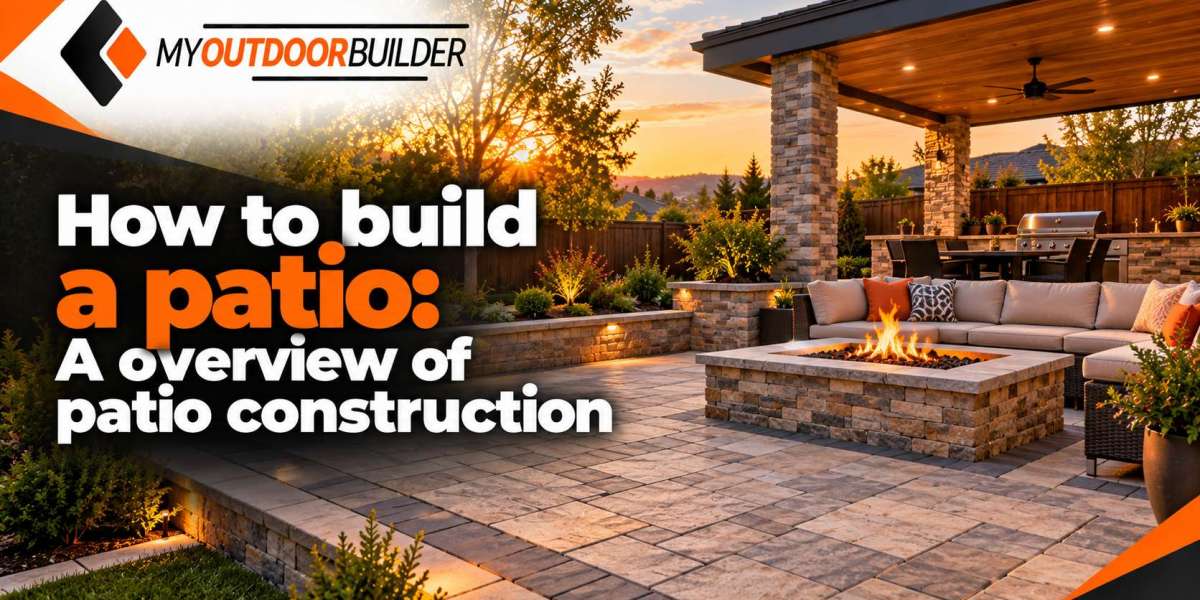

A patio should provide a comfortable place to relax, entertain guests, or enjoy time outdoors without creating drainage problems or requiring constant repairs. The choices you make before construction especially the location, foundation, materials, and surface slope can affect how well the finished area performs.
Patio construction involves more than laying pavers or pouring a slab. It starts with assessing the property, preparing the ground, and choosing materials that suit the intended use. For homeowners considering patio pavers in Los Angeles, understanding the construction process makes it easier to compare options, plan a realistic budget, and know when professional help is worthwhile.
What Should You Consider Before Patio Construction?
Good planning helps prevent expensive changes once the work begins. Before starting, consider how the patio will connect to your home, how much space you need, and what the surface must accommodate.
Choose the Right Location and Size
Think about how you intend to use the patio. A dining area needs enough room for a table and chairs, while a lounge area may need space for outdoor seating, pathways, and lighting.
Consider sunlight, shade, privacy, access to the house, and nearby trees. In Southern California, afternoon sun can make exposed patios uncomfortable, so shade structures or carefully positioned planting may be worth planning from the beginning.
Select Suitable Patio Materials
The right material depends on appearance, maintenance, drainage, and your budget.
Concrete pavers: Available in different colors, sizes, and patterns. Individual units can usually be replaced if damaged.
Poured concrete: Creates a continuous surface and can suit simple or contemporary designs, but cracking may occur.
Natural stone: Offers varied textures and colors, although material characteristics and maintenance needs differ.
Porcelain pavers: Provide a manufactured finish, but the selected product and installation system must be suitable for outdoor use.
When comparing backyard patio construction options, consider how each material handles heat, moisture, foot traffic, and regular cleaning.
The Main Steps in Patio Construction
A durable patio requires proper ground preparation and installation. The exact method varies depending on the chosen material, soil conditions, and site design.
Step 1: Prepare the Site
Mark the patio boundaries and identify underground utilities before excavation. Remove grass, roots, debris, and unsuitable soil as needed.
Check existing elevations around doors, foundations, walkways, and landscaping. The planned patio height must allow safe transitions and direct water away from the house.
Step 2: Build a Stable Foundation
For a paver patio, the installation commonly includes a compacted aggregate base and a carefully prepared bedding layer. Base depth depends on soil conditions, expected loads, and the selected paving system.
For poured concrete, the required subgrade preparation, slab thickness, reinforcement, and joint layout depend on the project's design and conditions.
Skipping proper preparation can lead to settling, uneven pavers, or cracking. Foundation work is one of the most important parts of patio construction services, even though much of it becomes hidden after installation.
Step 3: Install the Patio Surface
Pavers are laid according to the selected pattern, with appropriate spacing and edge restraints. Concrete is placed, finished, and provided with suitable joints and curing conditions.
The surface should be checked during installation to maintain consistent elevations and a suitable slope. Drainage needs particular attention on properties where the patio sits close to the home or connects to existing hard surfaces.
Step 4: Finish the Edges and Inspect the Work
Finish borders, joints, and transitions to adjoining surfaces. For pavers, fill the joints with the specified material; for concrete, follow the planned jointing and curing requirements.
Before using the patio, inspect the surface for uneven areas, incomplete joints, drainage issues, and potential trip hazards.
Local Considerations for Los Angeles Patio Projects
Los Angeles patio construction requires attention to the property's individual conditions rather than relying on one standard design. Some sites have compacted soil, while others may have slopes, expansive soils, or limited space for water runoff.
Southern California's sun exposure can also influence material selection and comfort. Lighter-colored surfaces may absorb less heat than some darker alternatives, although actual surface temperatures depend on the material, finish, and conditions.
Before construction, check applicable local permitting requirements, especially if the project includes retaining walls, roofed structures, significant grading, or drainage changes. Requirements vary by location and project scope.
For a property with difficult grading or drainage, a professional assessment before work begins can help determine the appropriate construction approach.
Common Patio Construction Mistakes to Avoid
Several avoidable mistakes can shorten the life of a patio:
Choosing materials based only on appearance.
Building over loose or inadequately prepared soil.
Directing water toward the house or neighboring property.
Ignoring transitions between the patio and existing surfaces.
Failing to plan for furniture, pathways, shade, and lighting.
Rushing installation or ignoring material-specific curing instructions.
Thoughtful outdoor patio construction accounts for everyday use as well as the finished appearance. Reviewing these details before work begins can help reduce the likelihood of repairs later.
Should You Hire Patio Construction Professionals?
A simple, small patio may be manageable as a DIY project if you have the necessary tools and preparation skills. Larger installations, sloped yards, complex drainage, and patios adjoining foundations often require more careful planning.
Experienced patio construction services can help homeowners compare materials, establish appropriate elevations, prepare the foundation, and coordinate the installation. When evaluating backyard patio construction proposals, ask what site preparation is included, how drainage will be managed, and which materials and installation methods are specified.
Conclusion
A well-planned patio begins with the way the site is prepared, not just the material chosen for its surface. Careful planning, suitable materials, and proper drainage can help create an outdoor area that fits your home and everyday needs.
If you are considering patio construction for your Los Angeles property, We can help you explore paving options and project requirements. Visit My Outdoor Builder to learn more about our patio construction services and discuss the possibilities for your outdoor space.
Frequently Asked Questions
1. What is the first step in patio construction?
Start by choosing the location, measuring the space, checking ground conditions, and planning drainage. These decisions guide material selection and foundation preparation.
2. What is the best material for a backyard patio?
Concrete pavers, poured concrete, natural stone, and porcelain pavers can all be suitable. The best choice depends on your design preferences, intended use, maintenance expectations, and site conditions.
3. Does a patio need a gravel base?
Many paver patios use a compacted aggregate base for stability. The base requirements for concrete or other paving systems differ, so follow the specifications for the selected installation method.
4. How long does patio construction take?
The timeline depends on patio size, excavation, access, weather, material choice, and site preparation. Complex grading or drainage work can extend the schedule.
5. Does patio construction require a permit in Los Angeles?
Some projects may require permits or additional approvals, depending on their scope, location, grading, structures, and drainage impacts. Check with the relevant local building department before starting.
6. How can I prevent water from pooling on my patio?
Plan the finished elevations and slope before installation, prepare the foundation correctly, and provide an appropriate drainage route. The solution depends on the property's layout and local requirements.