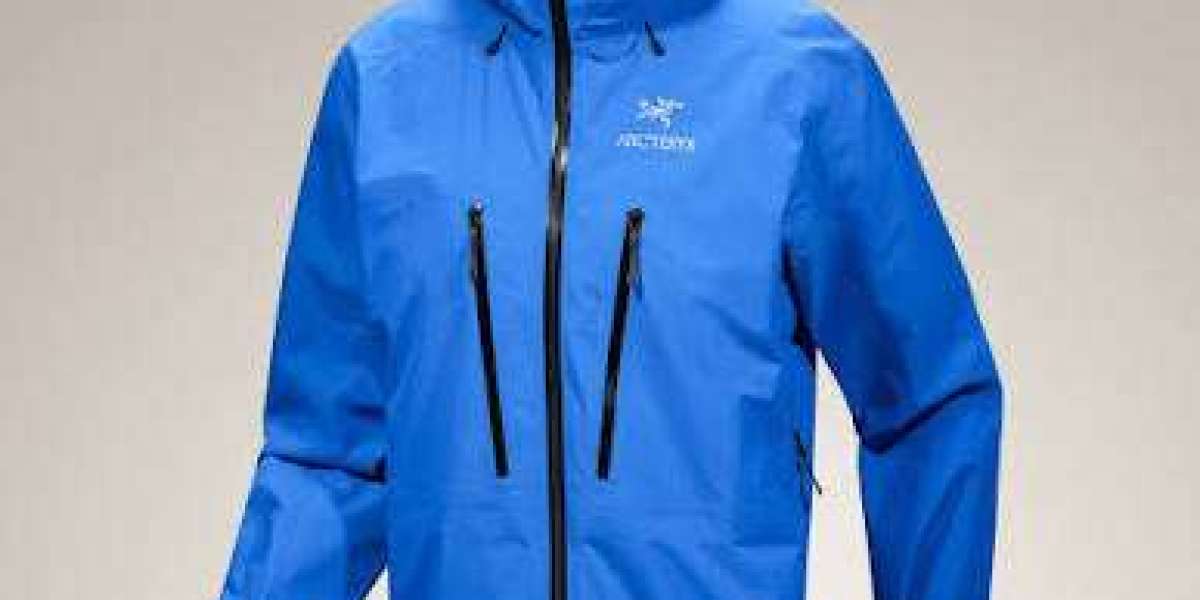

Rain jackets tend to disappoint in one of two ways. Some leak after a season, and others feel like wearing a plastic bag. The Arc’teryx Beta jacket was built to avoid both problems, and after looking closely at how it is made and how people use it, I can see why it keeps showing up on trails, ferries, and city sidewalks. This Arc’teryx Beta Jacket review covers the features, the fit, and the situations where it earns its price.
Key Features of the Arc’teryx Beta Jacket
Waterproof and Breathable Fabric
The core of the jacket is a three layer Gore Tex construction. Rain beads up and rolls off, and the membrane lets moisture vapor escape from the inside. In practice, this means you stay dry from the weather and reasonably dry from your own sweat, as long as you are not working at maximum effort for hours the Arcteryx face fabric has a soft, quiet feel. It does not crinkle loudly the way older stiff shells did, which makes a real difference on a long walk when you can hear your own jacket with every arm swing.
Hood and Collar Design
The hood is one of the strongest parts of the design. It adjusts to sit close around the head and moves with you when you turn, so your view is not blocked by fabric. The brim keeps rain off your face, and the collar rises high enough to cover your chin when the wind picks up.
Pockets and Zippers
The hand pockets sit high enough to stay usable when you wear a backpack hip belt or a climbing harness. The zippers are water resistant and run smoothly. A chest pocket gives you a spot for a phone or a small item you want to reach without opening your pack.
Adjustability
Hem and hood adjusters let you seal out drafts without much fuss. Cuffs close with hook and loop tabs that fit over a thin glove or sit snug on a bare wrist. These small details matter during a storm, when you have little patience for fiddly gear.
Fit and Sizing
The Beta has a trim, athletic cut, though it is not tight. It leaves enough room for a fleece or light insulated layer underneath, while the arms and torso stay close enough to avoid flapping in the wind. The sleeves are long, which suits people who reach overhead on climbs or scrambles, and the hem drops low enough at the back to cover your hips when you bend forward.
If you are between sizes or plan to layer heavily in winter, going up one size is a reasonable choice. If you mostly wear it over a t shirt, your regular size should feel right. Trying it on with the layers you actually plan to use is the most reliable way to judge the fit.
Best Uses for the Beta Jacket
Hiking and Backpacking
For three season hiking, the Beta is a dependable layer to keep at the top of your pack. It blocks wind on exposed ridges and holds up through long, soaking days. The fabric resists abrasion from pack straps better than many lighter shells.
Travel and Commuting
Many owners buy the Beta for everyday use rather than technical trips. Its clean lines look fine on a city street, and it packs down enough to fit in a carry on bag. If you walk to work in a wet climate, it handles the commute without fuss.
Skiing and Snow Days
On the slopes, the Beta works as an outer shell over warm layers. It lacks the extra features of a dedicated ski jacket, such as a powder skirt, but it does the job for resort days and backcountry tours when you control warmth with what you wear underneath.
Light Mountaineering and Scrambling
The hood fits over a helmet in most versions, and the fabric tolerates contact with rock better than thin ultralight options. Serious alpine climbers may want something heavier, but for easy to moderate objectives the Beta holds its own.
Durability and Care
A good shell only stays good with proper care. Dirt and body oils clog the fabric over time and reduce breathability, so washing the jacket with a gentle technical cleaner every so often keeps it working. Tumble drying on low heat can also help restore the water repellent finish on the outer surface. When water stops beading on the fabric, a fresh treatment brings that behavior back.
With sensible care, the Beta can last for many seasons. The construction is solid, and the stitching and seam tape tend to stay in place long after cheaper jackets start peeling.
Pros and Cons
Pros
- Reliable waterproof protection in sustained rain
- Comfortable, well designed hood
- Quiet fabric with a soft feel
- Versatile enough for hiking, travel, and daily wear
- Strong build quality
Cons
- The price is high compared with basic rain shells
- Less breathable than a lightweight jacket during hard uphill effort
- Not warm on its own, so it needs layers in cold weather
Is the Arc’teryx Beta Jacket Worth It?
That depends on how often you use it. If you only need a jacket for a few rainy days each year, the cost is hard to justify. If you are outdoors most weekends, travel often, or live somewhere that rains for months at a time, the Beta pays off through comfort and long service life. Spreading the cost over many seasons makes it easier to accept.
My honest view is that the Beta is a dependable, well made shell for people who want a single jacket that handles many situations. It is not the lightest option and not the cheapest, but it rarely lets you down when the weather turns.
Frequently Asked Questions
Is the Arc’teryx Beta jacket fully waterproof?
Yes. It uses a three layer Gore Tex membrane with taped seams, so it keeps out rain very effectively during steady downpours.
Does the Beta jacket run true to size?
It fits close to size with a trim, athletic cut. Size up if you want to wear thick layers underneath.
Can I wear the Beta jacket in winter?
Yes, as an outer shell over fleece or insulation. The jacket itself has no insulation, so warmth comes from your layers.