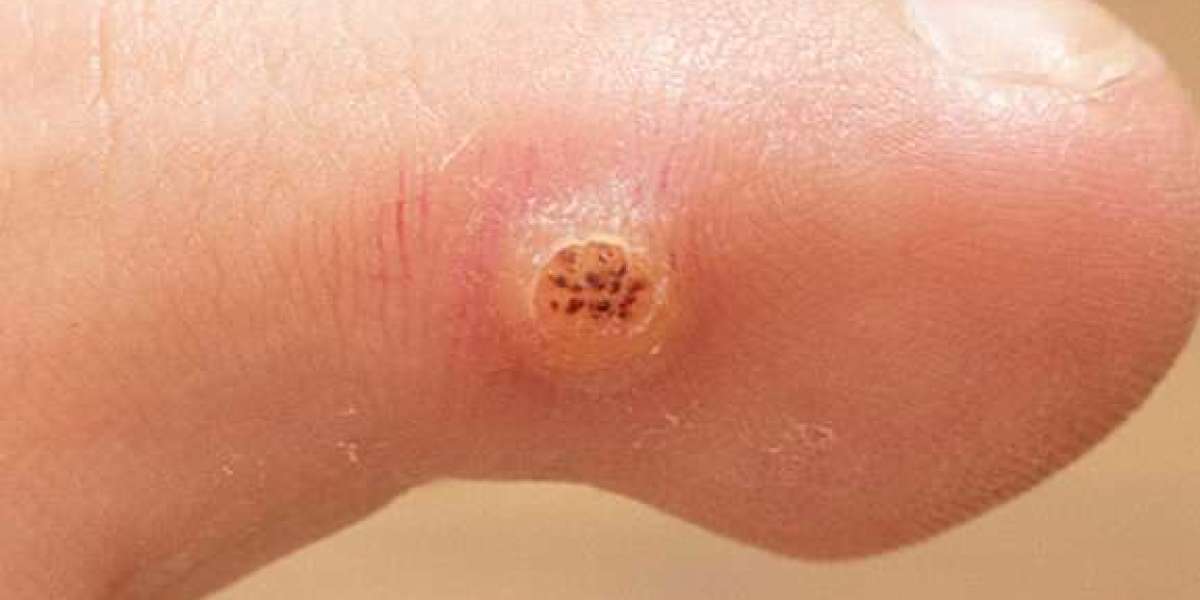

Warts are common skin growths that can appear on the hands, feet, face, and other parts of the body. Although they are generally harmless, they may cause discomfort, affect skin appearance, or become irritating when exposed to repeated friction. Modern treatment options provide several ways to address these growths and help patients achieve smoother-looking skin.
Warts are usually caused by certain types of human papillomavirus (HPV), which affects the outer layer of the skin. Some disappear naturally, while others persist or spread to nearby areas. Choosing an appropriate treatment depends on the wart's type, size, location, and the patient's skin condition.
For people considering Warts removal in Islamabad, understanding modern treatment methods and the importance of professional assessment can help them make informed decisions about their skin health.
Understanding Common Skin Warts
Warts develop when certain types of HPV enter the skin, often through small cuts or damaged areas. The virus causes skin cells to grow more rapidly, creating a raised or rough growth.
Different types of warts can appear in different areas. Common warts usually develop on the hands and fingers, while plantar warts appear on the soles of the feet and may cause discomfort during walking. Flat warts are generally smaller and smoother, and filiform warts may develop around the nose, mouth, or eyes.
Not every raised skin growth is a wart. Moles, calluses, and other skin conditions can look similar, so a professional assessment is important before beginning treatment.
Modern Treatment Options for Warts Removal
Advances in dermatological care have made several treatment approaches available. The best option depends on the diagnosis, location of the wart, medical history, and previous treatment results.
Cryotherapy
Cryotherapy is a common treatment that uses a freezing agent, usually liquid nitrogen, to destroy wart tissue. The treated area may develop a blister before the damaged tissue gradually heals.
Some warts respond after one session, while others need repeated treatments. Temporary pain, swelling, blistering, and changes in skin colour are possible side effects.
Topical Treatments
Topical products containing salicylic acid can gradually remove layers of wart tissue. They are often used for certain common warts, particularly those on the hands and feet.
These products should be applied according to professional advice and the product instructions to avoid damaging surrounding healthy skin. People with diabetes, poor circulation, or reduced sensation should seek medical advice before treating foot warts.
Electrosurgery and Curettage
For selected cases, a healthcare professional may use electrical energy to destroy wart tissue and a specialized instrument to remove it. Local anesthesia may be required.
This approach may be considered for certain persistent growths, but it carries potential risks, including infection, scarring, and recurrence.
Laser Treatment
Laser treatment uses concentrated light energy to target tissue and may be considered for some difficult-to-treat warts. It is not necessary for every patient, and its suitability depends on the individual case.
A qualified clinician can explain whether laser treatment is appropriate and discuss its expected results, cost, recovery requirements, and possible side effects.
Benefits of Seeking Professional Wart Treatment
Professional treatment offers more than the removal of a visible skin growth. It begins with an assessment that helps determine the safest and most suitable approach.
One potential benefit is improved skin appearance after the treated area heals. Treatment may also reduce discomfort when warts rub against clothing, footwear, or everyday objects.
Professional guidance is especially valuable for warts that persist, spread, or return after previous treatment. It can help patients understand their options and avoid unsafe home remedies.
People considering Warts removal in Islamabad should choose a qualified dermatologist or healthcare provider who explains the procedure, expected healing time, and possible complications before treatment begins.
What to Expect During a Consultation
A consultation usually involves examining the growth and asking questions about when it appeared, whether it has changed, and whether it causes pain or irritation.
The clinician may also review previous treatments, allergies, medications, and relevant medical conditions. If the growth does not have the typical appearance of a wart, additional examination or a biopsy may be recommended.
The treatment plan should explain the proposed method, whether multiple sessions may be needed, and how the area should be cared for afterward.
Seek prompt medical assessment for a growth that bleeds without a clear reason, changes rapidly, becomes unusually painful, or has an uncertain diagnosis.
Recovery and Essential Aftercare
Aftercare helps protect the treated area while the skin heals. Specific instructions depend on the procedure, so always follow the recommendations provided by your healthcare professional.
Keep the treated area clean and follow dressing instructions.
Avoid picking blisters, scabs, or healing skin.
Use recommended ointments as directed.
Minimize friction and irritation around the treated area.
Protect exposed healing skin from excessive sun exposure when advised.
Contact your clinician if you develop increasing pain, spreading redness, pus, or fever.
Healing times vary. Some treatments cause temporary blistering or tenderness, while procedures that remove tissue may require more time for recovery.
How to Reduce the Risk of Warts Spreading
Certain hygiene habits can help reduce the spread of HPV-related warts. Avoid touching, scratching, or biting existing warts, and wash your hands after handling the affected area.
Do not share towels, razors, nail clippers, or other personal items that come into contact with affected skin. For plantar warts, wear footwear in communal showers and changing rooms.
Wart removal does not always eliminate the virus from surrounding skin, so new warts can appear even after successful treatment. Follow-up care may be useful if a wart returns.
Conclusion
Modern wart treatments offer several options for managing unwanted skin growths and improving skin appearance. From cryotherapy and topical products to selected surgical and laser procedures, the appropriate method depends on the wart and the individual's needs.
If you are exploring Warts removal in Islamabad, consult a qualified skin specialist for an accurate diagnosis and personalized treatment plan. Professional guidance, realistic expectations, and proper aftercare can help support safe healing and healthier-looking skin.
Frequently Asked Questions (FAQs)
1. What is the most effective method for wart removal?
The most suitable method depends on the wart's type, size, location, and response to previous treatments. A dermatologist can recommend an appropriate option after examining the growth.
2. Can modern wart treatments leave scars?
Some procedures can cause scarring or changes in skin pigmentation. The risk varies by treatment method, the depth of the wart, and individual healing.
3. How can I prevent warts from spreading after treatment?
Avoid picking at the affected area, wash your hands after touching it, and avoid sharing personal items such as towels and nail clippers. Follow your clinician's aftercare advice.
4. Where can I find professional Warts removal in Islamabad?
You can consult a qualified dermatologist or reputable skin clinic providing Warts removal in Islamabad. Ask about treatment options, qualifications, potential side effects, and recovery expectations before proceeding.
For more information visit
Enfield royal clinic in islamabad