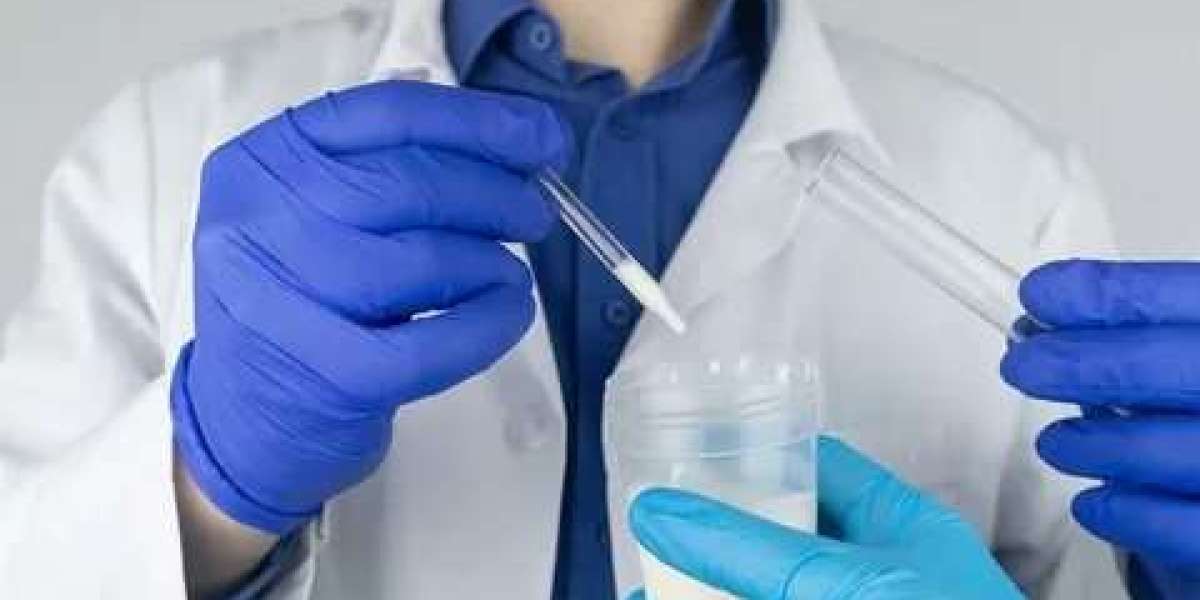

Male fertility depends on several biological processes working together, including healthy sperm production, balanced reproductive hormones, and the proper functioning of the reproductive system. When a couple experiences difficulty conceiving, a Male Fertility Test in Dubai can help identify potential problems and guide the next steps toward pregnancy.
Two important parts of a male fertility evaluation are sperm analysis and hormone testing. Sperm analysis examines the number, movement, and shape of sperm in a semen sample, while hormone testing measures substances in the blood that regulate reproductive function. Although these tests provide different types of information, they can work together to help healthcare professionals understand possible causes of male infertility.
Knowing what each test measures, how to prepare for testing, and how to interpret the results can make the fertility evaluation process less confusing. This guide explains the differences between hormone testing and semen analysis, what abnormal results may mean, and when further investigation may be necessary.
Male Fertility Testing at a Glance: Two Tests, Different Answers
Sperm analysis and hormone testing serve complementary purposes. One examines sperm directly, while the other investigates the hormonal signals that help regulate sperm production.
| Feature | Sperm analysis | Hormone testing |
|---|---|---|
| Sample required | Semen | Blood |
| Main purpose | Assess sperm and semen characteristics | Evaluate reproductive hormone levels |
| Common measurements | Sperm count, motility, morphology, semen volume | Testosterone, FSH, LH, and sometimes prolactin or other hormones |
| What abnormal results may suggest | Problems involving sperm production, function, or transport | Hormonal disorders or problems affecting testicular function |
| Is it needed for everyone? | Commonly the first laboratory test | Usually recommended when clinically indicated |
Neither test can diagnose every cause of male infertility on its own. A healthcare professional interprets the findings alongside symptoms, medical history, physical examination, and the fertility health of both partners.
What Does a Sperm Analysis Reveal?
A semen analysis is usually the first laboratory investigation performed when male infertility is suspected. It evaluates semen, the fluid released during ejaculation, and the sperm contained within it.
The test helps determine whether sperm characteristics fall within established laboratory reference ranges. These measurements can provide useful clues about reproductive potential, although they cannot guarantee whether conception will occur.
1. Sperm Count and Concentration
Sperm concentration measures how many sperm are present in one milliliter of semen, while total sperm number refers to the number of sperm in the entire ejaculate.
A lower-than-expected concentration is called oligozoospermia. It can be associated with impaired sperm production, hormonal disturbances, certain medications, genetic conditions, or testicular problems.
A very low sperm count does not automatically mean natural conception is impossible. However, it may reduce the likelihood of pregnancy and justify further investigation.
If no sperm are detected in the ejaculate, the condition is called azoospermia. The finding usually needs confirmation and further assessment to determine whether sperm production is impaired or a blockage is preventing sperm from entering the semen.
2. Sperm Motility: How Well Do Sperm Move?
Sperm motility measures the percentage of sperm that move. Progressive motility describes sperm that move forward effectively rather than remaining stationary or moving without useful forward progression.
Healthy movement helps sperm travel through the female reproductive tract toward the egg. Reduced motility, known as asthenozoospermia, may make fertilization more difficult.
Possible contributing factors include testicular dysfunction, oxidative stress, certain infections, and other medical or environmental influences. However, a semen analysis alone cannot establish the exact cause.
3. Sperm Morphology and Structure
Sperm morphology refers to the size and shape of sperm cells. Laboratory assessment examines features such as the head, midpiece, and tail.
A higher proportion of sperm with atypical shapes is known as teratozoospermia. This finding may be associated with reduced fertility in some circumstances, but morphology must be interpreted alongside sperm count, motility, and the overall clinical picture.
An abnormal morphology result does not mean that every sperm is incapable of fertilization. Men with abnormal morphology may still achieve natural pregnancy.
4. Semen Volume and Other Characteristics
Semen volume measures the amount of fluid produced during ejaculation. The seminal fluid supports sperm transport and contains substances that help create a suitable environment for sperm.
Low semen volume may result from incomplete sample collection, a short abstinence period, certain hormonal conditions, or problems affecting the reproductive tract.
Depending on the clinical situation, a laboratory may also assess semen pH and other characteristics. These measurements can provide additional clues, but they do not independently establish a diagnosis.
Understanding Hormone Testing for Male Fertility:
Hormones act as chemical messengers that regulate sperm production, testosterone levels, sexual development, and reproductive function.
When sperm counts are low, sperm are absent, or symptoms suggest a hormonal problem, a clinician may recommend blood tests to assess the endocrine system.
Testosterone: The Hormone That Supports Male Reproductive Function
Testosterone is essential for normal male sexual development, libido, and reproductive function. It also plays an important role in the testicular environment required for sperm production.
Low testosterone may be associated with reduced sexual desire, erectile difficulties, fatigue, or other symptoms. However, symptoms alone cannot confirm a testosterone deficiency.
A clinician may measure testosterone when reproductive symptoms or semen analysis findings suggest it is appropriate. Because testosterone levels vary throughout the day, testing is commonly performed in the morning, with repeat testing used when necessary to confirm a low result.
Important: Testosterone treatment can suppress the hormonal signals that stimulate the testes, reducing sperm production and sometimes causing azoospermia. Men who wish to conceive should discuss fertility-preserving options with a qualified clinician before starting testosterone therapy.
Follicle-Stimulating Hormone (FSH): A Clue About Sperm Production
FSH is produced by the pituitary gland and helps regulate sperm production in the testes.
When sperm concentration is very low or sperm are absent, FSH testing may help distinguish between different possible causes.
An elevated FSH level can suggest impaired sperm production within the testes. However, it does not provide a complete diagnosis, and some men with impaired sperm production may have FSH levels within the laboratory reference range.
The result should always be interpreted alongside semen analysis, medical history, and other hormone measurements.
Luteinizing Hormone (LH): Understanding Hormonal Signals
LH stimulates specialized cells in the testes to produce testosterone.
Abnormal LH levels can help clinicians investigate whether a hormone problem originates in the testes or involves the hypothalamus and pituitary gland, which regulate reproductive hormones.
For example, low testosterone combined with elevated LH may suggest that the testes are not responding adequately to hormonal stimulation. Low testosterone with low or inappropriately normal LH may point toward a problem involving the brain's hormonal signaling system.
These patterns guide further assessment rather than confirming a diagnosis independently.
Prolactin and Other Hormones
Prolactin is a hormone that can influence reproductive function. When levels are significantly elevated, it may interfere with the hormonal signals responsible for testosterone production and sexual function.
Prolactin testing is generally recommended when symptoms or initial findings suggest a possible problem, such as low testosterone accompanied by reduced libido or certain pituitary-related symptoms.
Thyroid function tests and other investigations may also be appropriate in selected cases, depending on symptoms and medical history. Not every man undergoing fertility testing needs a complete panel of hormones.
Part Three: What Can Both Tests Reveal Together?
The greatest value of male fertility testing often comes from interpreting semen analysis and hormone results together.
Consider several common clinical patterns.
Low sperm count with elevated FSH: This combination may suggest impaired sperm production. A specialist may investigate testicular function, previous injuries, genetic factors, or other causes.
Low sperm count with low testosterone: This pattern may indicate a hormonal disorder affecting reproductive function. LH and additional investigations can help identify where the problem may originate.
Azoospermia with relatively preserved hormone levels: Normal hormone levels do not rule out infertility. Further evaluation may be needed to investigate obstruction or other causes of absent sperm.
Abnormal semen parameters with normal hormone results: Sperm quality can be affected by genetic, anatomical, environmental, or other factors even when hormone levels are within reference ranges.
These examples illustrate why no single fertility test provides every answer. A coordinated assessment helps clinicians select the most appropriate next steps.
How to Prepare for Sperm Analysis and Hormone Testing?
Following the testing instructions can help reduce avoidable variation and improve the usefulness of the results.
Preparing for a Semen Analysis
Most laboratories recommend avoiding ejaculation for two to seven days before sample collection. The laboratory will specify the required period.
Collect the sample using the supplied container and follow instructions about sample handling and delivery. Try to collect the complete sample and inform the laboratory if any portion is missed.
Tell your healthcare professional about recent fever, significant illness, medications, supplements, and any history of reproductive surgery or testicular injury.
Preparing for Blood Hormone Tests
Ask whether your blood test should be performed in the morning or under any other specific conditions. Morning testing is commonly used for testosterone assessment.
Tell your clinician about prescription medicines, supplements, and testosterone or anabolic steroid use. Do not stop prescribed treatments without medical advice.
Fasting is not required for every hormone test, so follow the instructions provided for your specific blood tests.
What If Your Male Fertility Test Results Are Abnormal?
An abnormal result does not automatically mean permanent infertility. Semen parameters can vary between samples, and hormone levels must be interpreted according to the timing of collection, symptoms, and relevant laboratory ranges.
Your healthcare professional may recommend repeating the semen analysis, checking additional hormones, conducting a physical examination, or arranging selected genetic tests or imaging studies.
Treatment depends on the underlying cause. Options may include treating a specific hormonal disorder, addressing a confirmed infection, managing a clinically significant varicocele, changing harmful lifestyle habits, or considering assisted reproductive techniques such as in vitro fertilization (IVF) or intracytoplasmic sperm injection (ICSI).
Men should avoid starting testosterone or fertility supplements without professional guidance. Treatment should be tailored to the diagnosis and the couple's reproductive goals.
Frequently Asked Questions About Male Fertility Tests:
Is sperm analysis enough to diagnose male infertility?
Semen analysis is an important first test, but it cannot identify every cause of infertility. Hormone testing and other investigations may be needed depending on the findings.
Can hormone levels be normal when sperm count is low?
Yes. Some men with low sperm counts have hormone levels within reference ranges. Other factors, including genetic or anatomical conditions, may affect sperm production.
How long does it take to receive fertility test results?
The timeframe varies by laboratory and test type. Semen analysis and routine blood tests may be available within a few days, while specialized investigations can take longer. Ask your clinic when to expect your report.
Should an abnormal semen analysis be repeated?
Often, yes. Because semen parameters naturally vary, a clinician may recommend repeat testing to confirm the findings and decide whether further investigation is necessary.
When should a man seek fertility testing?
An evaluation is generally recommended after 12 months of regular, unprotected intercourse without conception, or after six months when the female partner is 35 or older. Earlier testing may be appropriate when known risk factors or symptoms are present.
Final Thoughts:
A male fertility Lab tests combines useful information about sperm health with, when indicated, an assessment of the hormones that regulate reproduction. Semen analysis can identify abnormalities in sperm count, motility, morphology, and other semen characteristics, while hormone testing can help investigate problems involving testosterone, FSH, LH, and related hormonal pathways.
Together, these tests may point toward conditions affecting sperm production, testicular function, or reproductive hormone regulation. However, abnormal findings are clues rather than definitive diagnoses, and additional investigations may be required.
If you are experiencing difficulty conceiving, consult a qualified healthcare professional to determine which tests are appropriate for your situation. A timely, individualized evaluation can help identify potential causes, guide treatment decisions, and support informed choices about your reproductive health.