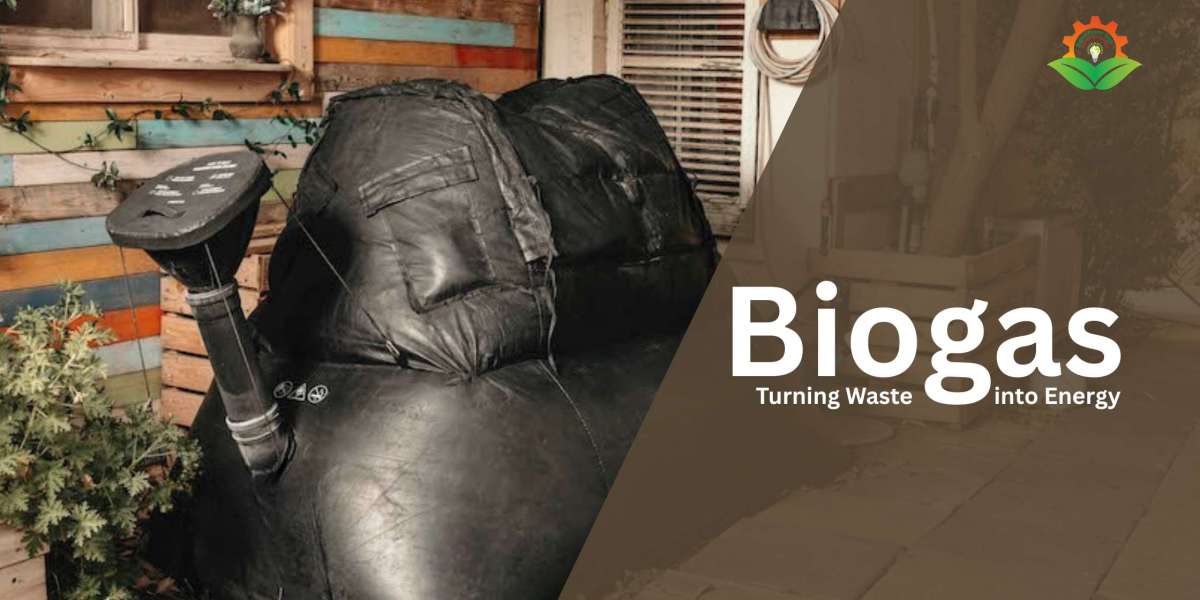

Instead of treating waste as a disposal problem, many are now considering a biogas plant as a long-term energy solution. The question is not simply how much it costs, but whether the investment delivers reliable fuel savings, efficient waste management, and lasting value over the years.
Why a Biogas Plant is More Than Just a Waste Management System
A biogas plant converts biodegradable materials into methane-rich fuel through anaerobic digestion. Organic waste such as kitchen scraps, cattle manure, crop residue, and food waste is decomposed by naturally occurring microorganisms inside a sealed oxygen-free digester. The result is renewable biogas that can be used for cooking, water heating, or small-scale electricity generation, along with nutrient-rich bio-slurry that serves as an effective organic fertilizer.
When properly engineered, a biogas system reduces dependence on conventional fuels while creating a sustainable waste-to-energy cycle. Its long-term value depends on correct design, consistent feedstock availability, and disciplined maintenance rather than simply the initial installation cost.
Biogas Plant Design Determines Long-Term Performance
A successful biogas plant design starts with understanding the site's actual operating conditions.
Engineers evaluate daily feedstock volume, expected gas demand, climate, available installation space, and future expansion needs before determining the appropriate digester capacity. Hydraulic retention time, gas storage volume, slurry management, and pipeline routing are then optimized to maintain stable microbial activity and efficient methane production.
Proper engineering ensures reliable gas yield, minimizes operational disruptions, and extends the working life of the system.
How Anaerobic Digestion Creates Renewable Energy
The efficiency of every biogas plant depends on the biological digestion process.
Organic materials including kitchen waste, cow dung, poultry litter, vegetable waste, and crop residue are mixed with water before entering the digester. Inside the sealed chamber, anaerobic microorganisms gradually convert biodegradable material into methane-rich biogas.
The generated gas can power kitchen stoves, water heaters, or small generators. Meanwhile, the remaining digestate becomes bio-slurry rich in nitrogen, phosphorus, and potassium, making it a valuable organic fertilizer that supports healthier soil and improved crop productivity.
Regular feedstock input and proper moisture balance help maintain continuous gas production throughout the year.
Correct Sizing Maximizes Return on Investment
A major factor in determining whether the investment is worthwhile is proper system sizing.
A biogas plant for home should be designed around household cooking requirements and the quantity of available kitchen waste and livestock manure. Larger dairy farms, institutions, and commercial facilities require significantly larger digesters capable of processing higher volumes of organic waste.
Oversized systems increase construction costs unnecessarily, while undersized plants often fail to meet daily gas demand. Matching plant capacity with actual waste generation delivers better efficiency, lower operating costs, and faster financial returns.
Gas Storage, Piping, and Safe Energy Delivery
Efficient gas production must be supported by safe storage and distribution.
Modern biogas plant systems include appropriately sized gas holders, pressure regulation equipment, moisture traps, leak-proof pipelines, and safety valves. These components ensure steady gas flow to cooking appliances, water heaters, or generator systems while maintaining operational safety.
Proper piping materials and installation practices reduce pressure losses, minimize maintenance requirements, and improve long-term reliability.
Key Features That Improve Long-Term Value
An efficiently engineered system offers several operational advantages beyond fuel generation.
Important features include:
Continuous gas generation
Compact installation footprint
Effective odor control through sealed digestion
Durable RCC, FRP, HDPE, or steel tank construction
Weather and temperature resilience
Low daily maintenance requirements
Easy-to-operate system design
Scalable capacity for future expansion
Long operational service life
These features contribute directly to improved lifecycle performance and lower operating costs.
Applications Across Residential and Commercial Sectors
Biogas technology supports renewable energy generation across a wide range of applications.
Typical installations include:
Rural households
Dairy and livestock farms
Agricultural cooperatives
Hostels and educational institutions
Small hotels and farm stays
Gated communities and housing societies
Rural electrification projects
Community waste-to-energy initiatives
A Domestic biogas digester for homes and farms provides decentralized cooking fuel and fertilizer production, while larger commercial systems support continuous waste management and energy recovery.
Cost and Investment Factors
The total biogas plant price depends on multiple engineering and installation considerations.
Key factors include:
Daily feedstock volume and composition
Digester size and tank material
Required gas storage capacity
Pipeline length and installation complexity
Site preparation and civil works
Space availability
Integration with cooking appliances or generators
Preventive maintenance and AMC costs
Expected payback period
Although initial investment varies, lower fuel expenses, reduced waste disposal costs, and valuable fertilizer production often provide attractive long-term financial returns.
Buyer's Guide: Selecting the Right Engineering Partner
When evaluating Biogas plant manufacturers in India, buyers should look beyond price and compare engineering capability, manufacturing quality, and after-sales support.
Important selection criteria include:
Industry experience
Digester design expertise
Manufacturing quality and material standards
Custom engineering capability
Professional installation
Technical support
Preventive maintenance services
Documentation and subsidy assistance where applicable
Proven project reliability
A Sigma Power Tech biogas plant is engineered with a focus on customized system design, quality manufacturing, professional installation, and dependable maintenance support. As a Sigma Power Tech manufacturer and service provider, the company delivers integrated renewable energy solutions that emphasize long-term operational reliability and efficient waste-to-energy conversion.
Common Mistakes That Reduce Investment Value
Several avoidable mistakes can significantly reduce system performance.
Common issues include:
Under sizing or oversizing the digester
Inconsistent daily feedstock input
Poor site selection and inadequate space planning
Ignoring effective bio-slurry utilization
Skipping routine maintenance planning
Improper gas pipeline installation
Neglecting seasonal temperature effects on digestion efficiency
Avoiding these problems improves gas production, extends equipment life, and protects the overall investment.
Conclusion
A properly engineered biogas plant is more than a renewable energy system—it is a long-term investment in sustainable fuel production, efficient organic waste management, and improved agricultural productivity. When correctly sized, professionally installed, and consistently maintained, it delivers dependable gas output, valuable bio-slurry, and measurable savings over many years.
Rather than focusing solely on upfront cost, buyers should prioritize quality engineering, durable construction, and experienced technical support. This approach ensures reliable fuel savings, enhanced fertilizer value, and a sustainable waste-to-energy infrastructure that continues to benefit households, farms, institutions, and commercial facilities well into the future.