
Many cricket fans create an account without reading what it requires. A few minutes of checking beforehand can save you from sharing too much personal information, joining a platform you cannot easily leave, or discovering too late that you were never eligible.
This guide explains how to check verification requirements before registering on a cricket fan platform, such as a score app or streaming service. It is not a step-by-step guide to creating an account on any particular service, and it does not cover money platforms. Its purpose is to help you decide, before sharing anything, whether a platform deserves your details at all.
First Question: Do You Even Need an Account?
Start by asking whether registration is necessary. Many score apps and news sites let you follow live scores and check stats without an account. An account usually becomes necessary only for personalised features: favourite teams, alerts, saved articles, or participation in a fan league.
If a platform demands a full account with personal details before showing even basic scores or fixtures, ask why. A free service should not need your full identity to show a scorecard. Disproportionate registration is an early warning sign, not a normal requirement.
Check Age and Eligibility Rules in the Terms
Every legitimate platform states who can use it. Look for an age rule in its terms, usually near the start. Some services are open to all ages, some require users to be 18 or older, and some require parental consent for younger users.
Check also whether the service is available in your country or region. A streaming service may only offer certain matches in certain regions because of rights deals, and a fan league may only be open to residents of certain countries. Finding this out before registering is far better than discovering later that you cannot use its main features.
If terms are missing, vague, or in a language you cannot read, do not register. Clear terms are a basic sign of a reliable platform.
Email and Phone Verification: The Normal Baseline
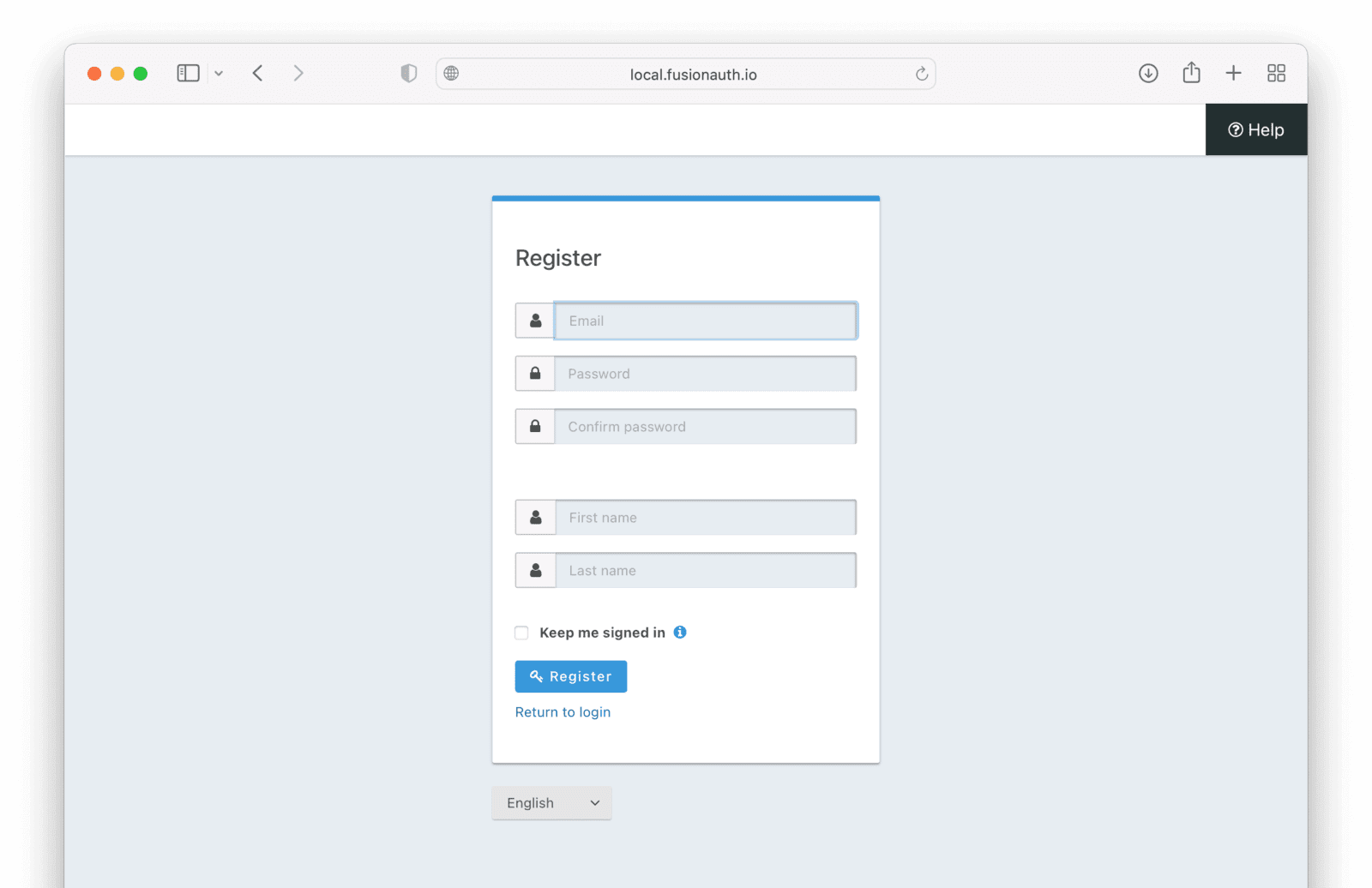
For most fan platforms, the normal baseline is simple: an email address, a phone number, or both. The platform sends a code or link to confirm you control it, which helps prevent fake accounts and helps you recover your account if you forget your password.
Check how verification works before registering. Does the platform send a code to your email or phone, which you enter yourself? That is normal. Does it ask you to share a code with someone else, cribet99, or forward it to a support agent? That is not normal. No genuine platform asks you to share a verification code with another person.
Also check whether two-factor authentication is offered, where logging in needs both a password and a code from your phone or authenticator app. A platform offering it takes security seriously.
When a Platform Asks for Identity Documents: Pause
Some services legitimately need stronger verification, such as paid streaming subscriptions. Even then, identity checks should happen through a secure, official process inside the app or website, with a clear explanation of why the document is needed, how it will be stored, and when it will be deleted.
For a free score app, fan community, or free fantasy league, a request for a government identity document, passport, driving licence, or full bank statement is disproportionate. Pause, and ask whether the service really needs that document. In most cases, it does not.
Never send identity documents through chat, email, or social media messages, even if someone claiming to be support asks for them. Genuine verification happens inside a secure account process, not in a chat window.
Read the Privacy Policy Before You Share Anything
Verification and privacy go together. Before registering, read the privacy policy, or at least its key sections: what data is collected, why, who it is shared with, how long it is kept, and how you can delete your account and data.
Pay attention to three things. Does the platform collect only what it needs, or also contacts, location history, or device data unrelated to cricket? Does it share your data with third parties, and for what purpose? Can you delete your account easily, and will data actually be deleted or only deactivated?
If a privacy policy is missing, copied from another site, or gives the platform unlimited rights over your data, do not register, however attractive the service looks.
Check Payment Verification Separately
Account verification and payment verification are different. Creating a free account should not require payment details. If a free service asks for a card number "just for verification", be suspicious, because it can be used to charge you later.
For paid services, payment should happen through an official checkout inside the app or website, with a clear price, billing period, and cancellation method. Never pay a personal bank account, wallet, or payment ID for a service that should be paid through a platform. That is a clear fraud warning sign.
Check also whether a trial automatically becomes a paid subscription and how to cancel it. A reliable platform makes cancellation as easy as sign-up. One that hides cancellation or requires a call or message to a personal number is not reliable.
Test Support and Account Recovery Before You Need Them
A useful check before registering is to test support. Send a simple question through the official help page: what verification is required, how long does it take, and how can an account be deleted? A reliable platform will answer clearly, within a reasonable time.
Also check account recovery. What happens if you lose access to your email or phone? Is there a recovery process, and can it be done through a backup email or authenticator app? A platform with no recovery process, or one that only works through an unknown chat group, risks permanent loss of your account.
Red Flags: When Not to Register
Some signs should stop you from registering at all.
First, no official presence: no verified app in the official store, no website linked by a known broadcaster or publisher, and no clear company details.
Second, disproportionate verification: a free score app asking for identity documents, bank details, or access to contacts and messages.
Third, pressure: messages saying you must register immediately, an offer ends in minutes, or your account will close if you do not verify today.
Fourth, insecure channels: verification through chat messages, personal email addresses, or links from unknown numbers, rather than inside the official app or website.
Fifth, unclear terms: no age rule, privacy policy, cancellation method, or way to delete your account.
If a platform shows two or more of these signs, do not register. Use a better-known alternative instead. Official broadcasters and major sports publishers cover almost every match, without unusual verification.
Frequently Asked Questions
What verification do most cricket fan platforms require?
Usually just an email address or a phone number, confirmed by a code or a link. Paid services may add payment verification through an official checkout.
Should a free score app ask for my identity document?
No, not normally. A free score app, fan community, or free fantasy league does not need a government identity document to show scores or run a free league. Such a request is disproportionate and should be treated as a warning sign.
What should I do if someone asks for my verification code?
Do not share it. No genuine platform asks you to share a code sent to your phone or email. End the conversation and contact the platform through its official help page.
How can I check if a platform's verification process is legitimate?
Check that the app is in the official store under the correct publisher; verification happens inside the official app or website; the terms and privacy policy are clear; and support can explain the process before you register.
Can I delete my account if I change my mind?
On a reliable platform, yes, and the process should be clear in its terms or help pages. Check before registering whether data is actually deleted or only deactivated.