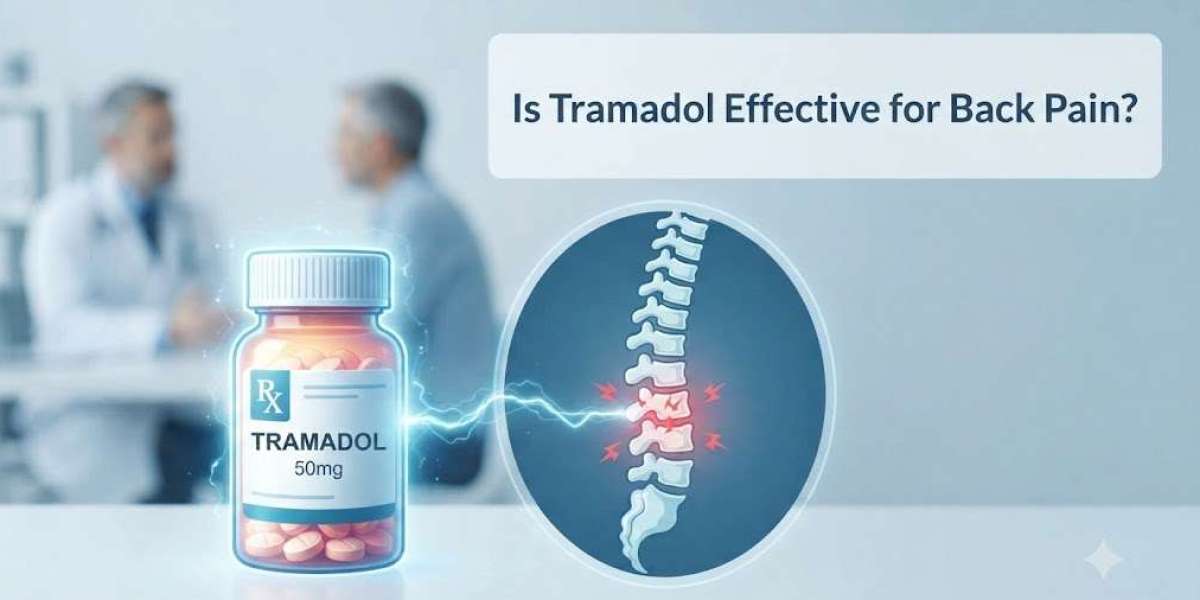

Back pain can affect daily activities, sleep, mobility, and overall quality of life. Finding the right treatment depends on the cause of the pain, how severe it is, and a person's medical history. One medicine sometimes considered for moderate to severe pain is tramadol. But is tramadol effective for back pain, and is it the right option for everyone?
Tramadol may provide short-term pain relief for some people, but it is an opioid medication with important safety risks. It is not generally recommended as a first-line treatment for routine lower back pain. A healthcare professional can help determine whether its potential benefits outweigh its risks.
What Is Tramadol and How Does It Work?
Tramadol is a prescription opioid pain medicine used to treat certain types of moderate to severe pain. It works by changing how the brain and nervous system process pain signals.
This means tramadol may reduce the sensation of pain, but it does not necessarily treat the underlying cause of back pain. For example, it will not correct a spinal injury or resolve every cause of muscle inflammation.
Tramadol pain medication is available in different formulations, including immediate-release and extended-release products. The appropriate formulation depends on the clinical situation and the prescriber's assessment.
Because tramadol can cause dependence, sedation, and potentially life-threatening breathing problems, it should only be used according to a healthcare professional's instructions.
Is Tramadol Effective for Back Pain?
Yes, tramadol may help relieve back pain in some circumstances, but its effectiveness varies, and it is not suitable for everyone.
Some clinical studies have found that tramadol improve chronic pain symptoms over the short term in certain people with chronic lower back pain. However, the evidence does not establish that it is the best option for routine back pain, and potential benefits must be weighed against adverse effects.
For acute lower back pain, non-opioid treatments are generally preferred. The US Centers for Disease Control and Prevention advises prioritizing non-opioid treatments for many common pain conditions, including lower back pain. UK guidance also advises against routinely using opioids for acute lower back pain and recommends against their use for chronic lower back pain. [1][2]
A clinician may consider an opioid in selected circumstances when other suitable treatments have not worked or cannot be used. This requires an individual assessment rather than choosing medication based on symptoms alone.
When Might Tramadol Be Prescribed for Back Pain?
Back pain can result from muscle strains, disc problems, arthritis, nerve irritation, or other conditions. Treatment should address the likely cause and the person's symptoms.
A healthcare professional may assess factors such as:
Whether the pain is acute or persistent.
How much the pain affects movement and daily activities.
Whether other treatments have provided relief.
Existing health conditions and other medicines being taken.
The potential risks of opioid treatment, including dependence.
Tramadol is not appropriate for every type of back pain. A clinician may recommend physical therapy, appropriate non-opioid medication, activity modification, or other treatments before considering an opioid.
What Is the Appropriate Tramadol Dosage?
There is no single tramadol dosage that is appropriate for everyone with back pain. The prescribed dose depends on factors such as the formulation, the severity of pain, age, other health conditions, other medicines, and individual response.
If tramadol has been prescribed, follow the instructions on the prescription label and ask a pharmacist or prescriber if anything is unclear.
Important precautions include:
Do not take more than the prescribed amount.
Do not increase the dose or take doses more frequently without medical advice.
Do not combine tramadol with alcohol or other sedating substances without professional guidance.
Do not crush or chew extended-release tablets or capsules.
Do not stop regular use suddenly without consulting your prescriber, as withdrawal symptoms may occur.
The safest tramadol dosage is the one specifically prescribed for the individual after an appropriate medical assessment. Never use someone else's prescription or adjust treatment based on advice intended for another person. [3]
What Are the Side Effects and Risks of Tramadol?
Tramadol can cause side effects, even when taken as prescribed. Common effects may include:
Nausea or vomiting
Constipation
Dizziness
Drowsiness
Headache
More serious risks include physical dependence, addiction, overdose, seizures, and dangerously slow breathing. Risk may increase when tramadol is combined with alcohol, benzodiazepines, sleeping medicines, or other drugs that cause sedation.
Seek emergency medical help if someone taking tramadol develops slow or difficult breathing, cannot be awakened, or becomes unusually unresponsive.
Anyone with concerns about side effects, dependence, or interactions should speak with a qualified healthcare professional before making changes to treatment.
What Are the Alternatives to Tramadol for Back Pain?
The most appropriate treatment depends on the cause and duration of back pain. Options that a healthcare professional may recommend include:
Staying active: Gentle movement and gradually returning to usual activities can help many people with lower back pain. Prolonged bed rest is generally not recommended.
Physical therapy and exercise: An individualized exercise program may improve mobility, strength, and function, particularly when pain persists.
Heat therapy: Superficial heat may provide short-term relief for some types of acute lower back pain.
Non-opioid medicines: Depending on individual risks and medical history, a clinician may consider an anti-inflammatory medicine or another appropriate option. These medicines also have potential side effects and are not suitable for everyone.
Further assessment: Persistent, worsening, or unexplained pain may require additional evaluation to identify the underlying cause and determine the best treatment.
Do not start a new medicine or combine pain treatments without checking whether they are appropriate for you.
Can You Buy Tramadol Online Safely?
People searching for buy tramadol online should understand that tramadol is a prescription medicine and is subject to legal restrictions that vary by country.
A legitimate online pharmacy should follow the applicable local laws, verify prescriptions when required, and provide access to appropriate pharmacist guidance. Avoid websites offering prescription medicines without required medical checks or making unrealistic claims about guaranteed results.
Before obtaining tramadol online, confirm that the pharmacy is properly licensed in the relevant jurisdiction and that the medicine has an authorized source. Online availability does not mean a medicine is suitable for your symptoms.
If you have back pain and think you may need prescription treatment, consult a qualified healthcare professional rather than self-diagnosing or selecting an opioid independently.
Frequently Asked Questions
1. Does tramadol work immediately for back pain?
Immediate-release tramadol often begins to relieve pain within approximately 30–60 minutes, although the response varies. Extended-release formulations work differently. Follow the instructions for your prescribed product and do not take extra doses if relief is delayed. [3]
2. Is tramadol good for severe lower back pain?
It may be considered in selected cases, but severe pain does not automatically mean tramadol is the right treatment. A clinician should assess the cause, available alternatives, and potential risks before recommending an opioid.
3. Can tramadol be used for chronic back pain?
Long-term use requires careful evaluation because evidence of sustained benefit is limited and the risks of dependence and other serious harms increase with opioid exposure. UK guidance advises against offering opioids for chronic lower back pain. [2]
4. Can tramadol be taken with other pain medicines?
Some medicines may be used together under professional supervision, while others may increase the risk of side effects or interactions. Ask your doctor or pharmacist before combining tramadol with any prescription, over-the-counter, or herbal product.
Conclusion
Tramadol can help relieve certain types of pain, including some cases of chronic lower back pain, but it is not a first-choice treatment for most routine back pain. Its potential benefits must be weighed against side effects, dependence, and the risk of serious breathing problems.
If back pain is persistent, severe, or affecting daily activities, seek professional advice to identify the cause and discuss suitable treatment options. Use prescription medication only as directed, and prioritize evidence-based care that supports both pain relief and long-term function.