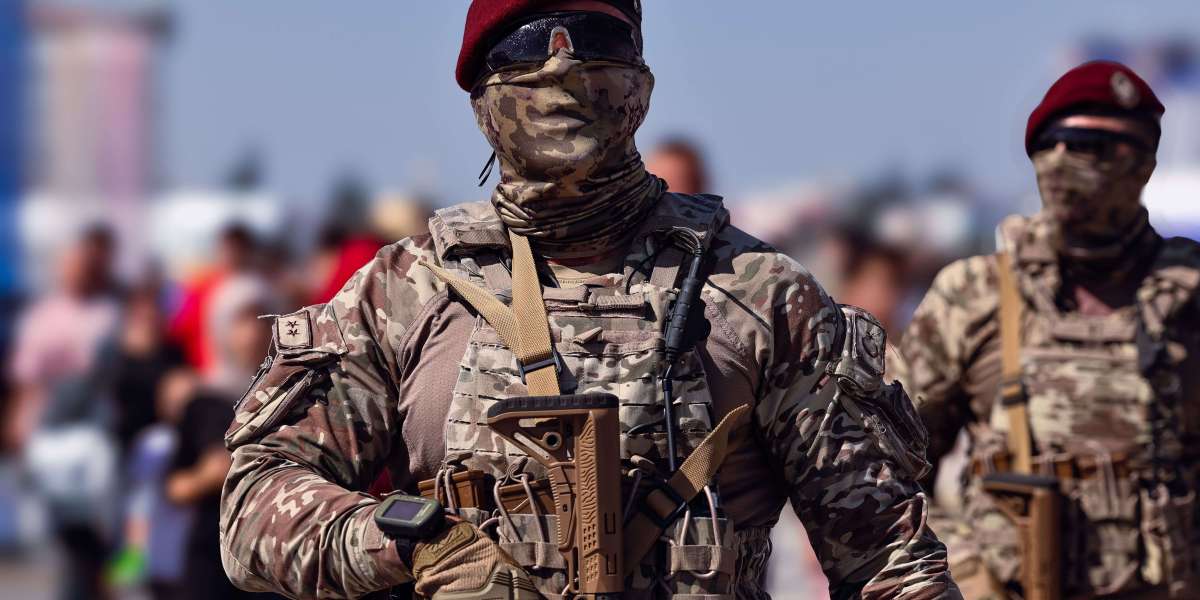

Threat detection and emergency response are essential elements of effective homeland security planning. Security organizations must be able to recognize potential risks, assess available information, and coordinate suitable action when incidents develop. These responsibilities extend across public facilities, transportation systems, government operations, critical infrastructure, and other environments where disruptions can affect communities. The homeland security market supports these needs through monitoring technologies, detection equipment, analytical software, communications systems, and emergency management services.
Organizations are increasingly exploring threat detection and response systems that connect monitoring capabilities with incident management procedures. Such systems can help personnel collect alerts, review relevant information, communicate with response teams, and document actions. Their purpose is not simply to detect a possible threat but also to support an organized process for assessing and responding to it.
Improving Early Threat Identification
Early identification can give security teams more time to assess developing situations and coordinate appropriate measures. Monitoring systems can collect information from cameras, sensors, alarms, access controls, and other operational equipment. When this information is presented clearly, authorized personnel can better understand unusual activity and determine whether further investigation is necessary.
Detection requirements vary according to the environment. A transportation facility may prioritize screening and crowd monitoring, while an industrial site may focus on perimeter protection and environmental hazards. Government buildings may require a combination of visitor management, access control, and emergency communication.
Organizations should therefore identify their main risks before selecting detection technologies. A solution that works well in one setting may perform differently in another. Environmental conditions, staff availability, system compatibility, and maintenance requirements all influence practical performance.
The Role of Data Analytics
Security teams may need to evaluate large amounts of information from different systems. Data analytics can help organize this information, identify patterns, and highlight events that deserve attention. Analytical tools can also support the review of previous incidents, helping organizations understand recurring weaknesses and improve their procedures.
Artificial intelligence can assist with selected analytical tasks, including alert classification and the identification of unusual activity. These capabilities may reduce some manual workloads and help personnel prioritize their attention.
However, detection software should not be treated as infallible. Incorrect alerts can arise from incomplete information, technical limitations, or unexpected environmental conditions. Human review remains important, especially when a system's output could influence significant operational decisions.
Security organizations should also evaluate their analytical tools regularly. Testing against realistic operating conditions, reviewing errors, and updating procedures can help maintain dependable performance.
Coordinated Incident Response
Identifying a potential threat is only one part of the security process. Personnel must also determine how to communicate findings, notify relevant teams, and implement appropriate response procedures. Clear responsibilities can prevent confusion and support coordinated action during stressful situations.
Incident management platforms can help organizations record events, track response activities, and share relevant information with authorized personnel. Communication systems can connect security teams with emergency responders, facility managers, and government agencies when cooperation is required.
Preparedness exercises are valuable because they allow organizations to test these arrangements before a real emergency occurs. Exercises can reveal communication gaps, unclear responsibilities, equipment problems, and delays in decision-making. Findings should be used to update response plans and improve staff training.
Resilience and System Reliability
Threat detection systems must remain dependable during demanding operating conditions. Equipment failures, power interruptions, network disruptions, and cyber incidents can interfere with monitoring and communication. Organizations need contingency arrangements that allow essential functions to continue when primary systems become unavailable.
Regular maintenance, backup communication methods, secure configurations, and documented recovery procedures can strengthen operational resilience. Staff members should also understand how to respond when automated tools fail or produce conflicting information.
Cybersecurity is particularly important when monitoring and response platforms exchange information across connected networks. Restricting access, updating software, and monitoring system activity can help reduce exposure to digital threats.
Future Direction of Threat Detection
The future of threat detection and response will likely emphasize integrated monitoring, better analytical support, reliable communications, and improved coordination between agencies. Organizations will continue to assess how emerging technologies can improve awareness without creating unnecessary complexity.
Successful security operations require more than advanced equipment. Reliable information, skilled personnel, clear accountability, and regular preparedness exercises remain fundamental. By combining these elements, organizations can strengthen their ability to identify concerns, manage incidents, and recover from disruptions.
Frequently Asked Questions
FAQ 1: What is threat detection in homeland security?
Threat detection involves monitoring relevant information, identifying potential risks, assessing alerts, and helping security personnel determine whether further investigation or action is required.
FAQ 2: How can organizations improve emergency response?
Organizations can improve emergency response through clear procedures, reliable communication, staff training, regular exercises, coordinated information sharing, and effective contingency planning.








