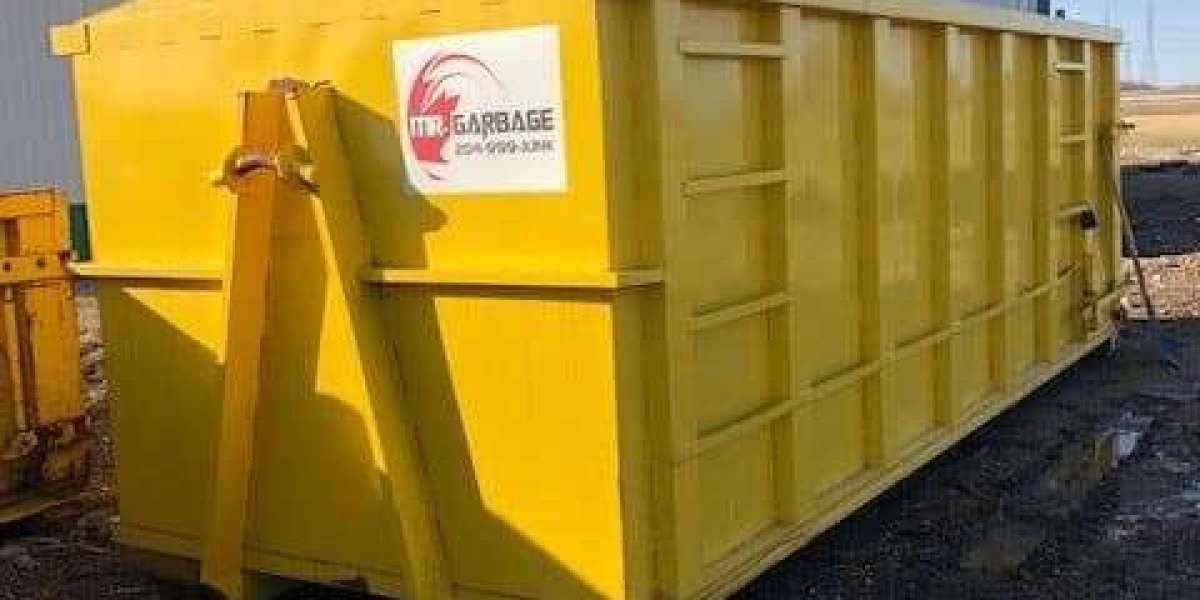

Big cleanouts are liberating — and messy. When you’re clearing a whole house, basement, or several rooms at once, curbside pickup usually isn’t enough. A bin rental for garbage gives you a single, contained place to keep everything until the job is done.
This guide helps Winnipeg homeowners understand when a bin rental for garbage is the smart move, how to choose the right bin and placement, what to avoid throwing in, and how to make the process safe and diversion-friendly. You’ll find real Winnipeg examples, an expert perspective, links to official local guidance, and clear steps to work with a local provider like Mr. Garbage.
When to choose a bin rental for garbage
Deciding whether you need a bin comes down to scale, convenience, and safety. Choose a bin rental for garbage when:
You’re clearing multiple rooms or an entire home, and the volume exceeds regular curbside limits.
You’re doing demolition or renovation that produces bulky or odd-sized debris.
You want to keep the site tidy and reduce trips to the transfer station.
You need a place to consolidate materials that contractors can use throughout the job.
A bin is also useful when timing matters — if you want a single, predictable pickup at the end of the project instead of intermittent trips.
Types of projects that commonly need a bin rental for garbage
Major declutters and estate cleanouts.
Estate clearances and whole-house decluttering produce lots of mixed items: furniture, boxes, and sometimes unwanted valuables. A bin speeds the process and lets you separate donation-worthy goods.
Renovations and demo work
Renovation debris — drywall, cabinetry, trim — takes up a lot of space. A bin keeps work areas safe and reduces contractor downtime from hauling.
Landscaping and storm cleanup
Large volumes of branches, sod, and sod removal are awkward. Separate organics when possible so they can be composted rather than landfilled.
Choosing the right bin rental for garbage for your cleanout
Picking the right bin is not just about size; it’s about material type and access.
Match the bin to the dominant material.
Ask yourself: Is the load mostly light and bulky (furniture, mattresses) or dense and heavy (soil, concrete, brick)? Dense materials can hit weight limits long before the bin looks full, so communicate the dominant material to your hauler.
Consider site access, driveway, and placement.
Measure gate widths, driveway length, and note overhead wires or tree branches. If the bin must sit on the street or boulevard, municipal permits may be required — plan ahead. For Winnipeg permit guidance, consult the City of Winnipeg’s Use of Street information.
Permits and Winnipeg rules for bin placement
Municipal rules affect where your bin can legally sit.
Street placement and the City of Winnipeg
If any portion of your bin occupies the public right-of-way — the street, boulevard, or sidewalk — you’ll typically need a Use of Street/right-of-way permit. These permits protect pedestrians and traffic and may include conditions about signage and placement. Experienced local haulers can often arrange permits for you.
Preparing your site for the bin delivery
Simple prep prevents damage and delays.
Clear and protect the placement area
Move vehicles and garden furniture.
Lay plywood or protective boards on delicate surfaces like interlocking pavers or stamped concrete.
Trim low branches and note any overhead obstructions.
Taking photos of your driveway and approach and sending them to the hauler prevents surprises and helps them choose the best delivery method. Many Winnipeg services, including the local provider linked below, request photos at booking.
Loading best practices for safety and pickup success
How you load the bin affects safety and whether the hauler can collect it.
No overhang — keep materials below the rim
Anything sticking out above the rim may be refused for transport. Stack carefully and break down large items where possible.
Distribute weight and place heavy items low.
Put dense items toward the center and bottom. This stabilizes the load and protects the truck and crew.
Secure loose materials and tie brush bundles.
Loose debris can blow out during transport. Tie branches and compact loose items to keep the load secure.
What you can and can’t put in a bin rental for garbage.
Understanding restrictions avoids refused pickups and regulatory issues.
Acceptable items for most bin rentals
Household junk and furniture (unless specifically restricted).
Construction debris like clean wood, drywall, and cabinetry (avoid suspect asbestos).
Yard waste that’s not contaminated by soil or hazardous materials.
Items typically prohibited or specially handled.
Hazardous liquids (paint, solvents, gasoline) — these need hazardous-waste routes.
Appliances with refrigerants (fridges, freezers, ACs) require certified refrigerant recovery.
Asbestos or suspect building materials — require licensed abatement.
Medical waste, sharps, and compressed gas cylinders.
If in doubt, photograph the item and ask your hauler before tossing it in the bin.
Diversion: How to maximize recycling and donations during a large cleanout
A bin rental for garbage doesn’t mean everything has to go to the landfill. With a bit of planning, you can funnel many materials to reuse or recycling streams.
Separate donation-ready items early
Set aside usable furniture and household goods. Teams from local charities often accept well-kept pieces; many haulers can transport donations directly.
Recycle metals, electronics, and clean wood.
Ask your hauler which local processors they use; routing to certified recyclers keeps materials circulating and supports provincial diversion programs. Manitoba’s WRARS program supports local processors and encourages diversion — ask how your hauler works with WRARS-linked facilities.
National context: why diversion matters
Canada tracks solid-waste diversion closely, and national indicators show the environmental benefits of recycling and reuse. Your choices during a cleanout contribute to those outcomes.
Real Winnipeg examples — how bin rentals smoothed big cleanouts
Whole-house declutter (real example)
A Winnipeg family needed to clear out decades of accumulated items before selling. They booked a bin rental for garbage, separated donation items into a marked area, and used the bin for true trash and demolition debris. The local hauler took donations to a vetted charity and routed recyclables to appropriate processors — the house went on the market clean and ready.
Renovation and contractor coordination (real example)
A homeowner renovating a kitchen arranged a bin near the garage. Contractors broke down cabinetry and stacked drywall to maximize space. Because the hauler knew local rules and accepted certain construction materials, the bin pickup was smooth, and the job stayed on schedule.
These examples show how planning and local knowledge remove friction from big projects.
Hiring a hauler — what to look for
Choosing the right local provider makes a big difference.
Photo intake and clear communication
A hauler that requests photos and gives clear instructions about prohibited items reduces surprises. They should confirm placement options and whether a street permit is needed.
Local experience and diversion partnerships
Local haulers know Winnipeg streets, permit processes, and which processors accept different materials. Providers tied into local recycling networks and charity partners will maximize diversion.
Insurance and safety practices
Confirm the hauler carries appropriate liability insurance and follows safe loading protocols, especially for inside carries or delicate properties.
Expert perspective
“Large cleanouts are fundamentally logistics problems,” says a Winnipeg waste-management consultant. “A good hauler turns those logistics into a single predictable process: photos at booking, clear direction on banned items, and a local routing plan that maximizes reuse. That’s the difference between a disruptive weekend and a smooth finish.” (Expert comment to guide homeowners.)
How Mr. Garbage can help with your large home cleanout
Mr. Garbage offers photo-based intake, placement advice, and diversion-aware routing. They can suggest the right bin type for your dominant material, arrange street permitting guidance when necessary, and coordinate donation pickups to local partners when items qualify. For Winnipeg homeowners who want a low-stress cleanout, local support removes a lot of the workload.
(See Mr. Garbage’s guidance on choosing bin sizes and preparations for Winnipeg projects.)
Step-by-step checklist for a smooth bin rental for garbage cleanout
Use this checklist before your bin arrives:
Photograph rooms, access routes, and the proposed placement spot.
Separate donation-worthy items into a marked area.
Flag appliances and suspect materials in your booking message.
Lay protective boards on delicate driveways and clear the approach.
Tie brush bundles and break down sheet goods to maximize space.
Confirm pickup instructions and any required permits with your hauler.
Following these steps drastically reduces the chance of refused pickups or last-minute scrambling.
Final thoughts —
A bin rental for garbage is a practical tool for homeowners facing a major cleanout. With a little planning — photos, separation, and local expertise — you’ll reduce hassle, increase diversion, and protect your property.
If you want help planning a Winnipeg cleanout, Mr. Garbage can review photos, recommend an appropriate bin, advise on permits, and route donations and recyclables to local partners. Send your details, and they’ll make your large cleanout predictable and tidy.
Frequently Asked Questions (FAQ) —
Q1: When should I rent a bin for garbage instead of using curbside pickup?
A1: Rent a bin when your cleanout produces more volume than curbside limits, when you have bulky items contractors will use, or when you want a single on-site container for the entire project.
Q2: What items are not allowed in a standard bin rental for garbage?
A2: Hazardous liquids, refrigerant-containing appliances (without certified recovery), asbestos or suspect building materials, medical/biohazardous waste, and compressed gas cylinders are typically prohibited. Always check with your hauler.
Q3: Do I need a permit to place a bin on the street in Winnipeg?
A3: If the bin will occupy public space (street, boulevard, sidewalk), a Use of Street/right-of-way permit is usually required by the City of Winnipeg. Ask your hauler if they assist with permits.
Q4: How can I increase recycling and donations during a large home cleanout?
A4: Separate donation-worthy items and recyclables before loading. Work with a local hauler that partners with charities and certified recyclers — Manitoba’s WRARS program supports local diversion and processor networks.
Q5: What should I send to the hauler when booking a bin rental for garbage?
A5: Send 3–5 clear photos showing the rooms you’ll empty, the access route (gates, stairs, driveway), and the proposed bin placement area. Note any heavy or unusual items and flag potential hazardous materials.