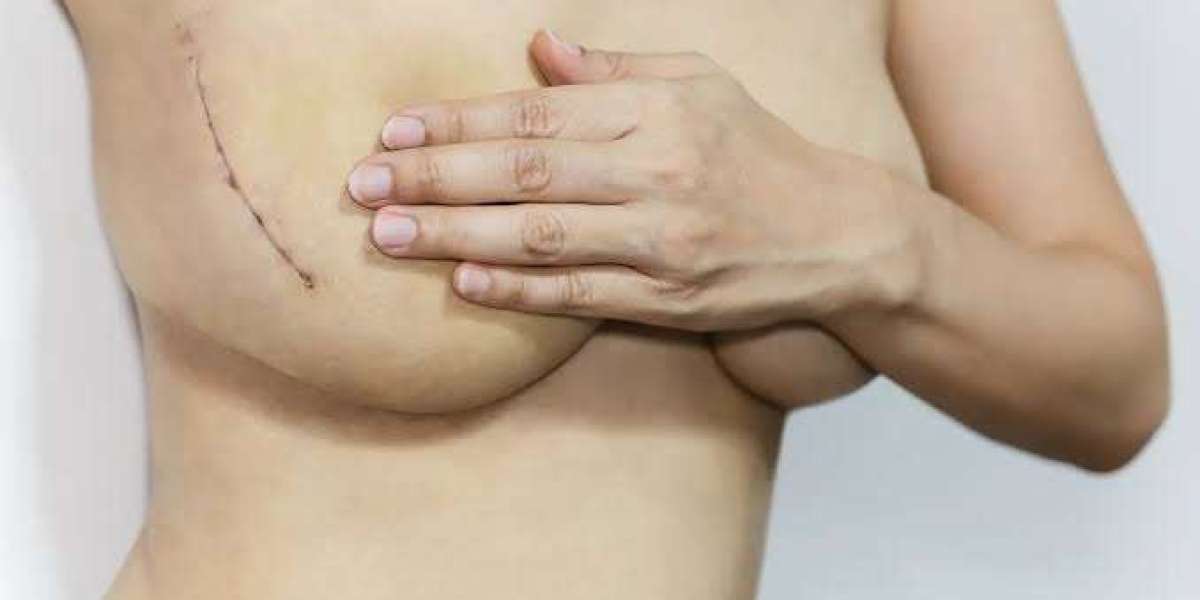

Scarring is a normal part of breast reconstruction because the procedure involves surgical incisions. Patients considering Breast Reconstruction in Dubai often want to understand where scars may appear, how noticeable they might be, and whether they will change over time.
The location and appearance of scars depend on the reconstruction technique, the surgeon's incision plan, and the patient's natural healing process. Some procedures leave scars around the breast, while others also leave marks on another part of the body where tissue was taken.
Why Does Breast Reconstruction Leave Scars?
Breast reconstruction requires incisions to create or restore breast shape. These incisions allow the surgeon to place an implant, use a tissue expander, or transfer tissue from another area of the body.
As the skin heals, the body produces collagen to repair the incision. This process creates scar tissue. Initially, scars may appear pink, red, raised, or firm before gradually changing in appearance.
The final appearance varies between individuals. Skin type, genetics, wound healing, surgical technique, and postoperative care can all influence scar development.
Breast Augmentation Lab
Breast Augmentation Lab provides educational information about breast enhancement and reconstruction procedures. Understanding surgical approaches, incision placement, and recovery considerations can help patients discuss their expectations with a qualified specialist.
Where Are Scars Located After Implant-Based Breast Reconstruction?
Implant-based reconstruction usually involves incisions around the breast area. The exact location depends on the surgical approach and the patient's previous breast surgery.
In some cases, the incision may be placed along the lower breast fold. Other approaches may use an existing mastectomy scar or another suitable location.
If tissue expanders are used before permanent implants, patients may undergo more than one procedure. This can affect the number and location of scars.
What Scars Can Flap Reconstruction Leave?
Flap reconstruction uses tissue from another part of the body to create a breast shape. As a result, patients may have scars on both the breast and the donor site.
For example, DIEP or TRAM flap reconstruction may leave an abdominal scar because tissue is taken from the lower abdomen. Other techniques may involve tissue from the back or thigh.
The appearance and location of donor-site scars depend on the specific flap technique and how the incision is closed. Patients should discuss these details with their surgeon before choosing a procedure.
Do Breast Reconstruction Scars Fade Over Time?
Breast reconstruction scars often change as healing progresses. During the early stages, they may look darker, redder, or more noticeable than expected.
Over the following months, scars can gradually become flatter and lighter. However, they may not disappear completely. Some scars remain visible even after the tissues have fully healed.
The speed of scar maturation varies. Patients should avoid judging the final appearance too early because scar tissue can continue changing for many months.
What Factors Affect the Appearance of Breast Reconstruction Scars?
Several factors can influence how scars develop. Genetics and natural skin characteristics may affect whether someone forms flat, raised, or thicker scars.
The surgical technique, incision placement, wound closure, and healing conditions also matter. Infection, excessive tension on an incision, or delayed wound healing may affect the final scar.
Smoking and nicotine use can interfere with circulation and tissue healing. Following the surgeon's instructions and attending follow-up appointments can help the medical team monitor scar development.
Can Breast Reconstruction Scars Become Raised or Thick?
Some patients develop raised scars as the body produces additional collagen during healing. These may include hypertrophic scars, which remain within the boundaries of the original incision, or keloid scars, which can extend beyond it.
Not everyone develops these types of scars. A person's history of abnormal scarring may help the surgeon assess the possibility before surgery.
Patients who notice unusual thickening, itching, discomfort, or changes in a scar should discuss them with their medical team. Treatments may be available depending on the scar type and healing stage.
How Can You Care for Scars After Breast Reconstruction?
Scar care should begin only when the surgeon confirms that the incisions have healed sufficiently. Patients should keep the area clean and follow instructions about dressings and wound protection.
A surgeon may recommend silicone gel or silicone sheets for suitable scars. Sun protection may also help reduce darkening when scars are exposed to sunlight.
Avoid massaging healing incisions or applying creams and oils before receiving medical approval. Patients should also avoid picking at scabs or pulling at the skin around the surgical area.
Can Breast Reconstruction Scars Be Reduced?
Some treatments may help improve the appearance of certain scars, although no method can guarantee that scars will disappear.
Depending on the scar, a specialist may discuss silicone products, laser treatments, steroid injections, or surgical scar revision. These options are not suitable for every patient and may only be considered after sufficient healing.
The appropriate approach depends on the scar's appearance, location, age, and the patient's medical history.
Are Breast Reconstruction Scars Different From Breast Augmentation Scars?
Yes. Breast augmentation generally involves placing implants to increase breast size, while breast reconstruction aims to restore breast shape after tissue removal or damage.
Because the goals and surgical techniques differ, incision locations and scar patterns may also be different. Reconstruction may involve previous mastectomy scars, additional breast incisions, or donor-site scars when the patient's own tissue is used.
The surgeon can explain the likely scar locations based on the planned procedure.
Final Thoughts
Breast reconstruction can leave scars on the breast and, in some procedures, on another part of the body. Their appearance depends on the surgical technique, incision placement, and individual healing characteristics. Although scars often become less noticeable over time, they may not disappear completely.
Patients considering Breast Reconstruction in Dubai should discuss expected scar locations, healing, and possible scar treatments with a qualified surgeon before surgery. Understanding these details can help establish realistic expectations.