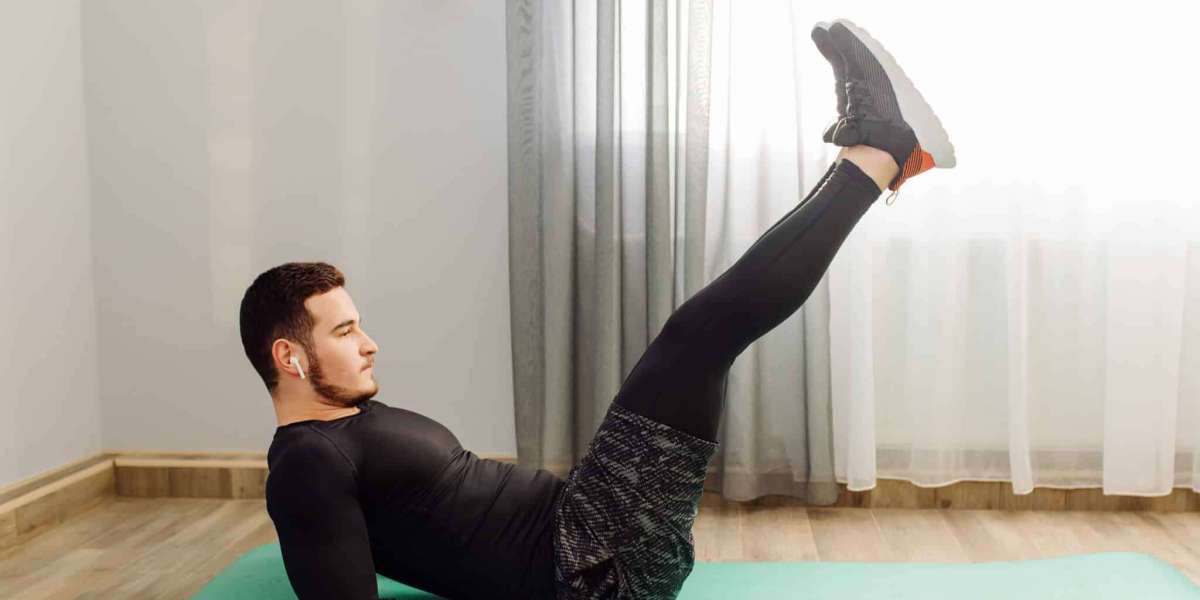

Bladder control issues can affect men of all ages, impacting daily activities, confidence, and quality of life. While it is often associated with aging or surgery, urinary incontinence and leakage can result from a variety of factors, including pelvic floor weakness, injury, or chronic strain. Male pelvic floor physiotherapy Edmonton provides a structured approach to addressing these issues, helping men regain control and improve function.
At Next Step Physiotherapy, rehabilitation programs are designed to assess pelvic health, restore muscle function, and educate patients on long-term management. This article explains how male pelvic floor physiotherapy works, what to expect during treatment, and practical strategies for improving bladder control.
Understanding Male Pelvic Floor Health
The pelvic floor is a group of muscles, ligaments, and connective tissue that support the bladder, bowel, and sexual organs. These muscles help control urination, maintain continence, and provide stability for the core and spine.
In men, pelvic floor weakness or dysfunction can result from:
Age-related muscle weakening
Prostate surgery, including prostatectomy
Chronic straining from constipation or heavy lifting
Neurological conditions affecting muscle control
Sports or activity-related injuries
Symptoms of pelvic floor dysfunction may include:
Urinary leakage or dribbling
Difficulty starting or stopping urination
Frequent urination or urgency
Weak urine stream
Pelvic or lower abdominal discomfort
Early intervention with male pelvic floor physiotherapy Edmonton can improve muscle function and bladder control while reducing long-term complications.
Why Male Pelvic Floor Physiotherapy Helps
Male pelvic floor physiotherapy targets the muscles responsible for bladder control, teaching patients how to strengthen, coordinate, and properly engage these muscles. Unlike general exercise, pelvic floor physiotherapy focuses on precision, timing, and functional integration with everyday activities.
The benefits of physiotherapy include:
Improving voluntary control over bladder function
Strengthening weak pelvic floor muscles
Teaching relaxation for muscles that are overly tight
Reducing urinary leakage during daily activities or physical exertion
Providing strategies to manage urgency and frequency
By combining assessment, exercise, and education, physiotherapists can help men regain confidence in bladder control.
What to Expect During a Male Pelvic Floor Physiotherapy Session
A typical session at a clinic like Next Step Physiotherapy includes assessment, guided exercises, and personalized instruction. The process usually involves:
1. Initial Assessment
During the first session, the physiotherapist will:
Review medical history, including prior surgeries or injuries
Discuss symptoms and how they affect daily life
Examine posture, core stability, and pelvic floor muscle function
Conduct internal or external assessments if necessary (with patient consent)
This assessment helps identify specific muscle weaknesses, overactivity, or coordination issues.
2. Muscle Training
Based on the assessment, exercises are prescribed to improve muscle strength, endurance, and coordination. Techniques may include:
Kegel exercises – targeted contractions of the pelvic floor muscles
Biofeedback training – visual or auditory feedback to help identify correct muscle activation
Functional exercises – integrating pelvic floor engagement during sitting, standing, lifting, or other daily activities
Relaxation exercises – teaching muscles to release tension when needed
The goal is to ensure that men can contract and relax their pelvic floor muscles effectively during real-life situations.
3. Education and Lifestyle Guidance
Physiotherapy also includes strategies to support bladder control outside the clinic:
Bladder training and timed voiding schedules
Techniques for preventing strain during lifting or exercise
Core strengthening exercises to support pelvic stability
Posture and breathing guidance to reduce pressure on the bladder
Education helps men apply physiotherapy techniques consistently in their daily routines.
4. Progress Monitoring
Rehabilitation progress is monitored through follow-up sessions. Physiotherapists adjust exercises based on improvements, challenges, and patient feedback. Regular monitoring ensures that:
Muscle strength and coordination are improving
Symptoms such as leakage or urgency are reduced
Patients are comfortable and confident performing exercises independently
Ongoing assessment allows for gradual progression toward functional bladder control and activity resumption.
Common Conditions Treated With Male Pelvic Floor Physiotherapy
Male pelvic floor physiotherapy Edmonton can help with a variety of conditions related to bladder control, including:
Post-prostate surgery incontinence – after prostatectomy or other surgeries, men may experience leakage or weak bladder control
Stress incontinence – urine leakage during activities that increase abdominal pressure, like coughing, sneezing, or lifting
Urge incontinence – sudden urgency or frequent urination due to overactive bladder muscles
Mixed incontinence – combination of stress and urge incontinence
Chronic pelvic pain or tension – tight muscles contributing to functional or urinary problems
Tailored physiotherapy plans address these conditions through targeted exercises and functional retraining.
Home Exercise and Self-Care
Rehabilitation extends beyond the clinic. Men are encouraged to:
Perform prescribed exercises consistently at home
Monitor bladder habits and follow timed voiding schedules
Avoid straining during lifting or bowel movements
Maintain good posture and core engagement during daily tasks
Home exercises reinforce clinic sessions and support lasting improvement in bladder control.
Timeline for Improvement
Recovery timelines vary depending on the underlying cause of pelvic floor dysfunction and adherence to physiotherapy:
Mild muscle weakness or early-stage dysfunction – improvement may be seen in 4–6 weeks
Post-surgical recovery – regaining functional bladder control may take several months
Complex or long-standing dysfunction – progress may require 3–6 months of consistent physiotherapy and home exercises
Consistency with exercises, lifestyle adjustments, and follow-up sessions contributes to sustained results.
Benefits of Male Pelvic Floor Physiotherapy in Edmonton
Consulting a male pelvic floor physiotherapist in Edmonton provides:
Individualized rehabilitation plans targeting specific dysfunctions
Evidence-based exercises to strengthen and coordinate muscles
Education on managing bladder symptoms in daily life
Structured recovery plans post-surgery or after injury
Ongoing support and adjustments based on progress
Clinics like Next Step Physiotherapy offer professional guidance, privacy, and tailored programs to help men regain control and confidence.
Preparing for Your First Appointment
To make the most of physiotherapy sessions:
Wear comfortable clothing suitable for movement
Bring any relevant medical reports or surgical information
Make a list of symptoms, concerns, and daily activities affected
Be prepared to discuss bladder habits, physical activity, and lifestyle factors
Preparation allows the physiotherapist to create an effective, individualized plan.
Conclusion
Bladder control issues can affect men at any stage of life, but targeted intervention through male pelvic floor physiotherapy Edmonton offers practical solutions. By assessing muscle function, prescribing tailored exercises, and providing education, physiotherapists help men regain control and improve quality of life.
At Next Step Physiotherapy, rehabilitation programs are individualized to address specific needs, whether due to post-surgical recovery, stress incontinence, or chronic dysfunction. Early intervention, consistent therapy, and home-based exercises help men achieve functional bladder control and restore confidence in daily activities.
Male pelvic floor physiotherapy is not only a treatment for urinary issues but also a tool to support overall pelvic health, core stability, and long-term well-being.