
The utility penetrations had been fitted with standard construction sleeves instead of a Blast Protection Wall Sleeve. While the difference seemed minor, it could determine whether the wall maintained its integrity during an explosion. In high-risk industries, even a single weak point can compromise an entire protection system, making the choice between a blast protection sleeve and a standard sleeve far more important than many realize.
What is a Blast Protection Wall Sleeve?
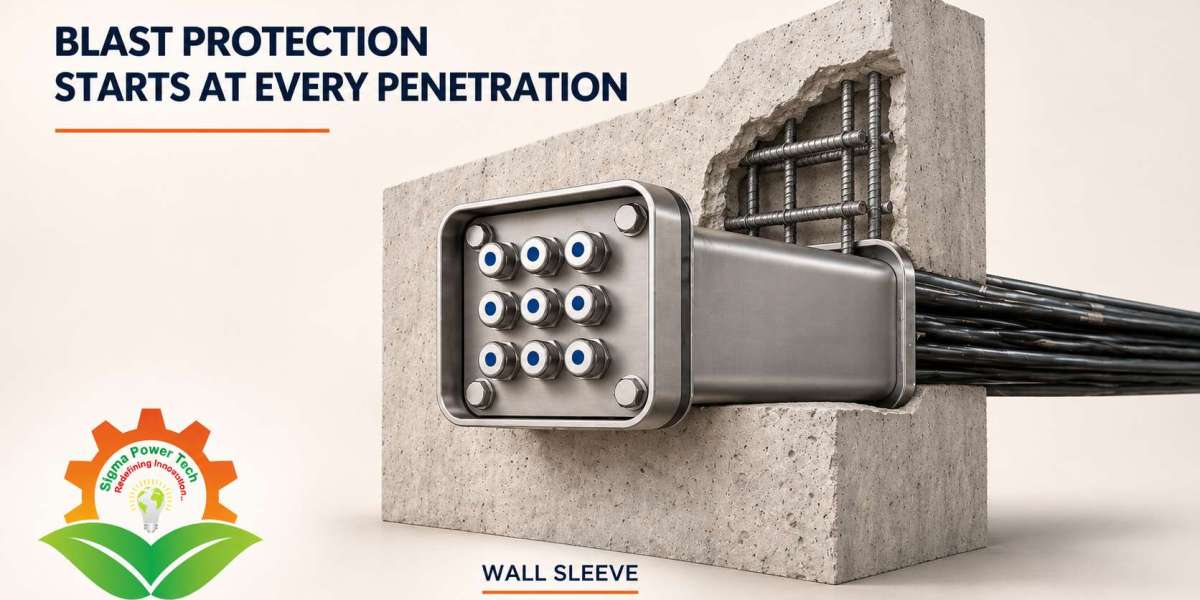
A Blast Protection Sleeve is a specially engineered wall penetration component designed for pipes, ducts, and cables passing through blast-resistant walls. Unlike conventional sleeves used in standard construction, it is built to withstand the intense pressure generated during an explosion while helping maintain the structural performance of the surrounding wall.
An Explosion Protection Sleeve not only supports utility penetrations but also minimizes the risk of pressure leakage and structural failure. This makes it an essential component in facilities where blast resistance is part of the overall safety strategy.
Blast Protection Sleeve vs Standard Sleeve
Although both products allow services to pass through walls, their engineering purpose is completely different.
A standard sleeve is primarily intended to create an opening for utilities during construction. It provides alignment and basic support but is not designed to resist blast loads or sudden pressure changes.
A Blast Resistant Sleeve, on the other hand, is specifically engineered to withstand high-pressure shock waves. It reinforces wall penetrations, distributes blast forces, and helps preserve the integrity of blast-resistant structures. This distinction becomes critical in facilities exposed to explosion hazards, where ordinary sleeves may fail under extreme conditions.
How Does It Work During Explosion Pressure?
An explosion generates an intense pressure wave that reaches structural elements within milliseconds. Wall penetrations often experience concentrated stress because they interrupt the continuity of reinforced concrete.
A Protective Blast Sleeve is designed to absorb and distribute these forces while remaining securely anchored within the wall. Its sealing system helps reduce pressure leakage around pipes and cables, allowing the wall to perform as intended during a blast event.
Without this engineered protection, standard sleeves may deform, crack, or create pathways for pressure and debris to enter protected spaces.
Key Features That Make the Difference
Selecting the right sleeve requires evaluating more than just dimensions.
Structural Strength
Blast sleeves are manufactured using high-grade steel capable of resisting sudden impact loads and dynamic pressure.
Pressure Resistance
Every project requires a sleeve designed for its expected blast rating. A properly engineered Blast Guard Sleeve provides greater reliability under extreme conditions than conventional construction products.
Durable Construction
Industrial facilities often expose equipment to moisture, chemicals, and temperature fluctuations. Corrosion-resistant finishes improve long-term durability and reduce maintenance.
Sealing Performance
Effective sealing prevents pressure leakage and helps maintain the protective function of blast-resistant walls.
Precision Manufacturing
Accurate fabrication, consistent dimensions, and quality welding contribute significantly to long-term performance.
Where are Blast Protection Wall Sleeves Used?
Blast protection wall sleeves are commonly installed in facilities where explosion risks must be carefully managed.
Typical applications include:
Oil and gas processing plants
Petrochemical facilities
Chemical manufacturing units
Defence installations
Ammunition storage facilities
Underground bunkers
Power generation plants
Emergency operations centres
Critical infrastructure projects
These environments require engineered wall penetration systems capable of performing reliably under high-pressure conditions.
Factors Affecting Blast Protection Wall Sleeve Price
The cost of a blast protection wall sleeve depends on several engineering considerations rather than size alone.
Common pricing factors include:
Blast pressure rating
Material grade and thickness
Sleeve dimensions
Protective coatings
Gas-tight or pressure-tight sealing requirements
Manufacturing precision
Custom fabrication
Quality testing and inspection
Although standard sleeves may have a lower purchase price, they are not designed for blast-resistant applications. Choosing the correct solution often delivers better long-term value by reducing maintenance risks and improving overall safety.
How to Choose Blast Proof Wall Sleeve Manufacturers in India
Selecting an experienced manufacturer is just as important as selecting the product itself.
Look for manufacturers that provide:
Expertise in blast protection engineering
In-house manufacturing capabilities
Custom design support
Comprehensive quality assurance
Product testing and inspection
Technical documentation
Installation guidance
Reliable after-sales support
Working with manufacturers that understand blast-resistant construction helps ensure the selected sleeve matches the specific requirements of your facility.
Common Mistakes to Avoid
Many procurement decisions focus primarily on cost, overlooking critical engineering requirements.
Some common mistakes include:
Using standard construction sleeves in blast-resistant walls.
Ignoring project-specific blast pressure ratings.
Overlooking sealing performance.
Selecting products without verifying manufacturing quality.
Choosing suppliers based solely on price.
Failing to inspect wall penetrations during facility upgrades.
Avoiding these mistakes helps improve both structural reliability and long-term operational safety.
Why Engineering Quality Matters
Blast-resistant structures are only as effective as their weakest component. While reinforced walls and blast-resistant doors often receive significant attention, wall penetrations are equally important.
Engineered products such as the Sigma Power Tech Blast Sleeve demonstrate how specialised wall penetration systems can strengthen vulnerable areas, improve structural resilience, and help facilities maintain operational continuity during explosion events.
Build a Safer Facility
Industrial safety should be reviewed regularly as facilities evolve and operational risks change.
Take the time to review your facility's safety setup and evaluate whether existing wall penetrations continue to meet current protection requirements.
If your infrastructure has expanded or new utilities have been installed, consider upgrading your protection systems to strengthen overall resilience.
Engineers and facility managers can also explore more safety insights to stay informed about emerging blast protection technologies and engineering best practices.
Conclusion
The difference between a standard sleeve and a Blast Protection Sleeve may not be visible during installation, but it can have a major impact during an explosion. Standard sleeves serve basic construction purposes, while blast protection sleeves are engineered to withstand pressure, maintain wall integrity, and protect critical infrastructure.
By understanding their differences, evaluating structural performance, and selecting experienced manufacturers, facility owners can make informed decisions that improve safety and reduce long-term risk.
In blast-resistant construction, every component matters. Choosing the right wall sleeve today is an investment in stronger infrastructure, safer operations, and greater resilience when it matters most.